

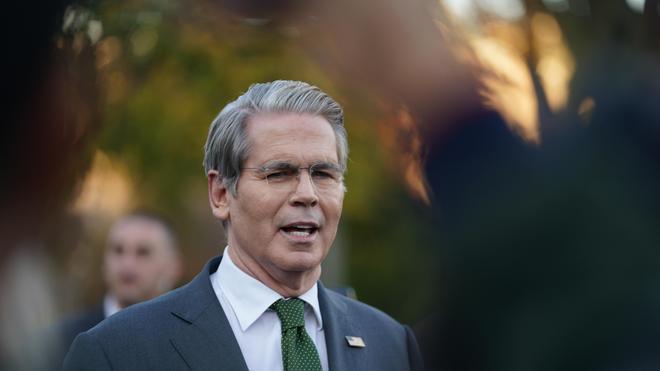
The U.S. Treasury Secretary has sparked fresh controversy after revealing that former President Donald Trump wants a new immigration approach in which skilled overseas workers would be brought into the United States temporarily to train American workers — and then be required to return to their home countries once that training is complete.
Speaking during a policy briefing in Washington, the Treasury Secretary said Trump views this model as a way to boost American competitiveness without offering long-term residency to foreign talent. “The President believes the U.S. should use global expertise strategically — bring in the best workers, let them train Americans, and then send them back home,” the Secretary said.
The remarks immediately ignited debate across the political spectrum. Supporters of Trump’s stance say the plan prioritizes American workers and prevents long-term dependency on foreign labour. They argue that industries such as tech, manufacturing, and advanced engineering could benefit from short-term skills transfer without expanding immigration pathways.
Critics, however, warn that the proposal risks deepening labour shortages, undermining innovation, and sending a hostile message to skilled migrants who contribute significantly to the U.S. economy. Several policy analysts said the approach treats foreign experts as “temporary tools” rather than partners, and could push global talent toward Canada, Europe, and Australia — countries actively competing for skilled workers with permanent residency incentives.
Technology firms and research organisations were also quick to raise concerns. Many said that while skills transfer is important, it cannot replace long-term expertise, especially in fields such as artificial intelligence, biotechnology, cybersecurity, and semiconductor engineering, where global collaboration is essential.
Immigration advocacy groups called the idea “exploitative” and warned that it could violate international labour norms if workers are brought in without fair pathways for advancement.
As U.S. election politics intensify, Trump’s position adds another flashpoint to the broader immigration debate, one already shaped by disputes over border enforcement, work visas, and economic competitiveness. Whether this proposal becomes formal policy will depend on further guidance from Trump’s team — and the political battles still to come.