

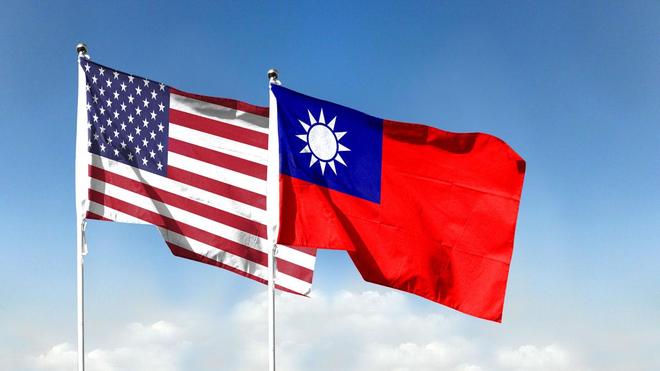
The United States has confirmed the approval of a $700 million sale of an air-defence missile system to Taiwan, a move expected to deepen military cooperation at a time of rising tensions across the Taiwan Strait. The package, cleared through the U.S. State Department, includes advanced interceptor missiles, support equipment, training, and maintenance components aimed at strengthening Taiwan’s ability to defend itself against potential aerial threats.
According to officials in Washington, the sale is part of a long-standing commitment to Taiwan’s self-defence under the Taiwan Relations Act. The system is expected to enhance Taipei’s capacity to track, intercept, and neutralize incoming missiles or hostile aircraft, giving it a technological boost amid growing pressure from Beijing.
Taiwan’s Ministry of National Defense welcomed the announcement, calling it “critical to national security” and noting that the island continues to face “persistent and expanding military challenges” from China, including frequent airspace incursions and large-scale naval drills. The ministry said the new system will integrate with existing defence infrastructure and help modernize Taiwan’s air-defence network.
Beijing reacted sharply, condemning the sale as a violation of its sovereignty and accusing Washington of “fueling instability” in the region. China has repeatedly warned the U.S. against military support for Taiwan, calling such actions provocative and threatening countermeasures.
Security analysts say the timing of the sale is significant, coming as China ramps up military exercises and political messaging ahead of key regional summits. The U.S., meanwhile, has sought to reassure allies and partners in the Indo-Pacific of its strategic commitment despite global crises.
The equipment will be delivered in phases, and U.S. defence officials say training for Taiwanese personnel will begin shortly after procurement is finalized.
As tensions continue to simmer, the $700 million air-defence deal reinforces the deepening U.S.–Taiwan security partnership — and adds another point of friction to Washington’s already strained relationship with Beijing.