

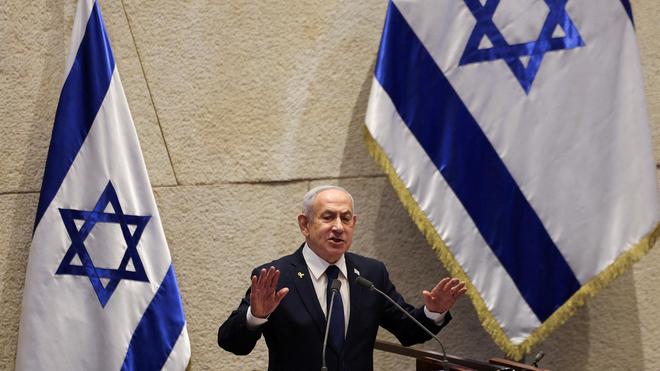
Israeli Prime Minister Benjamin Netanyahu has formally submitted a request for a presidential pardon, a dramatic turn in his long-running corruption trial that has gripped Israel’s political landscape for years. The move comes just weeks after U.S. President Donald Trump publicly urged Israel to pardon Netanyahu, calling him a “strong leader” unfairly targeted by political opponents.
Netanyahu’s legal team filed the request with the office of Israeli President Isaac Herzog, seeking clemency on the grounds of “national stability” and Netanyahu’s long record in public office. If granted, the pardon would immediately halt proceedings across all cases — including charges of bribery, fraud, and breach of trust — which Netanyahu has consistently denied as a “witch hunt.”
The pardon bid has already triggered a fierce political reaction in Israel. Critics say Netanyahu is attempting to escape accountability at a moment when his political future is uncertain. They argue that granting clemency could undermine public confidence in the judicial system and set a precedent that powerful leaders can bypass legal scrutiny.
Supporters, however, claim the request is justified. They point to ongoing security challenges, the war in Gaza, and heightened regional tensions as reasons Israel needs political continuity. Netanyahu’s allies in the Knesset argue a pardon would allow him to focus exclusively on national priorities.
President Herzog has not indicated when he will make a decision. Israeli law gives the president broad clemency powers, but it is rare for an active political figure — especially a sitting prime minister — to request a pardon while a trial is underway. Legal experts say Herzog may seek guidance from senior judges before moving forward.
Trump’s earlier intervention has added an international dimension to the controversy. His public call for Israel to pardon Netanyahu was viewed by many as unusual diplomatic pressure, especially as Netanyahu remains central to Israel’s wartime policymaking.
As the legal and political debate intensifies, Israel faces yet another moment of uncertainty. Whether the pardon is granted or denied, analysts say the decision will carry deep consequences for Israel’s democracy, its judiciary, and the future of one of its most polarizing leaders.