

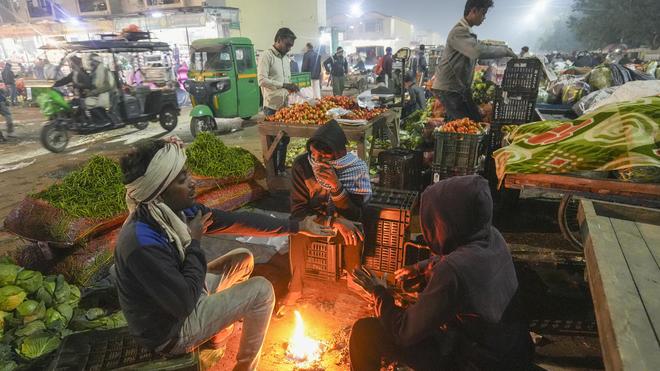
The India Meteorological Department (IMD) has issued an early seasonal outlook warning that several regions across the country may experience more cold wave days than usual this winter, signalling a sharper and more prolonged chill driven by changing atmospheric patterns.
According to IMD scientists, colder-than-normal conditions are likely across parts of northwest, central, and eastern India, with states like Punjab, Haryana, Rajasthan, Uttar Pradesh, Madhya Pradesh, and Bihar expected to see a noticeable rise in cold wave episodes. Preliminary models indicate that shifts in wind circulation, combined with persistent La Niña-like patterns in the Pacific, are likely to intensify night temperatures and extend cold spells.
The agency said that while winter temperatures fluctuate year to year, this season shows a stronger likelihood of frequent and widespread cold wave conditions, especially during late December and January. The chilling trend may also be accompanied by dense fog events in the Indo-Gangetic plains, potentially disrupting transportation and daily life.
IMD officials cautioned that vulnerable populations — including the elderly, children, outdoor workers, and unhoused communities — may face heightened risks, urging state governments to prepare warming shelters and public advisories. Health experts add that prolonged cold spells raise concerns about respiratory illnesses and reduced air quality, as stagnant winter air traps pollutants over major cities.
Farmers may also feel the impact. Extended cold waves can affect winter crops, particularly vegetables and horticulture, with potential implications for yield and market prices. Agricultural officers are advising farmers to monitor local forecasts closely and take preventive steps such as covering vulnerable crops and managing irrigation schedules.
The IMD plans to release more detailed regional forecasts in the coming days, along with cold wave monitoring bulletins as temperatures begin to dip. With climatic variability increasing in recent years, meteorologists say early preparation will be key to reducing health and economic disruptions.