

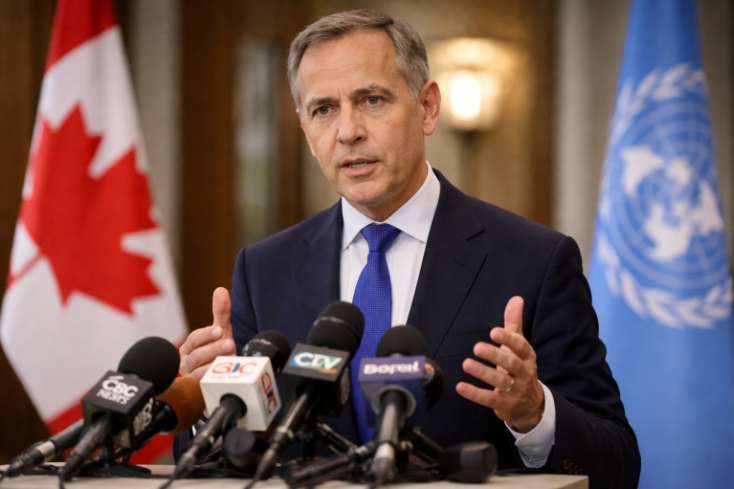
Prime Minister Mark Carney’s recalibration of Canada’s foreign policy, with a sharper focus on trade expansion and national security, is drawing growing scrutiny from diplomats, rights advocates, and opposition parties who warn that human rights risks being sidelined in the process.
Since taking office, Carney has emphasized economic resilience, supply-chain security, energy partnerships, and defence cooperation as central pillars of Canada’s global engagement. His government has actively pursued trade deals, strategic resource agreements, and security partnerships with a range of countries seen as economically or geopolitically significant to Canada’s interests.
However, critics argue that this pragmatic shift may be diluting Canada’s long-standing emphasis on human rights, democratic values, and international accountability. Advocacy groups point to Ottawa’s warmer engagement with countries facing allegations of rights abuses, saying economic and security priorities now appear to outweigh principled diplomacy.
Government officials reject that assessment, insisting Canada has not abandoned its values. They say the new approach reflects a more “realistic and effective” foreign policy that recognizes today’s fragmented global order. “Promoting prosperity and protecting Canadians does not mean ignoring human rights,” one senior official said, adding that Ottawa continues to raise rights issues through diplomatic channels rather than public confrontation.
Still, questions persist. Canada’s deeper trade engagement with countries facing criticism over press freedom, political repression, or conflict-related abuses has prompted calls for clearer safeguards and transparency. Opposition MPs have asked whether human rights assessments are being conducted alongside new trade and security agreements, and whether Canada is using its leverage to press for reforms.
Foreign policy analysts say the tension reflects a broader global trend, as middle powers navigate an increasingly competitive world where economic security and geopolitical alignment often clash with values-based diplomacy. They note that Carney’s background in finance and global institutions has shaped a policy lens that prioritizes stability and market access.
As Canada prepares for upcoming international summits and trade negotiations, the debate is expected to intensify. Whether the Carney government can convincingly balance economic ambition with its human rights commitments may define the credibility of Canada’s foreign policy in the years ahead.