

Opening Summary
A large-scale federal immigration enforcement surge in Minnesota, United States, is being brought to an end, according to a senior official from the Trump administration. The announcement concerns operations concentrated in the Minneapolis–Saint Paul metropolitan area and follows weeks of political opposition and public criticism. The decision matters beyond Minnesota because it reflects broader shifts and tensions in U.S. immigration enforcement that can affect Canada–U.S. border cooperation and regional migration policy.
Background and Context
The immigration enforcement surge in Minnesota was launched by the U.S. federal government as part of a wider national push to intensify interior immigration enforcement. The operation involved a significant deployment of federal personnel, including immigration enforcement officers assigned temporarily from other states.
Federal authorities said the objective of the surge was to locate and detain individuals living in the United States without legal authorization, with an emphasis on those considered public safety risks. Minnesota was selected in part because of its large urban population and the presence of local and state policies that limit cooperation with federal immigration agencies.
State and municipal leaders in Minnesota have long supported policies designed to separate local policing from federal immigration enforcement. Officials argue that these policies help maintain trust between immigrant communities and local law enforcement, encouraging residents to report crimes and cooperate with investigations without fear of immigration consequences.
The surge quickly became a source of tension between federal authorities and Minnesota’s state and city governments. Local leaders said they were not adequately consulted before the deployment and raised concerns about the impact on community safety and civil liberties.
The enforcement effort unfolded amid an already polarized national debate on immigration in the United States. Immigration policy has remained a central political issue, with sharp disagreements between federal authorities and several Democratic-led states and cities over enforcement priorities and methods.https://newsbee.ca/2026/02/11/nine-killed-in-canada-mass-shooting-as-pm-carney-responds/
Latest Developments
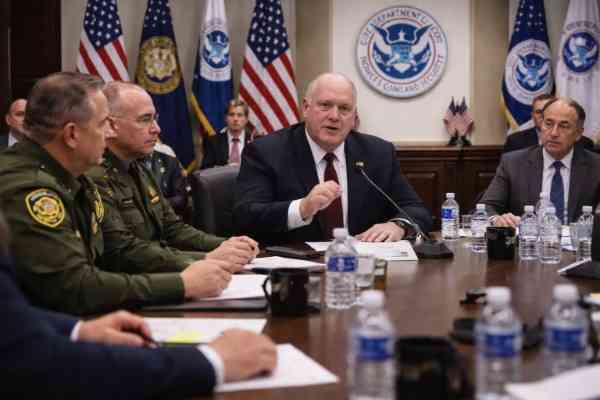
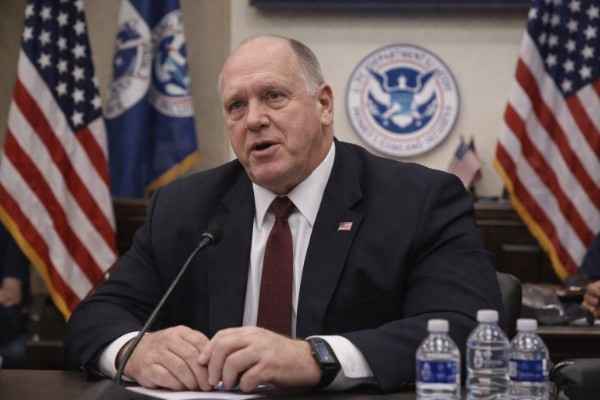
The Trump administration’s border enforcement official, Tom Homan, said the immigration enforcement surge in Minnesota is now being scaled back and is expected to conclude. He stated that the recommendation to end the surge was approved by President Donald Trump.
According to Homan, federal agents who were temporarily assigned to Minnesota are being withdrawn and returned to their regular duty stations. He said the drawdown process has already begun and will continue over the coming days.
Federal officials said that while the surge phase is ending, immigration enforcement activity in Minnesota will continue under standard federal procedures. Some federal personnel are expected to remain in the state to complete ongoing cases and coordinate with county detention facilities.
Minnesota state officials acknowledged the reduction in federal presence but said they would continue to closely monitor enforcement actions. State leaders have previously argued that the surge disrupted daily life in some neighbourhoods and created fear among immigrant residents, including those with legal status.
City officials in Minneapolis and Saint Paul have said that while the drawdown may reduce tensions, rebuilding trust within affected communities will take time. They emphasized that local police departments would continue to focus on public safety rather than immigration enforcement.
Federal authorities said coordination with county jails and law enforcement agencies would remain in place through existing legal agreements, allowing federal officials to take custody of detainees without large-scale street-level operations.
Why This Matters
The decision to end the immigration enforcement surge in Minnesota is significant because it underscores the challenges of implementing aggressive federal enforcement strategies in states that oppose them. The operation highlighted ongoing friction between federal authority and state and local governments in the United States.
For Canada, developments in U.S. immigration enforcement are closely watched due to the shared border and long-standing bilateral cooperation on migration and security. Changes in U.S. enforcement practices can influence cross-border migration patterns, asylum claims, and coordination between Canadian and U.S. authorities.
Canada and the United States work together on border management, information sharing, and efforts to combat human smuggling. Shifts in U.S. enforcement priorities, particularly in northern border states such as Minnesota, can affect how resources are allocated and how cross-border issues are managed.
Domestically, the Minnesota case has become part of a broader debate over the effectiveness of enforcement-heavy approaches to immigration. Critics argue that large federal surges can strain resources, disrupt communities, and lead to legal challenges without delivering long-term results.
Supporters of strict enforcement contend that visible federal action reinforces immigration laws and deters unauthorized migration. The decision to scale back the Minnesota operation may be cited by both sides in future policy debates.
The situation also raises questions about community relations and public trust. Local officials have said fear generated during the surge may discourage cooperation with police, potentially affecting crime reporting and public safety outcomes.
What Happens Next
Federal authorities are expected to complete the withdrawal of additional agents from Minnesota in the near term. While no specific end date has been provided, officials have said the surge phase is effectively over.
Legal and political consequences may continue even after the drawdown. Minnesota state officials and city governments have previously indicated that they would pursue legal review of certain aspects of the operation. Any court decisions could influence how similar enforcement actions are carried out in other states.
At the federal level, the Trump administration has not announced broader changes to its national immigration enforcement strategy. Officials have said that enforcement will continue across the country, with priorities determined by federal agencies rather than state governments.
Minnesota leaders are expected to assess the impact of the surge on local communities, public services, and law enforcement operations. Some officials have suggested reviewing policies related to cooperation with federal immigration authorities to prevent similar disputes in the future.
For Canada and other U.S. partners, attention will remain on whether the end of the Minnesota surge signals a shift in enforcement tactics or is limited to this specific case.
Conclusion
The winding down of the federal immigration enforcement surge in Minnesota marks a notable development in U.S. immigration policy implementation. Approved by President Donald Trump and announced by border enforcement officials, the decision follows weeks of political pressure and public debate.
While standard immigration enforcement will continue, the withdrawal of additional federal agents reflects the complexities of balancing federal authority, state opposition, and community impact. The outcome in Minnesota is likely to inform future discussions on immigration enforcement both within the United States and in cross-border contexts involving Canada.
Suggested internal link anchor texts:
- How U.S. immigration policy affects Canada
- Minnesota and federal–state immigration disputes
- Canada–U.S. border security cooperation explained