

Opening Summary
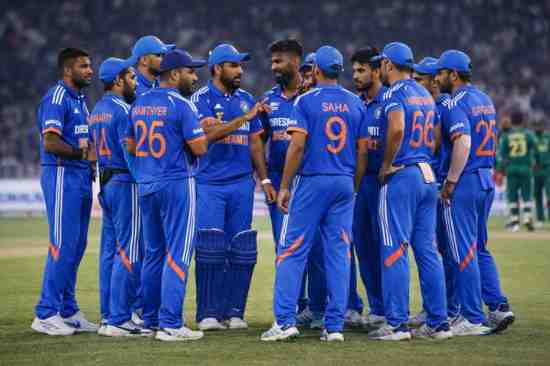
India defeated Pakistan by 61 runs in a one-sided match at the 2026 ICC Men’s T20 World Cup in Colombo, Sri Lanka, extending its head-to-head tournament record against Pakistan to 8–1. The match was played in front of a packed crowd and global television audience, underscoring the continued intensity and international significance of cricket’s most watched rivalry. The result strengthens India’s position in the tournament and adds another decisive chapter to the India–Pakistan cricket record.
Background and Context
Matches between India and Pakistan carry significance beyond sport, drawing attention from millions of fans worldwide. Encounters between the two sides at global tournaments often shape narratives of dominance, momentum, and psychological advantage.
At the T20 World Cup level, India has historically held the upper hand over Pakistan. Prior to the Colombo match, India led the overall T20 World Cup head-to-head record, with Pakistan having managed only a single win in the tournament’s history.
The 2026 T20 World Cup, hosted across Sri Lanka and other regional venues, brought renewed focus to the rivalry as both teams entered the tournament with strong squads and high expectations. Colombo, a neutral venue, was selected to host the fixture due to security considerations and logistical planning, as bilateral series between the two nations remain suspended.
India entered the match with a settled lineup and recent strong performances in ICC tournaments. Pakistan, meanwhile, was looking to reset its T20 World Cup fortunes and narrow the historical gap against its rivals.
Latest Developments
Batting first in Colombo, India posted a competitive total after a disciplined and controlled batting performance. Indian batters built the innings steadily, avoiding collapses and accelerating in the latter overs to put pressure on Pakistan.
In response, Pakistan struggled from the early stages of the chase. Indian bowlers maintained tight lines and lengths, limiting scoring opportunities and forcing errors. Regular wickets prevented Pakistan from building any sustained partnerships.
Pakistan was eventually bowled out or restricted well short of the target, resulting in a 61-run defeat. The margin of victory reflected India’s dominance across all phases of the match, including batting depth, bowling discipline, and fielding efficiency.
With this win, India extended its T20 World Cup head-to-head record against Pakistan to 8–1, reinforcing its consistent superiority in the tournament format.
.Match officials confirmed there were no injuries or disciplinary issues during the game. The result was one of the most decisive victories between the two sides in T20 World Cup history.https://newsbee.ca/2026/02/12/minnesota-immigration-enforcement-surge-is-ending-trump-border-official-says/
Why This Matters
The result carries major sporting and psychological significance. India’s emphatic win strengthens its position as a leading contender in the 2026 T20 World Cup and boosts confidence within the squad as the tournament progresses.
For Pakistan, the defeat raises questions about performance under pressure in high-profile matches. Despite possessing experienced players and match-winners, Pakistan has continued to struggle against India in ICC tournaments, particularly in knockout-style or high-stakes group matches.
From a global cricket perspective, India–Pakistan matches are among the most commercially valuable fixtures in the sport. A one-sided result may shift competitive expectations, but it does not diminish fan interest, which remains strong regardless of outcomes.
The match also highlights India’s consistency in white-ball cricket at major tournaments. Strong preparation, squad depth, and tactical clarity have allowed India to maintain an edge over traditional rivals.
For neutral venues like Sri Lanka, hosting such high-profile matches reinforces the country’s role in international cricket events, bringing economic and sporting benefits through tourism, broadcasting, and global exposure.
What Happens Next
India is expected to carry momentum from the win into its remaining group-stage matches. Tournament analysts will now view India as one of the teams to beat, particularly given its balanced performance against a major rival.
Pakistan faces pressure to regroup quickly. With the tournament format allowing limited margin for error, upcoming matches will be critical for qualification and restoring confidence.
Team management and selectors are likely to review combinations and strategies, particularly Pakistan’s batting approach and bowling execution under pressure.
As the 2026 T20 World Cup continues, attention will remain on whether India can convert dominant group-stage performances into success in the knockout rounds, an area that has drawn scrutiny in past tournaments.
Future India–Pakistan encounters at ICC events are inevitable, and this result will shape expectations and narratives when the teams meet again.
Conclusion
India’s 61-run victory over Pakistan in Colombo at the 2026 T20 World Cup was a clear and commanding performance that extended its tournament head-to-head record to 8–1. The win reinforced India’s dominance in one of cricket’s most intense rivalries and strengthened its standing in the competition.
As the tournament progresses, the match will be remembered as a defining group-stage moment, highlighting the gap in execution on the day and setting the tone for both teams’ World Cup campaigns.
Suggested internal link anchor texts:
- India vs Pakistan rivalry in ICC tournaments
- 2026 ICC Men’s T20 World Cup match results
- How T20 World Cup group standings work