
Opening Summary
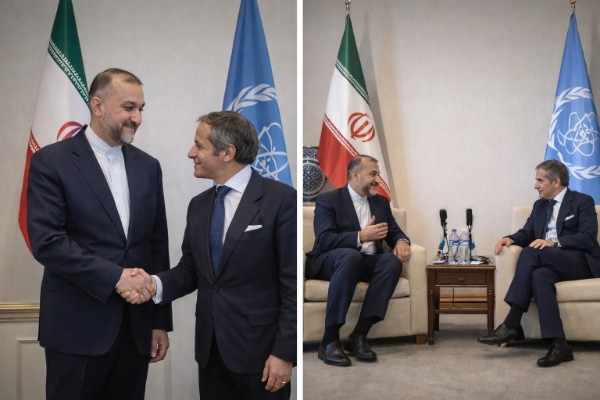
Iran’s foreign minister met the head of the UN nuclear watchdog ahead of upcoming nuclear negotiations, signalling renewed diplomatic engagement over Tehran’s nuclear programme. The meeting took place in Geneva, Switzerland, as Iran prepares for indirect talks with the United States. The development matters internationally because it could shape the future of sanctions, nuclear monitoring, and regional security in the Middle East.
Background and Context
Iran’s nuclear programme has remained under close international scrutiny for years, particularly over uranium enrichment and inspection access. The issue has been a central point of tension between Iran and Western powers, including the United States and European countries.
A landmark nuclear agreement reached in 2015 placed limits on Iran’s nuclear activities in exchange for sanctions relief. That deal later collapsed, leading to the reimposition of sanctions and a gradual expansion of Iran’s nuclear work beyond earlier limits.
Since then, multiple attempts to revive negotiations have stalled due to disagreements over sanctions removal, verification standards, and the scope of nuclear restrictions. Iran maintains that its programme is peaceful, while Western countries insist on strict monitoring.
The International Atomic Energy Agency plays a central role in verifying Iran’s nuclear activities. Its reports and inspections are critical to building trust in any potential agreement.
Latest Developments
Iran’s Foreign Minister Abbas Araghchi met with Rafael Grossi, the head of the International Atomic Energy Agency, for discussions focused on nuclear oversight and cooperation.
The meeting addressed technical and procedural issues related to inspections and monitoring of Iran’s nuclear facilities. Iranian officials described the talks as part of broader diplomatic efforts ahead of planned indirect negotiations with the United States.
Grossi has repeatedly stressed the importance of transparency and access for inspectors to ensure credible oversight. Iranian officials, meanwhile, have called for recognition of Iran’s rights under international agreements and relief from economic sanctions.
No detailed outcomes were publicly announced following the meeting, and both sides indicated that discussions would continue through diplomatic channels.
Why This Matters
The meeting is significant because the IAEA’s role is essential to any future nuclear agreement involving Iran. Without effective monitoring and verification, progress in negotiations is unlikely.
For the international community, including Canada and its allies, the outcome of Iran’s nuclear talks affects global non-proliferation efforts and stability in the Middle East. Escalation could raise security risks and affect global energy markets.
Sanctions tied to Iran’s nuclear programme also have wider economic implications. Any movement toward an agreement could ease pressure on global trade and energy supply, while a breakdown could reinforce existing tensions.
The talks also demonstrate that diplomacy remains active despite wider geopolitical conflicts and strained relations between Iran and Western countries.
What Happens Next
Indirect negotiations between Iran and the United States are expected to proceed following the Geneva meeting. Discussions are likely to focus on enrichment limits, inspection frameworks, and the sequencing of sanctions relief.
The IAEA is expected to continue technical engagement with Iranian officials, with future reports likely to influence the direction of negotiations.
Diplomatic efforts may involve regional mediators and international partners as talks continue. Officials on all sides have cautioned that major differences remain and that progress may be gradual.
Conclusion
Iran’s foreign minister meeting with the IAEA chief ahead of nuclear negotiations highlights renewed diplomatic engagement on a long-running international issue. While no immediate breakthroughs were announced, the talks underline the central role of nuclear oversight and dialogue.
As negotiations move forward, cooperation between Iran and the IAEA will remain a key factor shaping the prospects for reducing tensions and reaching a sustainable nuclear agreement.
Suggested internal link anchor texts:
- Iran nuclear deal explained
- Role of the IAEA in global nuclear oversight
- How sanctions affect global energy markets