

Opening Summary
Turkey’s President Recep Tayyip Erdoğan has rejected Israel’s reported recognition of Somaliland, calling the move unacceptable and a violation of Somalia’s territorial integrity. The comments were made as tensions grow over diplomatic recognition in the Horn of Africa. The issue matters internationally because it affects regional stability, Middle East–Africa relations, and the principle of sovereignty recognised by the United Nations.
Background and Context
Somaliland declared independence from Somalia in 1991 following the collapse of Somalia’s central government. Despite operating with its own government, security forces, and elections, Somaliland has not been formally recognised as an independent state by the international community.
Turkey has long supported Somalia’s territorial integrity and is one of Mogadishu’s closest international partners. Ankara has invested heavily in Somalia through humanitarian aid, infrastructure projects, military training, and diplomatic engagement. Turkey also maintains a military presence in Somalia as part of its support for the federal government.
Israel’s reported move to recognise Somaliland would represent a significant shift in regional diplomacy. Recognition of breakaway regions is highly sensitive, particularly in Africa, where borders are generally upheld to prevent instability and secessionist conflicts.
Somalia’s federal government has consistently opposed any international recognition of Somaliland, arguing that such actions undermine sovereignty and could fuel further fragmentation in the region.
Latest Developments
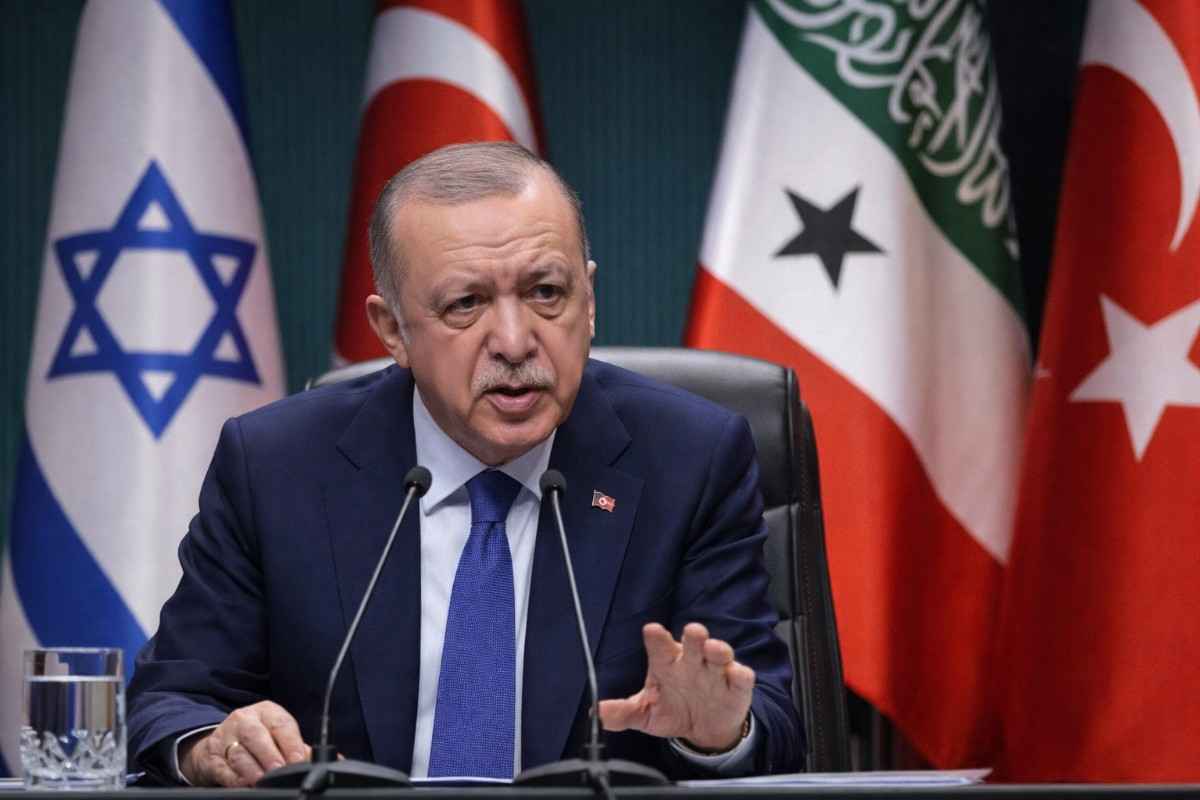
President Erdoğan said Turkey does not accept Israel’s recognition of Somaliland and reaffirmed Ankara’s support for Somalia’s unity. He stated that Somalia’s territorial integrity is non-negotiable and must be respected under international law.
Turkish officials said Ankara remains committed to working with Somalia’s internationally recognised government and will continue diplomatic efforts to prevent actions that could destabilise the region.
Israel has not publicly responded to Erdoğan’s remarks. Details surrounding the scope and form of Israel’s recognition of Somaliland have also not been fully clarified by Israeli authorities.
Somalia’s government has expressed strong opposition to any recognition of Somaliland and has warned that such moves could harm regional peace and security. Officials in Mogadishu have urged international partners to respect existing borders.
Why This Matters
The issue has implications far beyond Somalia and Somaliland. Recognition of Somaliland by a country such as Israel could encourage other states to reconsider their positions, potentially reshaping diplomatic alignments in the Horn of Africa.
For Turkey, the matter is tied to its broader foreign policy in Africa and the Middle East. Ankara has positioned itself as a defender of territorial integrity and state sovereignty, particularly in Muslim-majority countries.
The dispute also highlights growing competition for influence in Africa, where Middle Eastern powers have expanded diplomatic, economic, and security engagement in recent years.
From an international law perspective, unilateral recognition of breakaway regions remains controversial and is often viewed as a precedent that could encourage similar movements elsewhere.
What Happens Next
Diplomatic reactions are expected to continue as Somalia seeks international backing to oppose recognition of Somaliland. Turkey is likely to raise the issue in regional and international forums.
Other countries may clarify their positions as pressure builds to either support Somalia’s stance or reassess relations with Somaliland.
The situation may also affect broader Middle East–Africa relations, particularly if recognition leads to new political or security partnerships in the region.
Conclusion
President Erdoğan’s rejection of Israel’s recognition of Somaliland underscores Turkey’s firm support for Somalia’s territorial integrity and highlights growing diplomatic tensions over the issue. As reactions continue, the development could have lasting consequences for regional stability, international recognition norms, and geopolitical influence in the Horn of Africa.