

Opening Summary
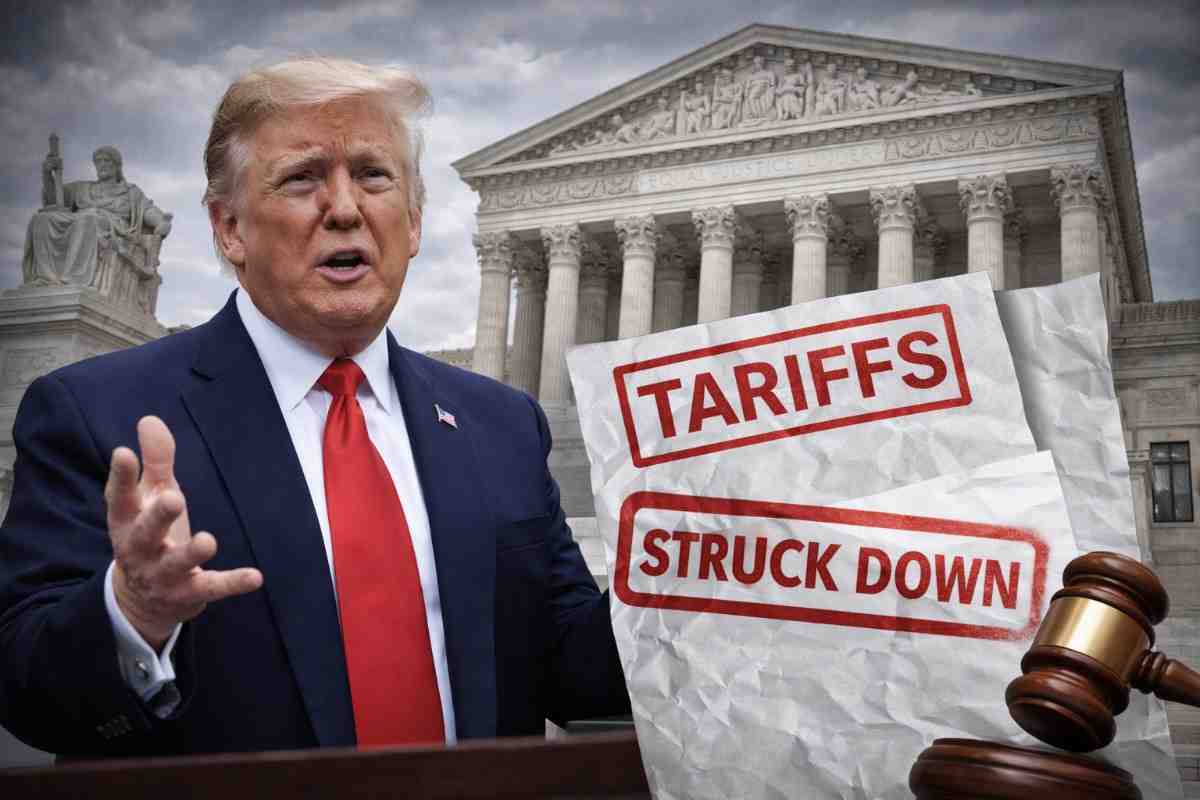
The United States Supreme Court has struck down sweeping global tariffs imposed under former President Trump, ruling that the measures exceeded presidential authority. The decision was delivered in Washington and has immediate implications for U.S. trade policy, global markets, and relations with key trading partners, including Canada. The ruling matters internationally as it limits executive power over tariffs and reshapes the future of U.S. trade enforcement.
Background and Context
During his presidency, Donald Trump imposed wide-ranging tariffs on imports from multiple countries, citing national security and unfair trade practices. The measures affected steel, aluminum, and a broad range of manufactured goods, triggering retaliatory tariffs from trading partners.
Canada was among the countries impacted by the tariffs, particularly in the steel and aluminum sectors. Ottawa responded with countermeasures and repeatedly challenged the justification for the duties, arguing they harmed integrated North American supply chains.
Trump relied on existing trade laws that allow the president to impose tariffs under specific conditions. Critics, including businesses and lawmakers, argued that these powers were used too broadly and without sufficient congressional oversight.
Legal challenges to the tariffs moved through lower courts, with opponents claiming the measures bypassed Congress’s constitutional authority over trade and taxation.
Latest Developments
The Supreme Court ruled that the global tariffs imposed by the Trump administration were unlawful, concluding that the president exceeded the authority granted under existing trade statutes.
In its decision, the court said the scope and scale of the tariffs went beyond what Congress had intended when it delegated limited trade powers to the executive branch. The ruling effectively invalidates the tariff framework used to justify broad import duties.
The court did not question Congress’s ability to authorize tariffs but emphasized that such actions must clearly align with legislative intent. The decision limits the ability of future presidents to impose sweeping trade measures without explicit approval from lawmakers.
U.S. government agencies are now expected to unwind or formally terminate tariff measures affected by the ruling. It remains unclear how quickly changes will be implemented or whether some duties will be replaced through new legislation.
Why This Matters
The ruling has major implications for global trade and economic stability. Tariffs imposed by the Trump administration disrupted supply chains, raised costs for manufacturers, and contributed to trade tensions worldwide.
For Canada, the decision is significant because it reinforces limits on unilateral U.S. trade actions that directly affect Canadian exporters. Canada and the U.S. share deeply integrated industries, particularly in manufacturing and natural resources.
The decision also strengthens the role of Congress in shaping U.S. trade policy. By curbing executive authority, the court has clarified that long-term or large-scale tariff regimes require legislative backing.
Internationally, the ruling may reassure trading partners that future U.S. trade measures will be subject to stronger legal constraints, reducing uncertainty for businesses and governments.https://newsbee.ca/2026/02/19/trump-says-7-billion-raised-for-gaza-at-first-board-of-peace-meeting/
From a political perspective, the decision could influence trade policy debates in future U.S. administrations, particularly those considering aggressive tariff strategies.
What Happens Next
U.S. trade officials will review existing tariff programs affected by the ruling and determine how to comply with the court’s decision. Some tariffs may be lifted, while others could be reintroduced through new legislation.
Congress may face pressure to clarify or revise trade laws that grant tariff authority to the president. Lawmakers could seek to tighten or redefine the conditions under which tariffs can be imposed.
Canada and other trading partners are expected to monitor implementation closely, particularly for sectors that were heavily impacted by the tariffs.
Legal experts say the ruling could also open the door for businesses to seek refunds or compensation related to tariffs collected under the invalidated framework.
Conclusion
The U.S. Supreme Court’s decision to strike down Donald Trump’s sweeping global tariffs marks a turning point in American trade policy. By reinforcing constitutional limits on presidential authority, the ruling reshapes how the United States can use tariffs as a policy tool.
For Canada and the global trading system, the decision offers greater legal clarity and may reduce the risk of sudden, unilateral trade actions in the future.