

Opening Summary
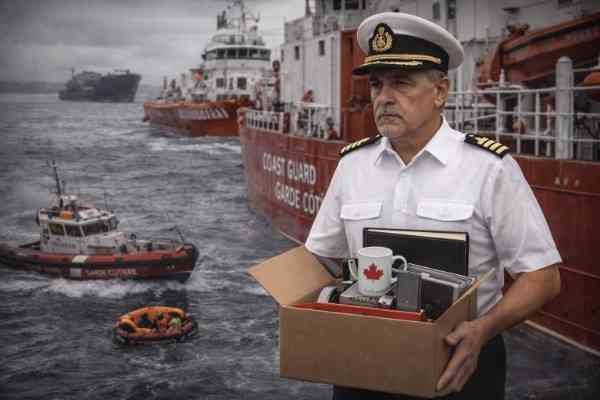
A Canadian Coast Guard captain was dismissed after a labour board determined that he willfully ignored a distress call while on duty. The ruling, issued by a federal labour board in Canada, upheld the decision to terminate the captain’s employment. The case matters nationally because it highlights the strict obligations of maritime safety officials to respond to emergency calls at sea.
Background and Context
The Canadian Coast Guard is responsible for maritime search and rescue operations, navigation safety, and environmental protection across Canada’s extensive coastline and waterways. Officers and crew members are trained to respond immediately to distress calls from vessels or individuals in danger.
Under maritime safety regulations, distress signals require urgent action because delays can endanger lives. Coast Guard personnel operate under strict operational protocols that require timely response and coordination with other rescue agencies.
Failure to respond to distress calls is considered a serious breach of professional duty. Maritime authorities rely on rapid responses to ensure the safety of fishermen, commercial shipping crews, and recreational boaters operating in Canadian waters.
The case involving the captain raised questions about accountability and adherence to safety procedures within Canada’s search and rescue system.
Latest Developments
A federal labour board reviewed the dismissal of the Coast Guard captain after he challenged the decision through a workplace grievance process.
In its ruling, the board concluded that the captain had willfully ignored a distress call while on duty. The decision determined that the failure to act constituted a serious violation of professional responsibilities.
The board upheld the employer’s decision to terminate the captain, stating that the actions undermined the core mission of the Coast Guard’s search and rescue mandate.
Officials noted that responding to distress signals is one of the most critical duties of maritime personnel and that any intentional failure to respond cannot be tolerated within the organization.
Why This Matters
The ruling reinforces the importance of accountability in Canada’s maritime safety system. Coast Guard crews play a crucial role in protecting lives at sea, and their actions are closely tied to public trust.
For maritime communities, including fishermen and commercial shipping operators, rapid search and rescue responses are essential for safety. Any lapse in responding to distress calls could have life-threatening consequences.
The decision also sends a message about workplace standards in emergency services. Personnel responsible for public safety must follow strict protocols, and violations can lead to severe disciplinary consequences.
From a policy perspective, the case highlights the importance of maintaining clear operational procedures and oversight in organizations responsible for emergency response.
What Happens Next
Following the labour board’s decision, the captain’s dismissal remains in effect. The ruling may serve as a precedent in similar cases involving professional misconduct in safety-critical roles.
The Canadian Coast Guard may continue reviewing internal procedures to ensure that distress calls are handled quickly and efficiently.
Training and operational protocols may also be emphasized further to prevent similar incidents in the future.
Maritime authorities will continue monitoring compliance with search and rescue standards to maintain confidence in Canada’s emergency response system.
Conclusion
The labour board’s ruling that a Canadian Coast Guard captain willfully ignored a distress call underscores the seriousness of safety obligations in maritime operations. By upholding the dismissal, the board reinforced the expectation that emergency responders must act immediately when lives may be at risk.
The case highlights the importance of strict accountability in organizations tasked with protecting public safety at sea.