
Opening Summary
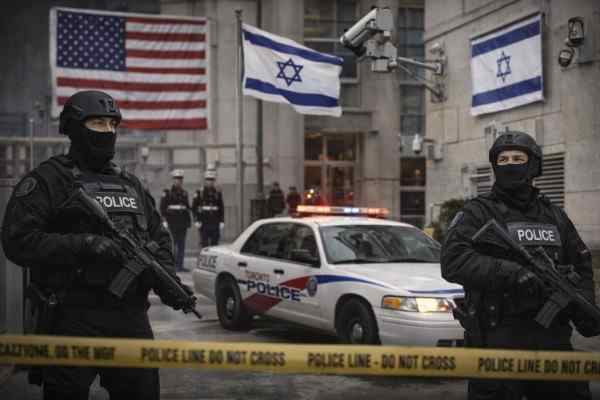
Canadian authorities have increased security around United States and Israeli diplomatic buildings across the country following a shooting incident at a consulate. The move was announced by federal officials as a precautionary measure to protect diplomatic staff and facilities. The decision matters nationally because diplomatic missions are protected under international law and are considered sensitive security locations.
Background and Context
Diplomatic missions, including embassies and consulates, are protected under the Vienna Convention on Diplomatic Relations, which requires host countries to ensure the safety and security of foreign diplomatic staff and properties.
Canada hosts multiple diplomatic facilities for both the United States and Israel in cities such as Ottawa, Toronto, Vancouver, and Montreal. These sites often receive heightened security during periods of international tension or after incidents targeting diplomatic staff.
In recent months, global tensions related to conflicts in the Middle East have increased security concerns around Israeli and allied diplomatic buildings worldwide. Governments frequently review and strengthen protection measures in response to potential threats or attacks.
Canadian law enforcement agencies regularly coordinate with federal security services and local police forces to ensure that diplomatic sites remain secure.
Latest Developments
Following the consulate shooting, Canadian officials confirmed that security has been increased at diplomatic buildings associated with both the United States and Israel.
Additional police patrols have been deployed around embassies and consulates in major cities. Authorities are also reviewing security procedures and coordinating with diplomatic representatives to ensure appropriate protection measures are in place.
Officials said the increased security is precautionary and aimed at preventing any potential threats against diplomatic staff or facilities.
Law enforcement agencies have not reported any direct threats in Canada connected to the shooting, but they emphasized that diplomatic sites are considered high-priority locations for protection.
Why This Matters
Diplomatic missions represent foreign governments and play a critical role in international relations. Ensuring their safety is both a legal obligation and a key element of maintaining diplomatic cooperation.
For Canada, protecting diplomatic buildings is essential to maintaining its reputation as a secure host country for international missions.
The decision also reflects broader global concerns about the safety of diplomatic staff during periods of geopolitical tension. Incidents targeting diplomatic facilities can escalate international disputes and disrupt diplomatic engagement.
The enhanced security measures may also reassure foreign governments and diplomatic personnel that Canada is taking proactive steps to prevent potential threats.
What Happens Next
Canadian authorities are expected to maintain increased security around U.S. and Israeli diplomatic buildings while monitoring the broader security environment.
Law enforcement agencies will continue working with federal security services and diplomatic representatives to assess risks and adjust protection levels if necessary.
Security reviews may also be conducted to ensure that existing procedures and infrastructure are adequate to protect diplomatic missions.
Officials say they will continue monitoring developments related to the consulate shooting and respond accordingly if new information emerges.
Conclusion
Canada’s decision to increase security around U.S. and Israeli diplomatic buildings follows a consulate shooting that raised concerns about the safety of diplomatic missions. While authorities say the measures are precautionary, the move underscores the importance of protecting foreign representatives and maintaining secure diplomatic relations.
As investigations into the shooting continue, Canadian officials remain focused on ensuring that diplomatic staff and facilities across the country remain protected.