
Opening Summary
Iran’s new Supreme Leader Mojtaba Khamenei has vowed to continue blocking the Strait of Hormuz in his first official statement since taking power. The message was broadcast on Iranian state television amid the ongoing conflict involving Iran, the United States, and Israel. The announcement matters globally because the Strait of Hormuz is a key route for international oil shipments and any disruption could affect global energy supplies.
Background and Context
The leadership change in Iran followed the death of former Supreme Leader Ali Khamenei during the early stages of the ongoing war involving Iran, the United States, and Israel in 2026.
Shortly after his death, Iran’s Assembly of Experts selected Mojtaba Khamenei as the country’s new supreme leader. His appointment came during one of the most volatile periods in recent Middle East history, as military strikes and retaliatory attacks continued across the region.
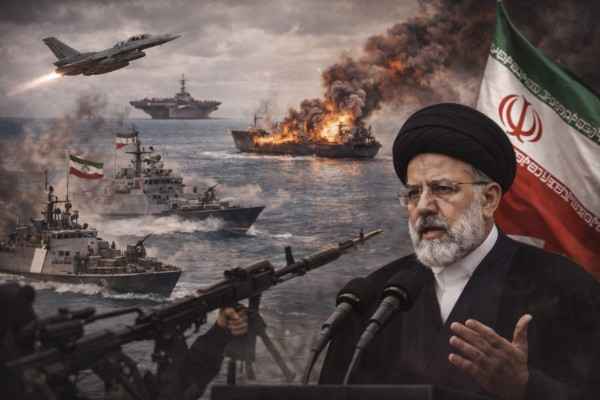
At the centre of the crisis is the Strait of Hormuz, a narrow shipping route between the Persian Gulf and the Gulf of Oman. The waterway is considered one of the most strategically important energy corridors in the world because roughly one-fifth of global oil supply normally passes through it.
Since the outbreak of the conflict, Iran has warned that it could close the strait to ships linked to the United States and its allies. Shipping companies and energy markets have closely monitored the situation because any blockade could disrupt global energy supply chains.
Latest Developments
In a statement attributed to Mojtaba Khamenei and broadcast by Iranian state television, the new leader vowed that Iran would continue to use the closure of the Strait of Hormuz as leverage against its adversaries.
The statement declared that Iran would maintain what it described as “effective defence measures” until its enemies face consequences for military actions against the country. Khamenei also called for the closure of U.S. military bases in neighbouring countries, warning that Iran would continue targeting those facilities if they were used in attacks against Iranian territory.
The message was read by a television presenter rather than delivered directly by Khamenei, and no images of the new leader have been publicly released since he assumed power. The absence of a video appearance has fueled speculation about his location and security situation.
The statement also emphasized revenge for those killed during the conflict and signalled that Iran intends to continue military operations until it achieves what it considers strategic objectives.
Why This Matters
The threat to keep the Strait of Hormuz blocked has major global implications. The waterway is essential for oil shipments from Gulf producers including Saudi Arabia, Kuwait, Iraq, and the United Arab Emirates.
Any sustained disruption could sharply increase global oil prices and affect energy markets worldwide. Analysts have already warned that prolonged closure of the strait could trigger significant economic consequences for many countries dependent on Middle Eastern energy supplies.
For countries such as Canada and European nations, rising oil prices and supply disruptions could contribute to inflation and broader economic uncertainty.
The statement also indicates that Iran’s new leadership intends to maintain a confrontational stance toward the United States and its allies, raising concerns that the conflict could expand further across the Middle East.
What Happens Next
Military and diplomatic developments are expected to continue rapidly as the conflict evolves. The United States and its allies are likely to monitor shipping routes and energy infrastructure closely in response to Iran’s threats.
International organizations and major powers may push for diplomatic efforts aimed at reopening shipping routes and preventing further escalation.
Meanwhile, shipping companies and energy traders will continue assessing the security risks in the region before sending vessels through the Strait of Hormuz.
Conclusion
Mojtaba Khamenei’s first statement as Iran’s supreme leader signals that Tehran intends to maintain pressure on its adversaries by keeping the Strait of Hormuz blocked. The declaration highlights the strategic importance of the waterway and the high stakes of the ongoing regional conflict.
As the crisis continues, the future of global energy supply and regional stability will depend heavily on how the situation around the Strait of Hormuz develops in the coming weeks.