

Opening Summary
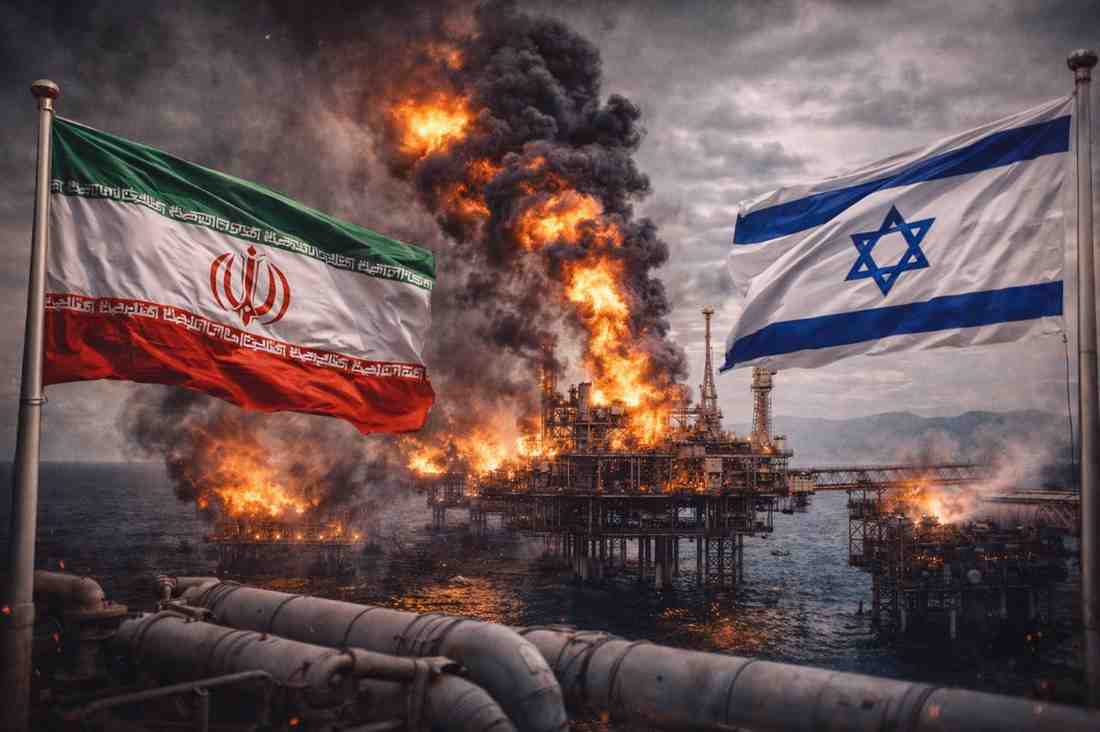
Iran has vowed retaliation after reports that Israel carried out strikes on a major gas field inside Iranian territory. The attack reportedly targeted the South Pars gas field, one of the world’s largest natural gas reserves. The development marks a significant escalation in the ongoing conflict and matters globally due to its potential impact on energy supplies and regional stability.
Background and Context
The conflict involving Iran, Israel, and the United States has intensified in recent weeks following a series of military strikes and retaliatory attacks across the Middle East.
Until recently, energy infrastructure had largely been avoided in direct attacks, as targeting oil and gas facilities carries major risks for global markets. The South Pars gas field is particularly critical, supplying a large portion of Iran’s domestic energy needs and forming part of a shared reservoir with Qatar.
The broader conflict has already disrupted shipping routes and energy flows, especially around the Strait of Hormuz, a key global oil transit point. Any further escalation involving energy infrastructure increases the risk of wider economic consequences.
Latest Developments
Iranian officials said the South Pars gas field was hit in an attack widely attributed to Israel. Reports indicated that parts of the facility caught fire and operations were disrupted, though the full extent of the damage remains unclear.
In response, Iranian authorities warned that retaliation would follow and that energy infrastructure across the Gulf region could become targets. Officials described the attack as a major escalation and accused Israel of expanding the scope of the conflict.
Iranian military statements suggested that oil and gas facilities in neighbouring countries could be considered potential targets if the conflict continues.
Israeli officials have not publicly confirmed details of the reported strike.
Why This Matters
The targeting of energy infrastructure marks a significant shift in the conflict. Attacks on oil and gas facilities have immediate global consequences because they can disrupt supply and drive up prices.
The South Pars field is a key part of Iran’s energy system, and any sustained damage could affect domestic energy availability as well as regional markets.
Threats of retaliation against Gulf energy infrastructure raise concerns about a broader regional conflict involving multiple countries. Such escalation could disrupt oil exports from major producers including Saudi Arabia, the United Arab Emirates, and Qatar.
For countries like Canada and others dependent on stable energy markets, rising oil and gas prices can lead to inflation and economic pressure.
What Happens Next
Military and diplomatic developments are expected to intensify following the reported attack. Iran is likely to carry out retaliatory actions, potentially targeting energy infrastructure or military assets in the region.
International efforts may focus on preventing further escalation, particularly given the risks to global energy supply chains.
Energy markets and shipping companies will continue to monitor the situation closely, as any disruption in the Gulf region can quickly affect global prices and supply.
Conclusion
Iran’s vow to retaliate after reported Israeli strikes on a major gas field signals a dangerous escalation in the ongoing Middle East conflict. By extending the conflict to energy infrastructure, the situation now carries significant global economic and security risks.
The coming days will be critical in determining whether the conflict expands further or if diplomatic efforts can prevent a broader regional crisis.