

Opening Summary
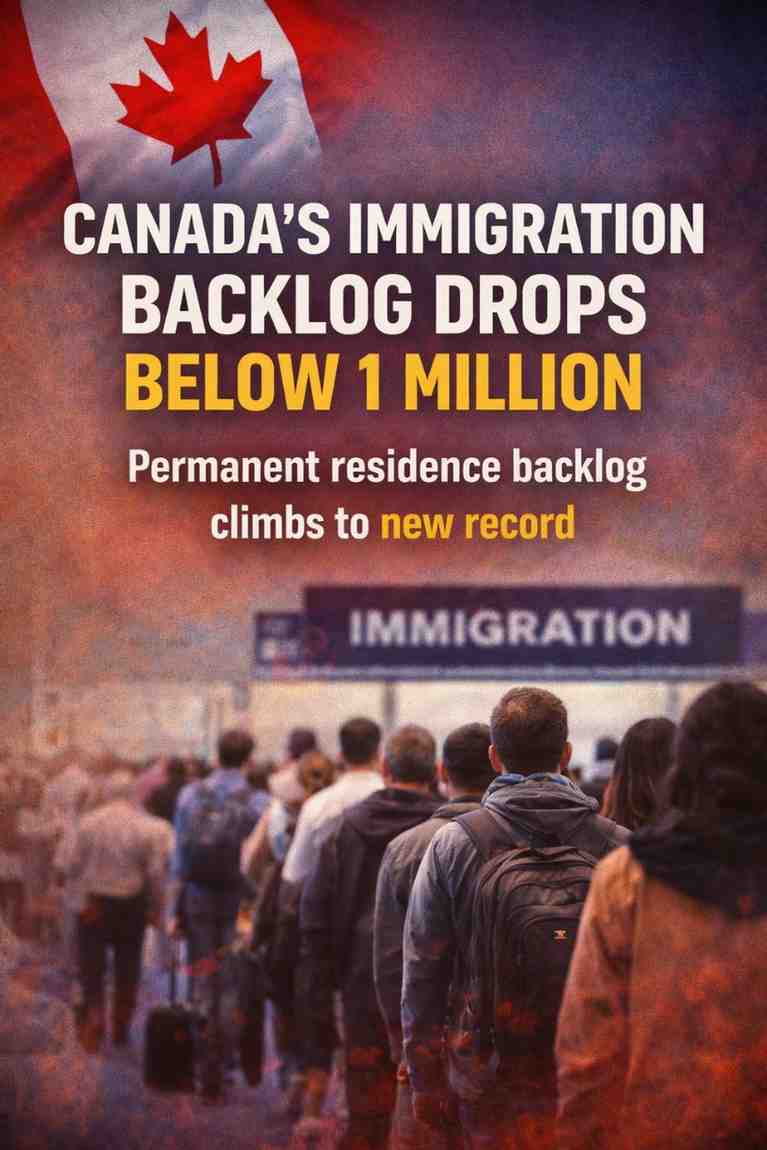
Canada’s overall immigration backlog has dropped below one million applications in 2026, marking a significant improvement in processing delays. However, the backlog for permanent residence applications has reached its highest level on record. The development matters nationally as it reflects both progress in clearing files and ongoing pressure on Canada’s immigration system.
Background and Context
Canada’s immigration system processes applications across multiple categories, including permanent residence, temporary visas, study permits, and work permits. Backlogs grew significantly during the COVID-19 pandemic due to office closures, travel restrictions, and increased application volumes.
In response, the federal government introduced measures to reduce processing times, including digitization of applications, increased staffing, and prioritization of certain categories.
Over the past few years, Canada has also increased its immigration targets to support economic growth and address labour shortages. Higher intake levels have added pressure to the system, even as processing capacity improved.
Permanent residence applications are among the most complex, often requiring detailed background checks, eligibility assessments, and coordination between federal and provincial programs.
Latest Developments
New data shows that Canada’s total immigration backlog has fallen below one million applications, indicating progress in clearing pending files.
However, the backlog for permanent residence applications has increased to its highest recorded level. This suggests that while overall processing has improved, demand for permanent residency continues to outpace system capacity.
Officials say efforts to process temporary visa and permit applications have contributed to the overall reduction in backlog, but permanent residence files remain more time-intensive.
The data reflects a shift in where processing pressure exists within the immigration system rather than a complete resolution of delays.
Why This Matters
The reduction in the overall backlog is a positive sign for applicants and employers relying on temporary workers and international students.
However, the growing permanent residence backlog raises concerns for individuals seeking to settle in Canada long-term. Delays in permanent residency can affect employment opportunities, family reunification, and access to services.
For the Canadian economy, immigration remains a key driver of labour market growth. Processing delays in permanent residence applications could slow workforce integration and long-term economic planning.
The situation also highlights the challenge of balancing high immigration targets with processing capacity.
What Happens Next
The federal government is expected to continue efforts to improve processing times, particularly for permanent residence applications.
Additional investments in staffing, technology, and system modernization may be introduced to address the growing backlog.
Immigration officials may also review intake levels and processing priorities to better align demand with available resources.
Applicants and stakeholders will be watching closely for further updates on processing timelines and backlog reduction strategies.
Conclusion
Canada’s immigration system has made progress by reducing the overall backlog below one million applications, but challenges remain as the permanent residence queue reaches a record high.
The contrasting trends highlight both improvements in efficiency and ongoing pressure within the system, underscoring the need for continued reforms to meet Canada’s immigration goals.