

Opening Summary
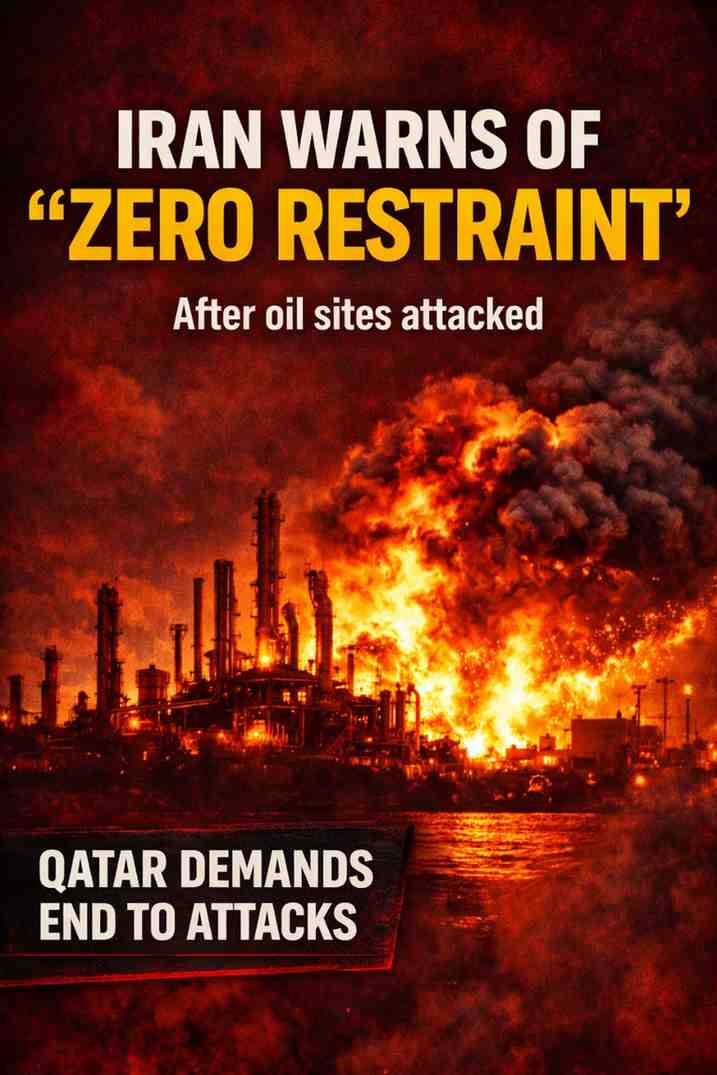
Iran has warned it will show “zero restraint” if its oil and gas infrastructure is targeted again, while Qatar has called for an immediate end to attacks on energy facilities across the Gulf. The statements come amid escalating conflict involving Iran, Israel, and the United States, with recent strikes hitting major energy sites. The situation matters globally because it threatens critical oil and gas supplies and raises the risk of a wider regional war.
Background and Context
The ongoing conflict intensified after Israeli strikes targeted Iran’s South Pars gas field, one of the largest natural gas reserves in the world. The attack marked a major escalation, as energy infrastructure had largely been avoided in earlier phases of the conflict.
Iran responded with retaliatory strikes on energy facilities across the Gulf region, including sites in Qatar, Saudi Arabia, and the United Arab Emirates. These actions have significantly increased tensions and disrupted global energy markets.
The Gulf region plays a central role in global energy supply, with a large share of the world’s oil and liquefied natural gas passing through the area. Any disruption to infrastructure or shipping routes can quickly affect international prices and supply chains.
Latest Developments
Iranian Foreign Minister Abbas Araghchi warned that Tehran would exercise “zero restraint” if its energy infrastructure is attacked again. He said Iran’s previous response used only a fraction of its capabilities and indicated that future retaliation could be significantly stronger.
Iran also signalled that energy facilities across the region could be targeted if attacks on its territory continue, describing the situation as a new phase in the conflict.
Meanwhile, Qatar strongly condemned the attacks on its energy infrastructure, particularly damage to its liquefied natural gas facilities. Qatari officials called for an immediate halt to hostilities, warning that continued strikes could destabilize global energy markets.
The escalation has already caused damage to key facilities in the Gulf and raised concerns about further attacks on oil and gas infrastructure.
Why This Matters
The threat of “zero restraint” from Iran signals a significant escalation in the conflict, increasing the risk of wider military confrontation across the Middle East.
Energy infrastructure is critical to the global economy. Attacks on oil fields, gas plants, or export terminals can disrupt supply and lead to sharp increases in energy prices.
Qatar’s call to end attacks highlights concerns among Gulf states that the conflict could expand beyond its current scope, affecting multiple countries in the region.
For countries like Canada and others dependent on stable energy markets, prolonged disruption could lead to inflation, higher fuel costs, and economic uncertainty.
What Happens Next
Further escalation is possible if additional strikes target energy infrastructure. Iran has indicated it is prepared to respond more aggressively in such scenarios.
Diplomatic efforts from regional and global powers are expected to intensify as governments attempt to prevent further damage to critical infrastructure.
Energy markets and shipping companies will continue monitoring the situation closely, particularly developments around key production sites and transport routes.
Conclusion
Iran’s warning of “zero restraint” and Qatar’s demand to halt attacks underscore the growing risks in the Middle East conflict. With energy infrastructure now directly involved, the stakes have expanded beyond military confrontation to include global economic stability.
The coming days will be critical in determining whether the conflict escalates further or whether diplomatic efforts can contain the crisis.