

Opening Summary
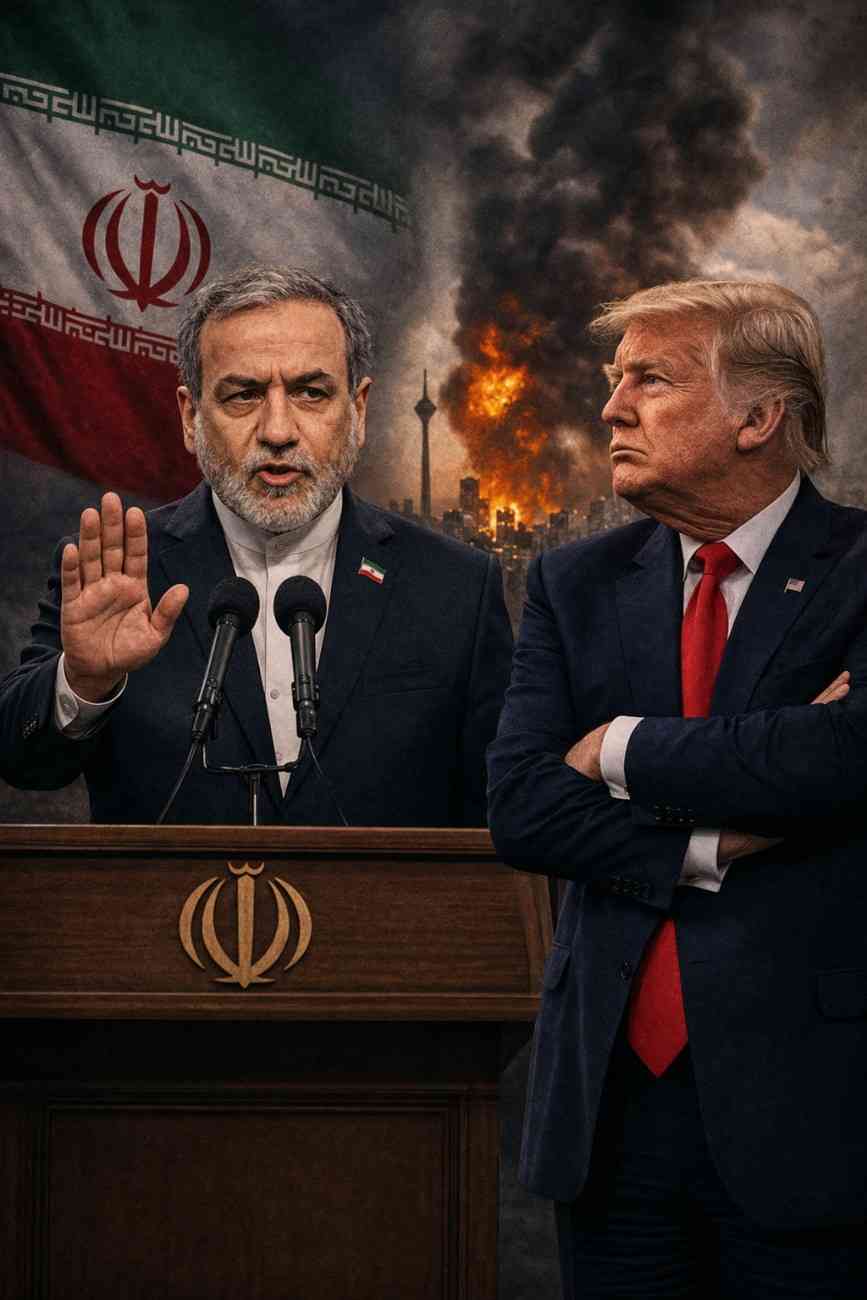
Iran has rejected U.S. President Donald Trump’s claim that Tehran requested a ceasefire, calling the statement “false and baseless.” The denial was issued by Iran’s foreign ministry amid the ongoing conflict involving Iran, the United States, and Israel. The development matters internationally as it highlights deep divisions and uncertainty around diplomatic efforts to end the war.
Background and Context
Tensions between Iran, the United States, and Israel escalated sharply after coordinated military strikes on Iranian facilities earlier in 2026. Iran responded with missile and drone attacks across the region, targeting U.S. bases and allied infrastructure.
Since then, both military and diplomatic developments have unfolded simultaneously. While Washington has suggested that negotiations or ceasefire discussions may be underway, Iranian officials have consistently denied engaging in direct talks.
The conflict has also disrupted global energy markets and shipping routes, particularly around the Strait of Hormuz, increasing international concern.
Diplomatic efforts by third-party mediators have been discussed, but no confirmed agreement or ceasefire has been reached.
Latest Developments
Iran’s foreign ministry spokesperson dismissed Trump’s claim that Tehran had asked for a ceasefire, describing it as “false and baseless.”
The response followed statements by Trump suggesting that Iran had reached out to the United States seeking to halt the conflict.
Iranian officials reiterated that no formal negotiations are taking place, though they acknowledged that indirect messages may have been exchanged through intermediaries.
Officials in Tehran emphasized that their position on the conflict has not changed and that Iran will continue its response to what it describes as external aggression.
The denial reflects a clear contradiction between U.S. claims of potential diplomacy and Iran’s public stance rejecting those assertions.
Why This Matters
The conflicting narratives from the United States and Iran highlight the difficulty of achieving a ceasefire.
Diplomatic progress typically depends on both sides acknowledging negotiations. Iran’s rejection of Trump’s claim suggests that formal talks are either not taking place or remain highly limited.
The situation increases the risk of continued military escalation, as both sides maintain firm public positions.
For the international community, uncertainty around negotiations complicates efforts to mediate the conflict and stabilize the region.
The ongoing tensions also continue to affect global markets, particularly energy prices, due to risks in key supply routes.
What Happens Next
Diplomatic efforts may continue through intermediaries, even if direct talks remain publicly denied.
Military operations are expected to persist as long as both sides maintain their current positions.
International actors, including regional powers and global organizations, may intensify efforts to push for de-escalation.
Observers will closely monitor any changes in official statements that could indicate movement toward negotiations.
Conclusion
Iran’s rejection of Donald Trump’s claim that it requested a ceasefire underscores the deep mistrust between the two sides. By calling the statement “false and baseless,” Tehran has signalled that it is not publicly acknowledging any move toward ending the conflict.
As the war continues, the gap between political messaging and actual diplomatic engagement will remain a key factor in determining whether tensions escalate further or move toward resolution.