

Opening Summary
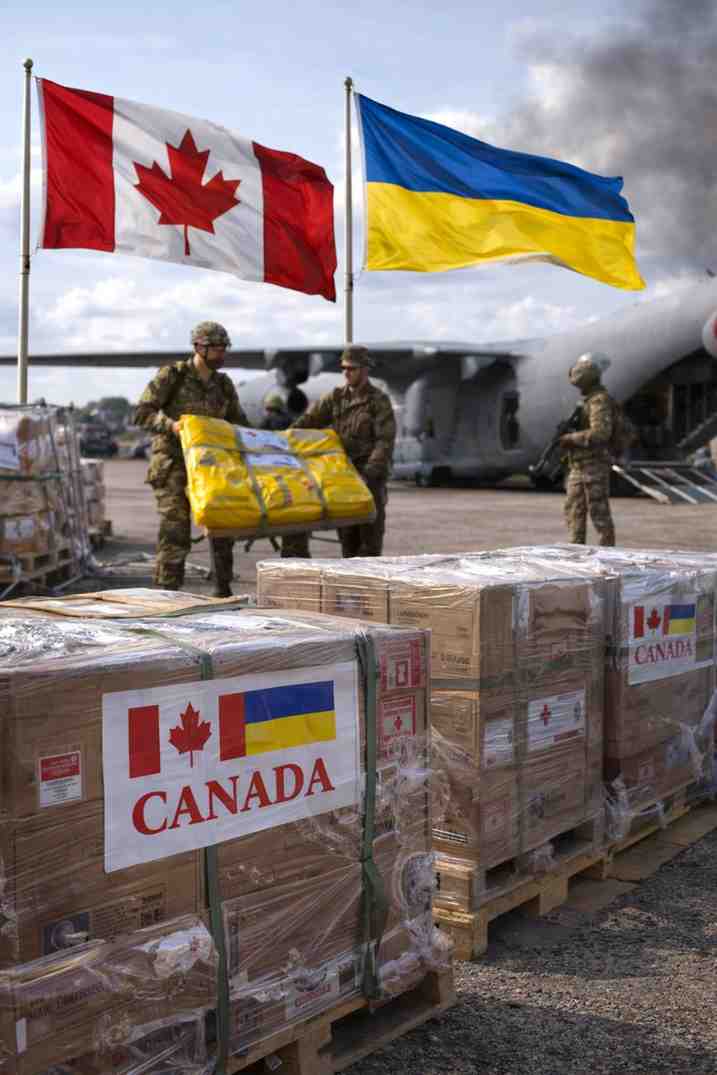
Canada has announced an additional $51 million in aid programming for Ukraine, as Ottawa continues its support amid the ongoing war with Russia. The funding is aimed at strengthening key areas such as recovery, resilience, and institutional support. The move matters internationally as Canada remains a consistent contributor to Ukraine’s defence and reconstruction efforts.
Background and Context
Canada has been one of Ukraine’s key allies since the start of Russia’s full-scale invasion in 2022. Ottawa has provided billions of dollars in military, financial, and humanitarian assistance over the past several years.
Support has included military equipment, financial aid, sanctions against Russia, and programs to assist Ukrainian civilians and institutions. Canada has also worked with international partners through NATO and other alliances to coordinate assistance.
Beyond military aid, Canada has focused on long-term support initiatives such as rebuilding infrastructure, supporting governance systems, and assisting veterans and displaced populations.
The continued funding reflects Canada’s broader foreign policy approach of supporting Ukraine’s sovereignty and stability.
Latest Developments
The federal government confirmed a new $51 million package focused on aid programming rather than direct military support.
Officials said the funding will help Ukraine strengthen institutional capacity and provide support in areas such as veteran services, including mental health and reintegration programs.
The initiative is also expected to share Canada’s experience in supporting veterans, particularly lessons learned from past military missions such as Afghanistan.
Canadian officials emphasized that the funding is part of ongoing efforts to assist Ukraine beyond immediate battlefield needs, focusing on long-term resilience.
Why This Matters
The additional funding highlights Canada’s continued commitment to Ukraine at a time when the conflict remains ongoing.
Support for veterans and institutional development is critical for Ukraine’s long-term recovery, especially as the country deals with the social and economic impacts of war.
For Canada, such aid strengthens its role on the global stage and reinforces alliances with European and NATO partners.
The move also reflects a shift toward supporting reconstruction and post-conflict readiness alongside military assistance.
What Happens Next
Canada is expected to continue providing assistance to Ukraine through a combination of military, economic, and humanitarian support.
Further announcements may follow as the situation evolves and as international partners coordinate additional aid packages.
Officials will likely monitor how the new funding is implemented and its impact on Ukraine’s recovery efforts.
Conclusion
Canada’s announcement of an additional $51 million in aid programming for Ukraine underscores its ongoing support for the country during a prolonged conflict.
By focusing on long-term resilience and institutional support, Ottawa is positioning its assistance to contribute not only to immediate needs but also to Ukraine’s future stability and recovery.