

Opening Summary
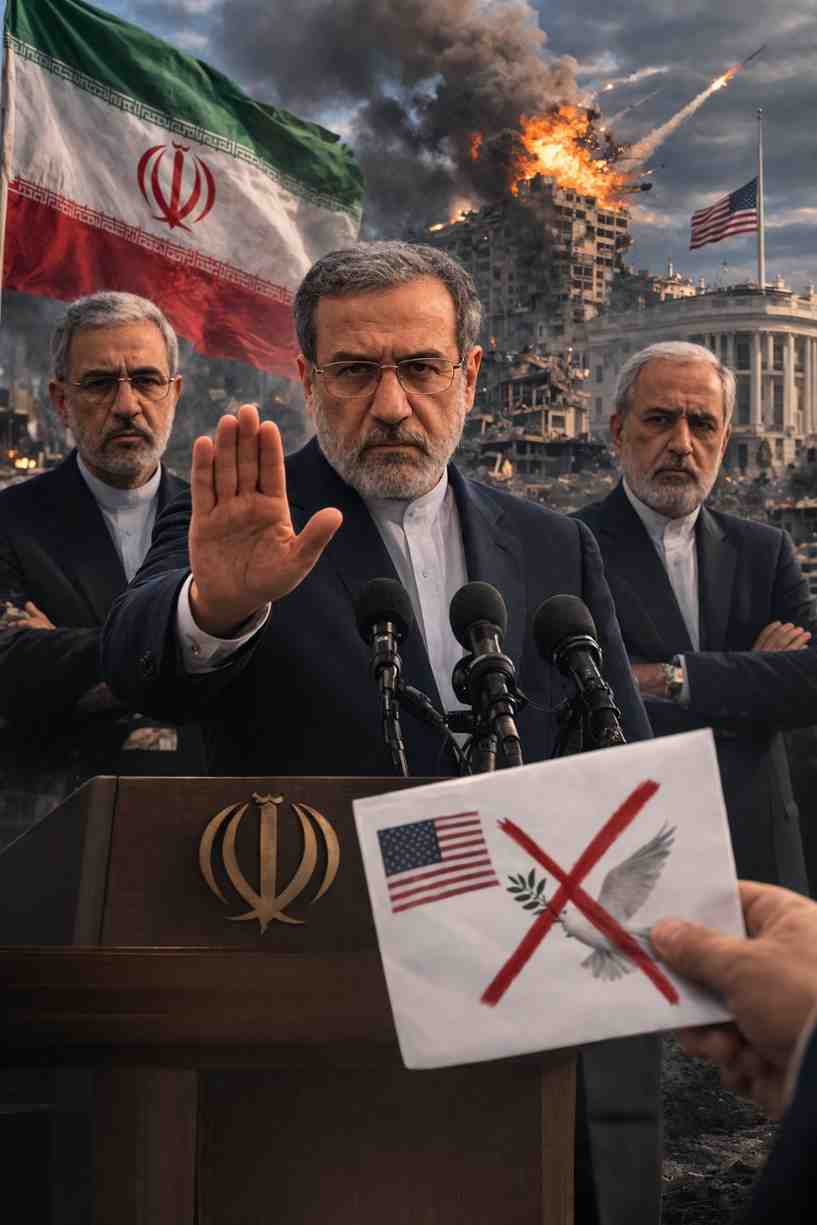
Iran has formally rejected a U.S.-backed ceasefire proposal and instead called for a “definitive” end to the ongoing war involving the United States and Israel. The response was conveyed through diplomatic channels amid escalating military conflict. The development matters globally as it signals a major setback for ceasefire efforts and raises the risk of prolonged instability in the Middle East.
Background and Context
The conflict intensified after coordinated U.S. and Israeli strikes targeted Iranian military and nuclear-related facilities earlier in 2026. Iran responded with missile and drone attacks across the region, including strikes on U.S. bases and allied infrastructure.
In recent weeks, multiple countries have attempted to mediate a ceasefire, with proposals focusing on temporary halts in fighting to allow for broader negotiations. The United States reportedly pushed for a short-term truce aimed at de-escalating the situation and reopening key shipping routes such as the Strait of Hormuz.
However, Iran has repeatedly expressed distrust toward temporary ceasefires, arguing that such pauses could be used by opponents to regroup and launch further attacks.
The conflict has already disrupted global energy markets and raised concerns about regional stability, particularly due to risks to oil and gas infrastructure.
Latest Developments
Iran’s state media confirmed that Tehran has rejected the latest U.S. ceasefire proposal and instead submitted its own response outlining conditions for ending the war.
Iranian officials emphasized that they are not interested in a temporary ceasefire and are seeking a permanent or “definitive” end to hostilities.
The response reportedly includes demands such as guarantees against future attacks, lifting of sanctions, and broader regional de-escalation measures.
Officials also indicated that Iran’s position was communicated through intermediaries, reflecting ongoing indirect diplomatic engagement despite public disagreements.
The rejection comes as fighting continues across multiple fronts, with no immediate signs of de-escalation.
Why This Matters
Iran’s rejection of a ceasefire proposal significantly reduces the chances of an immediate pause in fighting.
A demand for a “definitive” end to the war suggests that negotiations may require major concessions, making a quick agreement unlikely.
The development also highlights the deep mistrust between Iran and the United States, which continues to complicate diplomatic efforts.
For the global economy, continued conflict in the Middle East can disrupt energy supply routes and increase oil prices.
Countries like Canada and others dependent on stable energy markets may face economic impacts if the conflict persists.
What Happens Next
Diplomatic efforts are expected to continue through intermediaries, even as direct negotiations remain uncertain.
Military operations are likely to persist as both sides maintain their positions and continue strategic strikes.
International actors may intensify efforts to broker a broader agreement that goes beyond a temporary ceasefire.
Energy markets and global policymakers will continue monitoring developments closely.
Conclusion
Iran’s call for a “definitive” end to the war, coupled with its rejection of the U.S. ceasefire proposal, underscores the challenges facing diplomatic efforts to end the conflict.
As tensions remain high and fighting continues, the possibility of a prolonged confrontation increases, with significant implications for regional stability and global energy markets.