

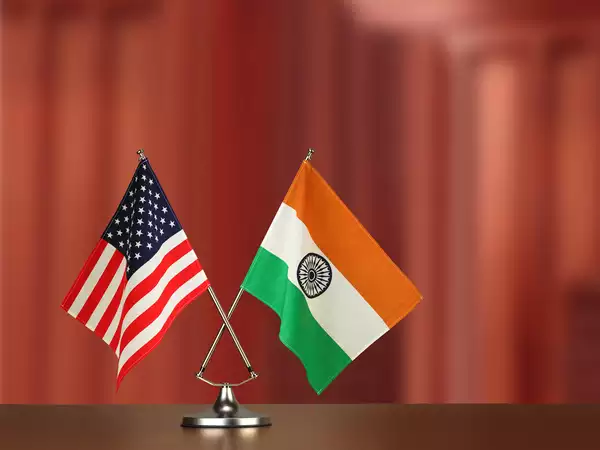
US-India Tariff Wars: A Trade Battle Shaping the Future
March 6, 2025
The trade relationship between the United States and India has seen many ups and downs, but recent tariff policies have added a new layer of complexity. As both nations impose and adjust tariffs, industries and businesses on both sides are left wondering—who will benefit, and who will bear the brunt of these economic policies?
The Tariff Tussle: What’s Happening?
The United States recently introduced “reciprocal tariffs,” aiming to align U.S. import duties with those imposed by other nations, including India. This policy is expected to impact major Indian exports like steel, aluminum, engineering goods, and automobiles.
On the other hand, India has been protective of its domestic industries, maintaining high tariffs on certain U.S. imports, particularly in the automobile and agriculture sectors. This has led to growing tension between the two economic giants.
Industries Caught in the Crossfire
1. Steel & Aluminum
The U.S. has imposed a 25% tariff on steel and 10% on aluminum, significantly affecting Indian exports in these sectors. India’s engineering goods manufacturers are urging the government to negotiate a reduction in these tariffs to maintain competitiveness in the American market.
2. Automobiles
The U.S. is pushing India to cut import duties on American cars, particularly to facilitate brands like Tesla. However, India’s high import taxes (up to 110%) on foreign vehicles remain a major hurdle. While India is considering phased tariff reductions, domestic carmakers are wary of the impact on local production.
3. Agricultural Products
India has historically imposed high tariffs on U.S. agricultural products like almonds, apples, and dairy products. In response, the U.S. has been pressuring India to open its market further, while Indian farmers push back against increased competition.
What This Means for Businesses
For Indian exporters, these tariff changes mean higher costs, reduced demand, and potential losses in the U.S. market. On the flip side, American companies looking to enter India’s market face similar struggles due to high import duties.
Small and medium-sized enterprises (SMEs) in both countries are particularly vulnerable, as they lack the resources to absorb sudden increases in costs.
Can India and the US Find Common Ground?
With the U.S. and India both being strategic partners in defense, technology, and trade, a complete trade war is unlikely. However, both nations will need to engage in diplomatic negotiations to prevent long-term economic damage.
Some possible solutions include:
- Tariff Reductions: India could lower import duties on specific American goods in exchange for the U.S. easing tariffs on steel and aluminum.
- Trade Agreements: A new trade deal focusing on key sectors like technology, energy, and pharmaceuticals could help both nations balance their interests.
- Boosting Domestic Competitiveness: Indian businesses could focus on improving efficiency, innovation, and cost-effectiveness to stay competitive despite higher tariffs.
Conclusion
The US-India tariff battle is more than just a trade dispute—it’s a power struggle with significant economic consequences. While both nations aim to protect their industries, collaboration over confrontation is the key to long-term prosperity.
As businesses navigate these uncertain times, all eyes will be on future trade talks. Will the world’s largest democracies find a middle ground, or are we heading toward a prolonged trade war? Only time will tell.