

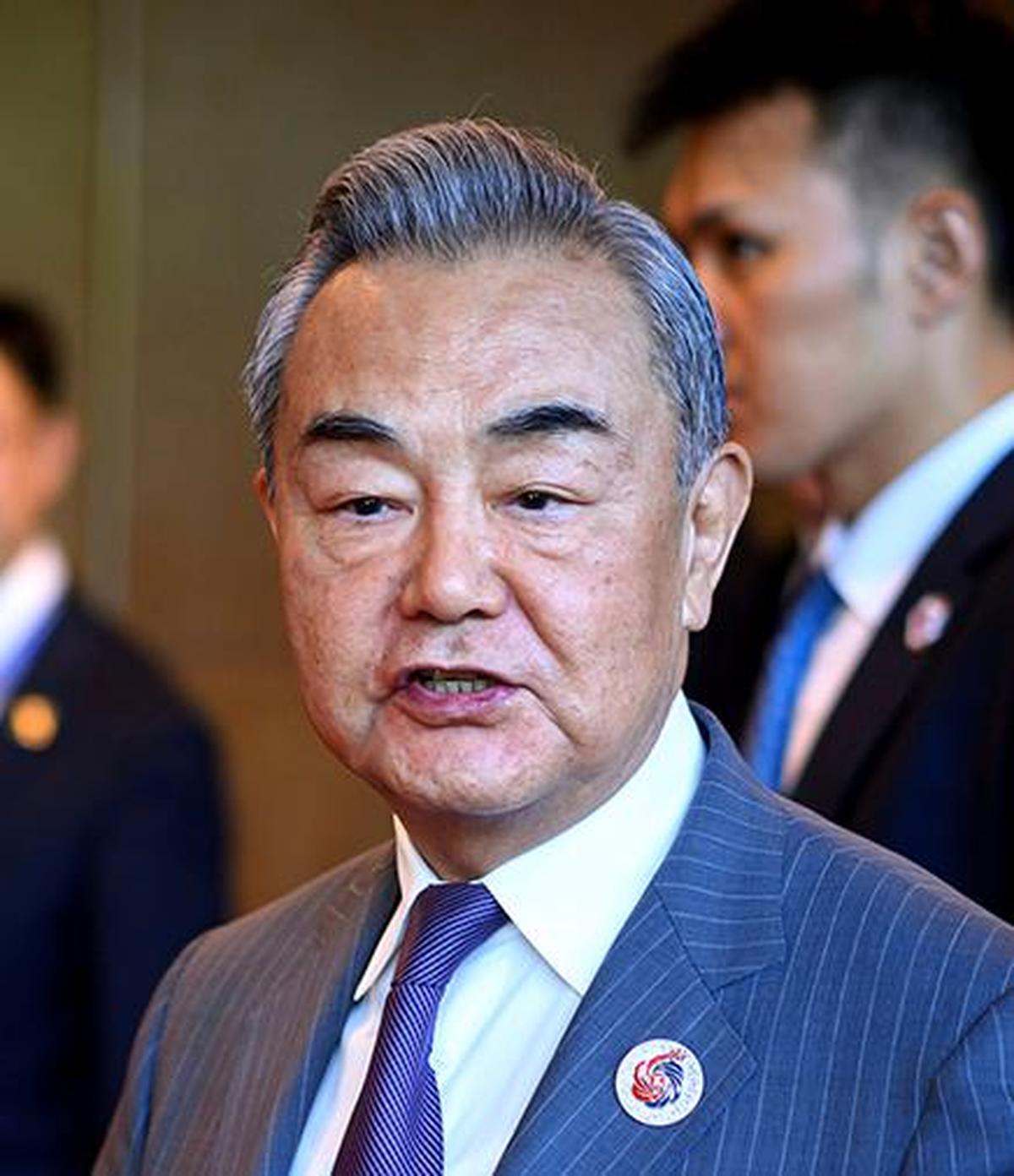
China has sharply criticized Japan for what it calls a “shocking and irresponsible” signal on the Taiwan issue, accusing Tokyo of interfering in Beijing’s internal affairs and escalating tensions in the region. The remarks came after Japanese officials made statements that Beijing says amounted to political support for Taiwan at a sensitive moment in cross-strait relations.
A spokesperson for China’s Foreign Ministry said Japan’s position “gravely violates the one-China principle” and risks undermining years of diplomatic understanding between the two countries. The spokesperson added that any move that appears to encourage Taiwanese autonomy or challenge China’s sovereignty “will be met with firm countermeasures.”
The strong reaction reflects Beijing’s growing alarm over Japan’s closer security ties with both the United States and Taiwan. In recent months, Japanese officials have spoken more openly about the strategic importance of Taiwan’s stability, warning that a conflict in the Taiwan Strait would directly threaten Japan’s national security. China sees such statements as crossing a political red line.
Japanese leaders, however, maintain that their concerns are rooted in regional peace and economic stability. Tokyo has been increasingly vocal as China expands military activities near Taiwan, including large-scale air incursions and naval manoeuvres. Observers say Japan’s shift marks a significant change from its traditionally cautious diplomatic stance.
Analysts believe the latest war of words underscores how Taiwan has become a flashpoint at the centre of Asia’s strategic realignment. With U.S.–China rivalry intensifying, Japan’s role — both as a key U.S. ally and a major regional power — is drawing scrutiny from Beijing.
Security experts warn that sustained friction could complicate economic ties between China and Japan, two of the world’s largest economies, while adding further strain to an already fragile regional order.
For now, both sides appear unwilling to soften their rhetoric, leaving the Taiwan question more sensitive — and politically charged — than it has been in years.