
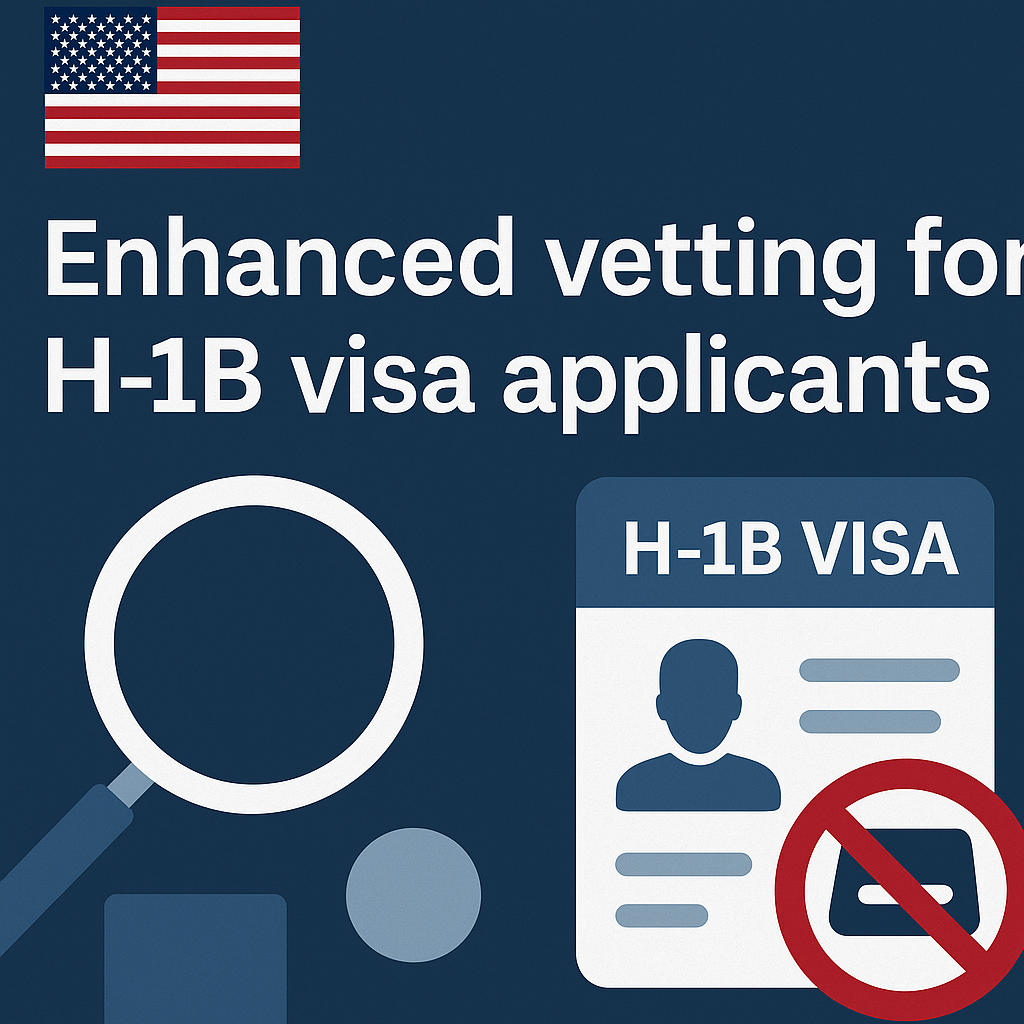
The Trump administration has introduced a new layer of enhanced vetting for H-1B visa applicants, saying the policy is aimed at identifying individuals who may engage in or support what it describes as “censorship of free speech.” The move marks one of the most significant shifts in the screening process for high-skilled foreign workers since the program’s tightening several years ago.
According to senior U.S. officials, consular officers and immigration adjudicators will now review applicants’ online activity, organizational affiliations, and past employment environments to determine whether they have participated in, promoted, or benefited from activities the administration views as suppressing free expression. The policy directive references concerns about foreign influence in American institutions, particularly in technology and research sectors where many H-1B holders work.
Critics, however, say the rule is vague and risks politicizing the visa process. Immigration lawyers warn that even legitimate moderation roles or compliance work in social-media companies, universities, and newsrooms could be misinterpreted as “censorship,” creating uncertainty for thousands of prospective applicants. Some experts argue the criteria are open-ended enough to allow wide discretion to officers, potentially slowing processing times and increasing denial rates.
Business groups expressed immediate concern, noting that the H-1B program is vital to filling talent shortages in engineering, computer science, healthcare, and research. They warn that extended vetting could discourage skilled professionals from choosing the United States, especially as other countries streamline their pathways for tech and innovation workers.
Civil liberties organizations also raised alarms, arguing that tying visa decisions to ideological assessments — including interpretations of “free speech” — risks violating constitutional principles and creates a chilling effect on global professionals who engage in public discourse.
The State Department has not clarified how officers will determine what constitutes “censorship,” nor how appeals will be processed if applicants believe they were misjudged.
For now, immigration experts expect immediate delays in H-1B adjudications as officers adjust to the new mandate. With the tech sector already struggling to fill specialized roles, the policy could have ripple effects on hiring cycles, innovation timelines, and international recruitment.
As the directive rolls out, both supporters and critics agree on one point: the new vetting rules will significantly reshape how the U.S. screens — and potentially selects — high-skilled workers from around the world.