

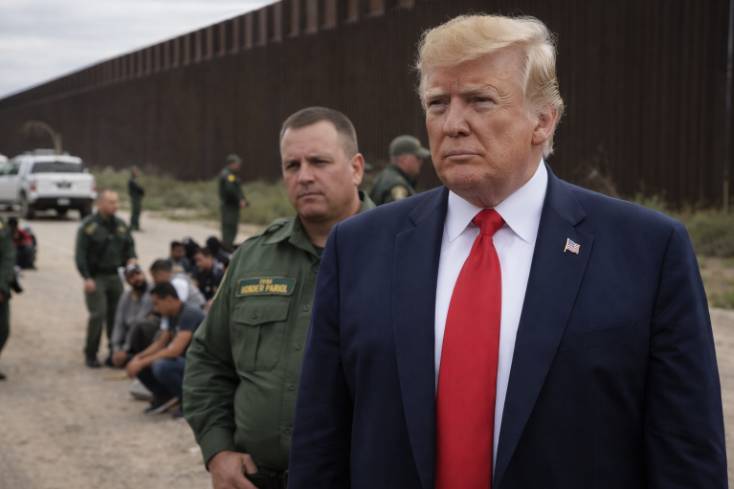
Former U.S. President Donald Trump has signalled plans to significantly expand his immigration crackdown in 2026, doubling down on hardline policies even as opposition grows from civil rights groups, business leaders, and sections of the electorate. The move underscores Trump’s intent to keep immigration at the centre of his political agenda, framing it as a national security and economic issue.
According to people familiar with policy discussions, the proposed expansion would include tighter border enforcement, broader deportation efforts, enhanced vetting of visa applicants, and stricter limits on asylum and temporary work programmes. Trump has argued that existing measures do not go far enough and has pledged to use executive authority to push through changes if Congress fails to act.
Speaking to supporters, Trump said the United States must “take back control” of its borders, claiming that illegal immigration threatens jobs, public safety, and social cohesion. He has repeatedly linked immigration to crime and economic strain, assertions that critics say oversimplify a complex issue and ignore evidence showing immigrants’ contributions to the economy.
The proposed crackdown has already triggered backlash from immigrant advocacy groups, who warn that expanded enforcement could lead to family separations, labour shortages, and human rights violations. Several business associations have also raised concerns, arguing that tougher immigration rules could worsen workforce shortages in agriculture, construction, healthcare, and technology.
Democratic leaders and some moderate Republicans have criticised the approach as politically motivated, saying it risks inflaming social divisions while failing to address structural problems in the immigration system. They have called instead for comprehensive reform that balances border security with legal pathways for workers and humanitarian protections.
Despite the criticism, Trump’s stance continues to resonate with a significant portion of his base, particularly voters who view immigration as a defining national issue. Analysts say the 2026 push signals that Trump intends to campaign on enforcement-first policies, even at the cost of intensifying political and legal battles.
As debates sharpen ahead of the next election cycle, the prospect of an expanded immigration crackdown is set to remain one of the most polarising issues in U.S. politics, shaping policy, public discourse, and America’s global image.