
Opening Summary
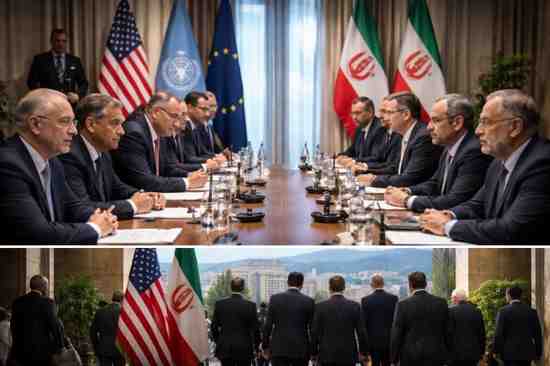
The United States and Iran are holding indirect nuclear talks in Geneva, Switzerland, in negotiations widely viewed as crucial to preventing a broader military conflict. Officials from both sides are engaging through mediators to address disputes over Iran’s nuclear programme and U.S. sanctions. The talks matter internationally as tensions in the Middle East remain high and any escalation could have global security and economic consequences.
Background and Context
Relations between the United States and Iran have been strained for years, largely due to disagreements over Tehran’s nuclear activities. A 2015 nuclear agreement placed limits on Iran’s enrichment programme in exchange for sanctions relief, but the deal later collapsed after the United States withdrew and reimposed sanctions.
Since then, Iran has expanded certain aspects of its nuclear programme, including uranium enrichment beyond previously agreed limits. The U.S. and its allies argue that these steps raise proliferation concerns, while Iran maintains that its programme is for peaceful purposes.
Diplomatic efforts to revive or replace the agreement have stalled multiple times. Disputes have centered on verification measures, sanctions relief, and the sequencing of commitments. Periodic military incidents and increased force deployments in the region have added urgency to renewed negotiations.
Geneva has frequently served as neutral ground for sensitive diplomatic engagement, with indirect talks facilitated by intermediaries to help bridge differences between the two governments.
Latest Developments
Delegations from the United States and Iran have resumed indirect negotiations, focusing on narrowing differences over enrichment limits, monitoring arrangements, and economic sanctions.
Officials familiar with the discussions describe them as serious but complex. The U.S. side is seeking verifiable constraints on Iran’s nuclear activities, while Iran is pressing for meaningful sanctions relief and recognition of its rights under international agreements.
No breakthrough has been announced, but both sides have indicated that dialogue remains preferable to confrontation. Mediators are expected to continue relaying proposals and counterproposals between delegations.
The talks are unfolding amid heightened military readiness in parts of the Middle East, underscoring the stakes if diplomacy fails.
Why This Matters
The outcome of the negotiations could significantly affect regional and global stability. A breakdown in talks risks raising the possibility of military confrontation, which could disrupt energy markets, shipping routes, and broader geopolitical relations.
For countries such as Canada and European allies, a diplomatic resolution is central to maintaining international non-proliferation standards. Western governments have consistently supported agreements that combine strict verification with phased sanctions relief.
Economically, sanctions on Iran influence oil supply and global financial flows. Instability in the region can trigger price volatility and affect trade.
Diplomatically, the negotiations test whether sustained engagement can overcome years of mistrust and entrenched political positions.
What Happens Next
Negotiators are expected to return to their respective capitals for consultations before reconvening for additional rounds. Progress will depend on whether both sides are willing to compromise on core issues.
Future discussions are likely to focus on technical details, including inspection access, timelines for sanctions relief, and mechanisms for ensuring compliance.
If talks stall or collapse, diplomatic channels could narrow, increasing pressure from hardline factions and raising the risk of escalation.
Conclusion
The renewed nuclear talks between the United States and Iran in Geneva represent a high-stakes diplomatic effort to prevent conflict and manage a long-running international dispute. While no agreement has yet emerged, continued engagement reflects recognition of the risks posed by further escalation.
Whether diplomacy produces tangible progress will shape regional stability and global security in the months ahead.