
Opening Summary
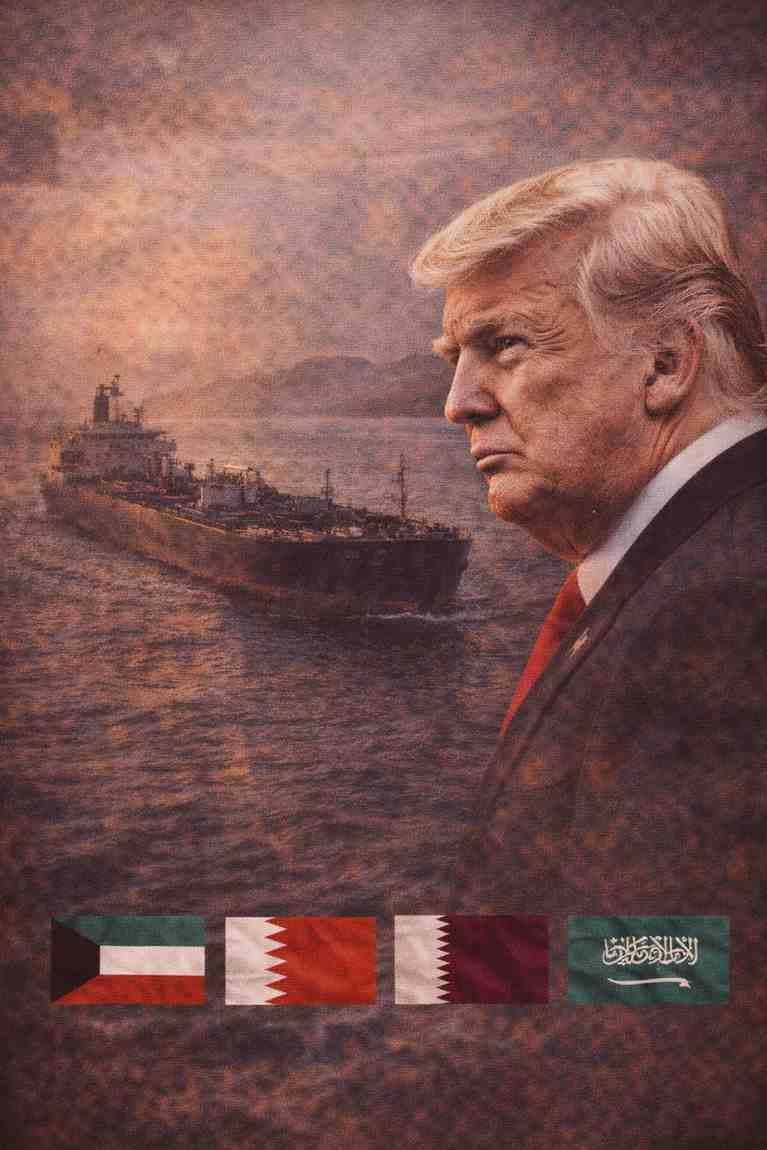
U.S. President Donald Trump has told countries affected by disruptions in Middle East energy supplies to go to the Strait of Hormuz and “get your oil,” amid ongoing conflict involving Iran. The remarks come as global shipping routes face increased risk due to military activity in the region. The statement matters internationally as it reflects Washington’s stance on energy access and responsibility during the crisis.
Background and Context
The Strait of Hormuz is one of the world’s most critical energy corridors, linking the Persian Gulf with global markets. A significant portion of global oil exports passes through the narrow waterway each day.
The ongoing conflict involving Iran, the United States, and Israel has led to increased threats to shipping in the region. Iran has previously warned that it could restrict access to the strait in response to military actions.
Recent attacks on tankers, missile strikes, and naval activity have raised concerns about the safety of commercial shipping. Insurance costs for vessels have increased, and some companies have rerouted or delayed shipments.
Global energy markets have reacted to the uncertainty, with oil prices rising due to fears of supply disruptions.
Latest Developments
President Donald Trump said that countries dependent on Middle Eastern oil should take responsibility for securing their own energy supplies. He suggested that affected nations should go to the Strait of Hormuz and “get your oil,” implying that access remains possible despite ongoing tensions.
The comments come amid growing calls for international cooperation to secure shipping routes and ensure the free flow of oil through the region.
U.S. officials have also emphasized that American forces are working to maintain maritime security, but have encouraged allied nations to contribute more actively to protecting shipping lanes.
The remarks reflect a broader U.S. position that global energy security should be a shared responsibility among countries that rely on oil imports.
Why This Matters
Trump’s comments highlight the ongoing risks to global energy supply chains and the challenges of maintaining secure shipping routes during conflict.
The Strait of Hormuz is essential to global oil markets. Any disruption can lead to higher fuel prices and economic uncertainty worldwide.
The statement also signals potential shifts in how the United States expects allies to share the burden of securing international trade routes.
For countries like Canada and others dependent on stable energy markets, continued instability in the region can affect fuel costs and broader economic conditions.
What Happens Next
International discussions are expected to continue regarding maritime security and the protection of shipping routes in the Strait of Hormuz.
Allied nations may consider increasing naval presence or coordination to ensure safe passage for oil tankers.
Energy markets will continue to react to developments in the region, with prices likely to remain volatile as long as tensions persist.
Diplomatic efforts may also intensify to reduce conflict and stabilize the region.
Conclusion
President Donald Trump’s call for affected nations to go to the Strait of Hormuz and “get your oil” reflects ongoing tensions and debates over responsibility for global energy security.
As the conflict continues to disrupt shipping routes, international cooperation and diplomatic efforts will be critical in ensuring stability in one of the world’s most important energy corridors.