

Opening Summary
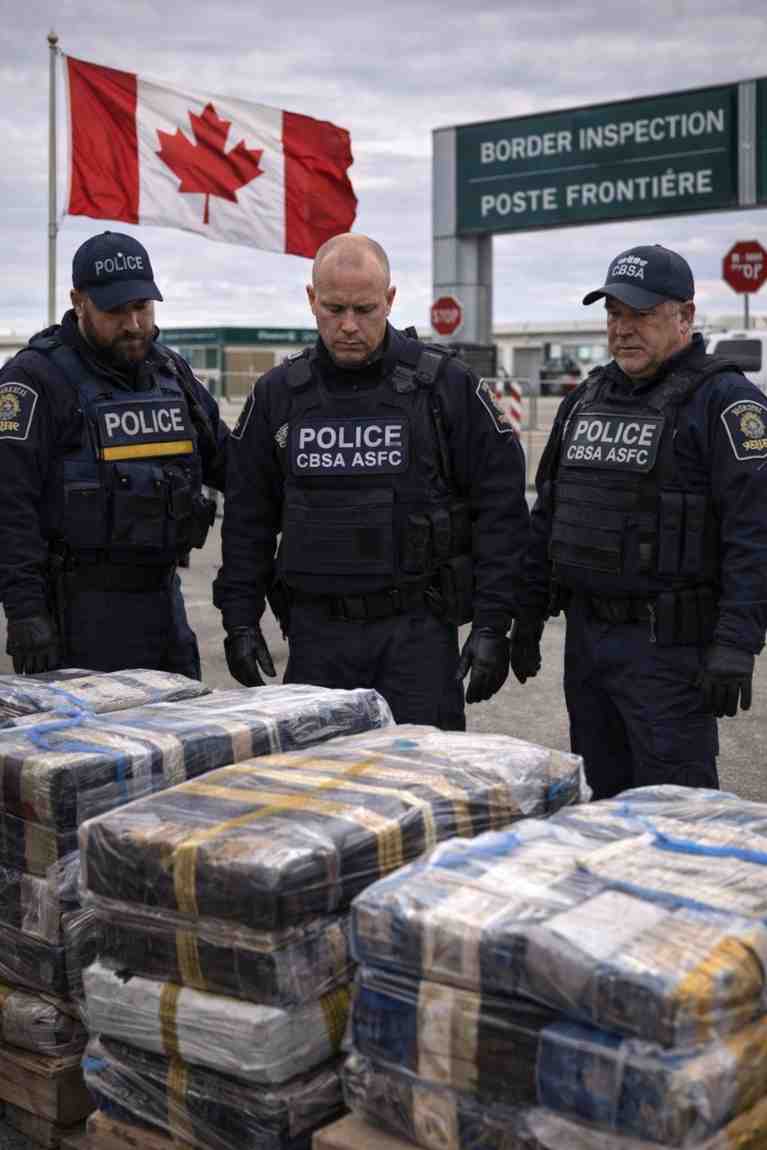
Canadian authorities have seized 87 kilograms of cocaine at the Coutts border crossing in Alberta, one of the country’s key entry points from the United States. The drugs were discovered during a border inspection, officials said. The seizure matters nationally as it highlights ongoing efforts to combat drug trafficking at Canada’s borders.
Background and Context
The Coutts port of entry is a major commercial and passenger crossing between Alberta and the United States. It handles significant volumes of cross-border traffic, including commercial shipments and private vehicles.
Canada’s border agencies, including the Canada Border Services Agency (CBSA), use a combination of intelligence, inspections, and technology to detect illegal goods entering the country.
Cocaine trafficking remains a major concern for law enforcement agencies. Large seizures are often linked to organized crime networks that operate across international borders.
Authorities regularly monitor high-risk shipments and travellers as part of efforts to intercept illegal narcotics before they enter Canadian communities.
Latest Developments
Officials confirmed that 87 kilograms of cocaine were seized during an inspection at the Coutts border crossing.
The drugs were reportedly discovered concealed within a shipment during a secondary examination. Border officers identified suspicious indicators that led to a more detailed search.
The seized narcotics have been handed over to law enforcement authorities for further investigation.
Authorities have not yet released detailed information about any arrests or charges related to the case.
Why This Matters
The seizure represents a significant disruption to illegal drug supply chains. Large quantities of cocaine entering Canada are often connected to organized criminal groups.
Intercepting such shipments helps prevent drugs from reaching communities and reduces the potential harm associated with drug trafficking.
The case also highlights the importance of border security operations in detecting and preventing illegal activities.
For law enforcement, seizures of this scale provide valuable intelligence that can be used to track and dismantle criminal networks.
What Happens Next
Investigations are expected to continue to determine the origin of the shipment and identify those responsible.
Law enforcement agencies may pursue charges if individuals are linked to the trafficking attempt.
Authorities will continue monitoring border crossings and using intelligence-based approaches to detect future smuggling attempts.
Conclusion
The seizure of 87 kilograms of cocaine at the Coutts border crossing underscores the ongoing efforts by Canadian authorities to combat drug trafficking.
As investigations continue, the case highlights the role of border enforcement in protecting public safety and disrupting organized crime networks.