

Opening Summary
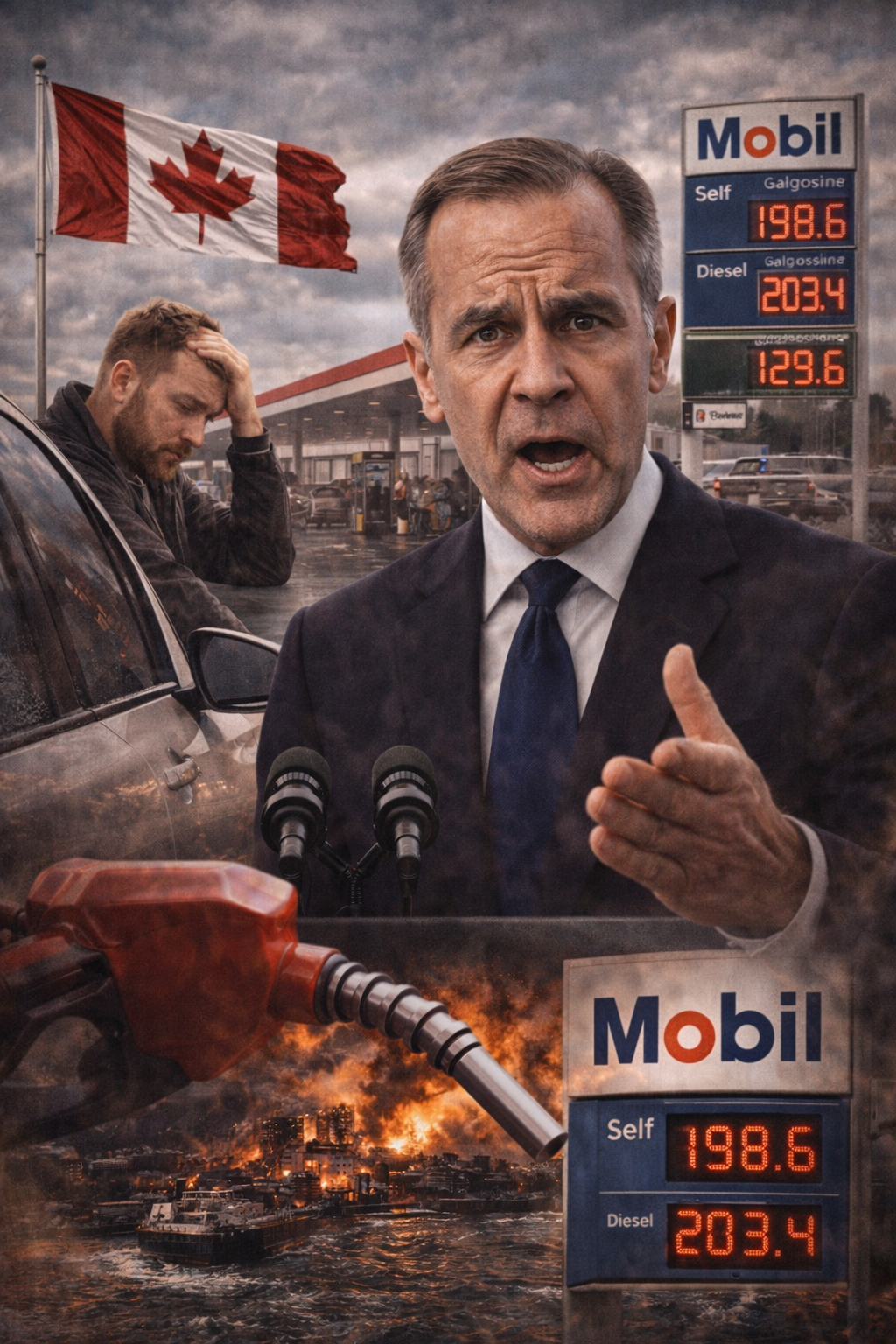
Canadian Prime Minister Mark Carney has responded to rising fuel prices as Canadians face nearly $2 per litre at gas pumps across the country. The surge comes amid global energy market disruptions linked to the ongoing Middle East conflict. The issue matters nationally as it affects household budgets, transportation costs, and inflation.
Background and Context
Gas prices in Canada are closely tied to global oil markets. Any disruption in supply, particularly from key regions like the Middle East, can lead to rapid price increases.
Recent tensions involving Iran, the United States, and Israel have impacted oil production and shipping routes, especially around the Strait of Hormuz, a major global oil transit point.
Canada also faces domestic factors influencing fuel prices, including refining capacity, transportation costs, and regional taxes.
Rising fuel costs have a broader economic impact, increasing the cost of goods and services and contributing to inflation.
Latest Developments
Prime Minister Mark Carney addressed the issue of rising gas prices, acknowledging the financial pressure on Canadians.
He said the government is closely monitoring global energy markets and is prepared to take steps to support Canadians if necessary.
Carney emphasized that the current price surge is largely driven by international factors beyond Canada’s direct control, particularly disruptions in global oil supply.
Officials indicated that the government may explore measures to stabilize prices or provide relief, though no specific policies have been announced.
Consumers in several provinces have reported fuel prices approaching or reaching $2 per litre, with higher costs expected if global tensions continue.
Why This Matters
Rising gas prices directly affect Canadians’ daily expenses, including commuting, transportation, and the cost of goods.
Higher fuel costs can lead to increased inflation, impacting food prices and other essential items.
For businesses, especially those reliant on transportation, increased fuel prices can reduce margins and raise operating costs.
The situation also highlights Canada’s exposure to global energy markets despite being an oil-producing country.
What Happens Next
The federal government is expected to continue monitoring the situation and may introduce measures if prices remain elevated.
Energy markets will remain volatile as long as tensions in the Middle East persist.
Canadians may continue to experience fluctuations in fuel prices in the short term.
Long-term discussions around energy security and domestic supply may gain renewed attention.
Conclusion
Prime Minister Mark Carney’s response to gas prices nearing $2 per litre reflects growing concern over the impact of global energy disruptions on Canadians.
As the situation evolves, the government’s next steps and developments in international markets will play a key role in determining whether prices stabilize or continue to rise.