

Opening Summary
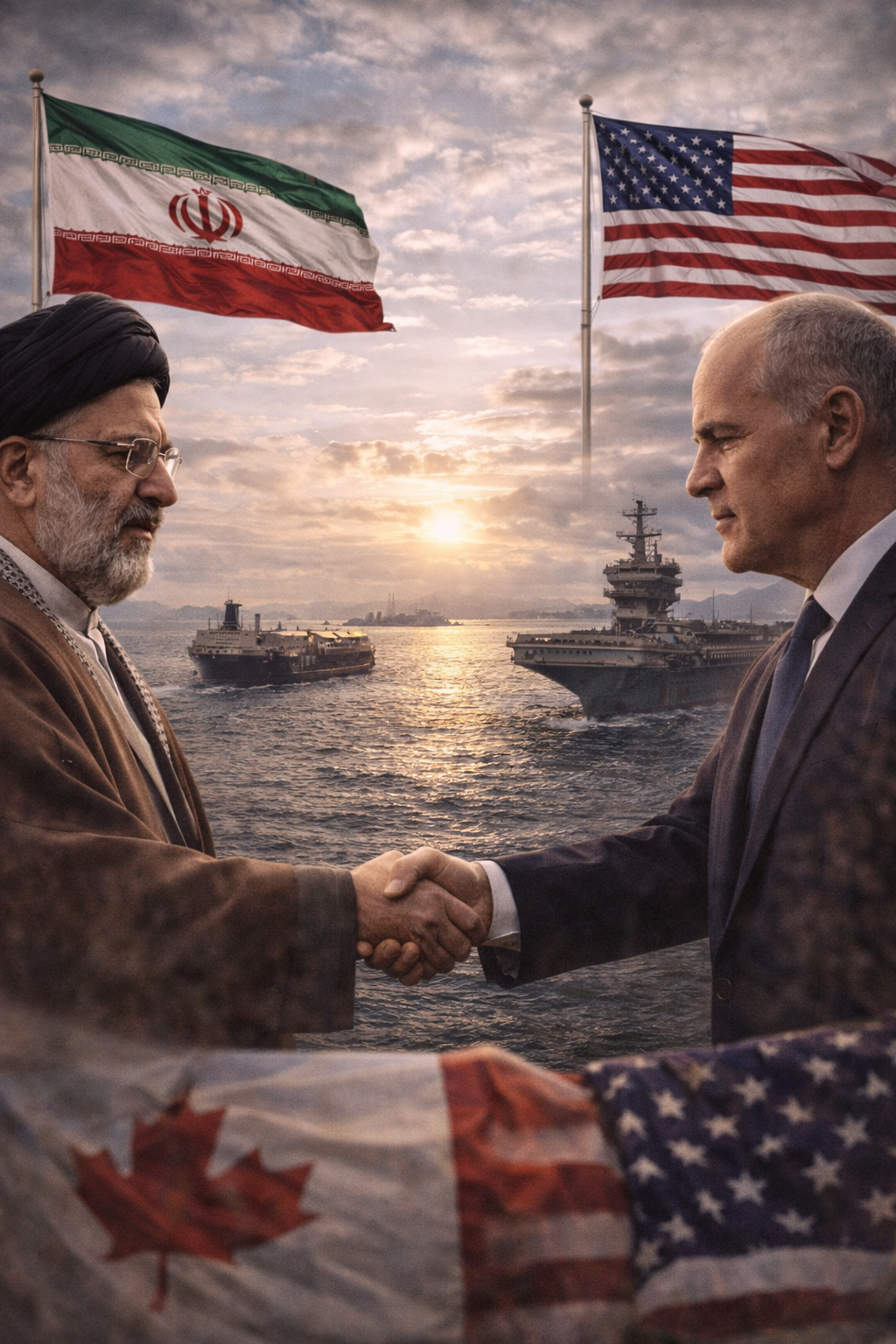
The United States and Iran have agreed to a conditional two-week ceasefire amid ongoing conflict, with both sides committing to steps aimed at de-escalation. A key part of the agreement includes the reopening of the Strait of Hormuz, one of the world’s most critical oil shipping routes. The development matters globally as it offers a temporary pause in hostilities and relief to energy markets.
Background and Context
The conflict between Iran, the United States, and Israel escalated earlier in 2026 following a series of airstrikes and retaliatory attacks across the Middle East.
One of the most significant consequences of the conflict was the disruption of the Strait of Hormuz, a narrow waterway through which a large share of global oil supply passes. The blockage led to rising oil prices, shipping disruptions, and global economic concerns.
Diplomatic efforts had been ongoing through intermediaries, with several countries attempting to broker a ceasefire and prevent further escalation.
The situation had reached a critical point, with threats of major military action just hours before the agreement was reached.
Latest Developments
U.S. President Donald Trump confirmed that a two-week ceasefire has been agreed upon, pausing military operations between the two sides.
The ceasefire is conditional, with Iran agreeing to ensure the immediate and safe reopening of the Strait of Hormuz to global shipping.
The agreement was reportedly facilitated through diplomatic mediation, allowing both sides to step back from further escalation and create space for negotiations.
Iranian officials also indicated cooperation in maintaining safe passage through the strait, while emphasizing that the ceasefire is temporary and dependent on continued progress.
Israel has also signaled its participation in the ceasefire framework, agreeing to suspend military operations during the period.
Why This Matters
The reopening of the Strait of Hormuz is critical for global energy supply. Disruptions in the waterway had already caused sharp increases in oil prices and concerns about shortages.
The ceasefire provides temporary relief to global markets, with early signs of stabilization following the announcement.
For the international community, the agreement represents a rare moment of de-escalation in a rapidly intensifying conflict.
However, the conditional nature of the ceasefire means that tensions could quickly return if terms are not met.
What Happens Next
The two-week period is expected to be used for further negotiations aimed at reaching a longer-term agreement.
Diplomatic talks may continue through intermediaries, with both sides working to finalize broader peace terms.
Military forces are likely to remain on high alert, given the fragile nature of the ceasefire.
Energy markets and global leaders will closely monitor whether the Strait of Hormuz remains open and stable.
Conclusion
The agreement between the United States and Iran on a conditional two-week ceasefire marks a significant pause in a high-risk conflict. With the reopening of the Strait of Hormuz, global energy markets may see short-term relief.
However, the temporary nature of the deal means the situation remains uncertain, and the coming weeks will be crucial in determining whether lasting peace can be achieved or tensions escalate once again.