

Opening Summary
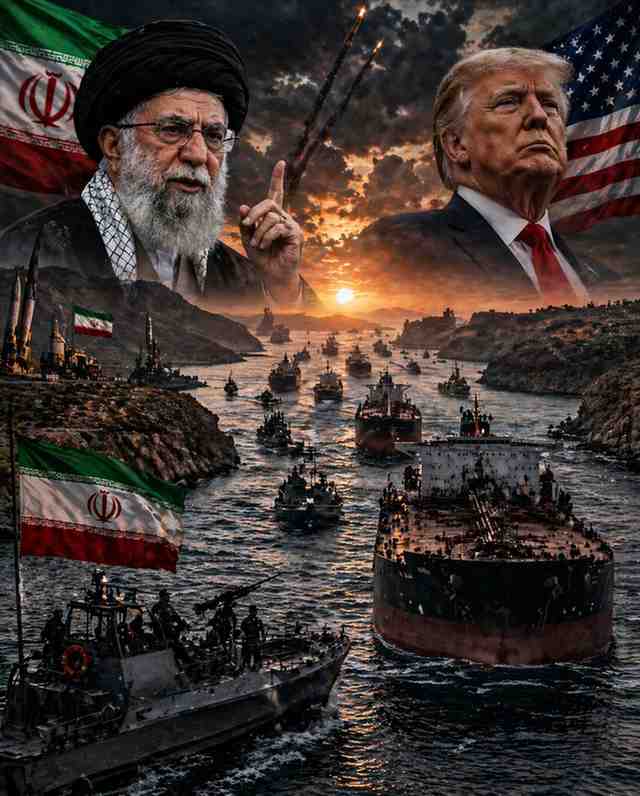
Iran has said reopening the Strait of Hormuz is “impossible” as long as the United States continues its naval blockade of Iranian ports. The statement comes amid rising tensions despite a fragile ceasefire. The development matters globally as the strait is one of the world’s most critical oil shipping routes.
Background and Context
The Strait of Hormuz is a vital maritime corridor through which a large share of global oil and gas supplies pass. Any disruption in this narrow waterway has immediate effects on global energy markets.
Recent conflict between Iran, the United States, and regional actors has led to repeated closures and partial reopenings of the strait. A temporary ceasefire had raised hopes of restoring normal shipping, but disagreements over enforcement measures have kept tensions high.
A major point of conflict is the U.S. naval blockade targeting Iranian ports, which Washington says is aimed at pressuring Tehran economically. Iran, however, views the blockade as a violation of ceasefire terms.
Latest Developments
Iranian officials said that reopening the Strait of Hormuz is not possible under current conditions, directly linking the issue to the ongoing U.S. blockade.
They stated that a ceasefire cannot be considered valid if one side continues economic and military pressure through maritime restrictions.
Iran also warned that continued blockade measures could lead to further escalation, including maintaining or tightening control over the strait.
Shipping in the region remains highly uncertain, with vessels facing delays, security risks, and restrictions on movement.
Why This Matters
The Strait of Hormuz is essential for global energy supply. Any continued disruption can lead to rising oil prices and economic instability worldwide.
Iran’s stance reduces the chances of immediate normalization of shipping routes, even if a ceasefire is technically in place.
The situation also highlights the difficulty of balancing military pressure with diplomatic efforts.
For countries like Canada and others dependent on stable fuel imports, prolonged disruption could result in higher costs and inflation.
What Happens Next
Diplomatic efforts are likely to continue through intermediaries, with pressure on both sides to reach a workable agreement.
The United States may maintain or adjust its blockade strategy depending on negotiations.
Iran’s next steps will depend on whether it sees changes in U.S. actions or progress in talks.
Global markets and shipping companies will closely monitor developments in the strait.
Conclusion
Iran’s statement that reopening the Strait of Hormuz is “impossible” under a continued U.S. blockade underscores the fragile state of the ceasefire and ongoing tensions.
With both sides holding firm positions, the future of one of the world’s most important energy routes remains uncertain.