

Opening Summary
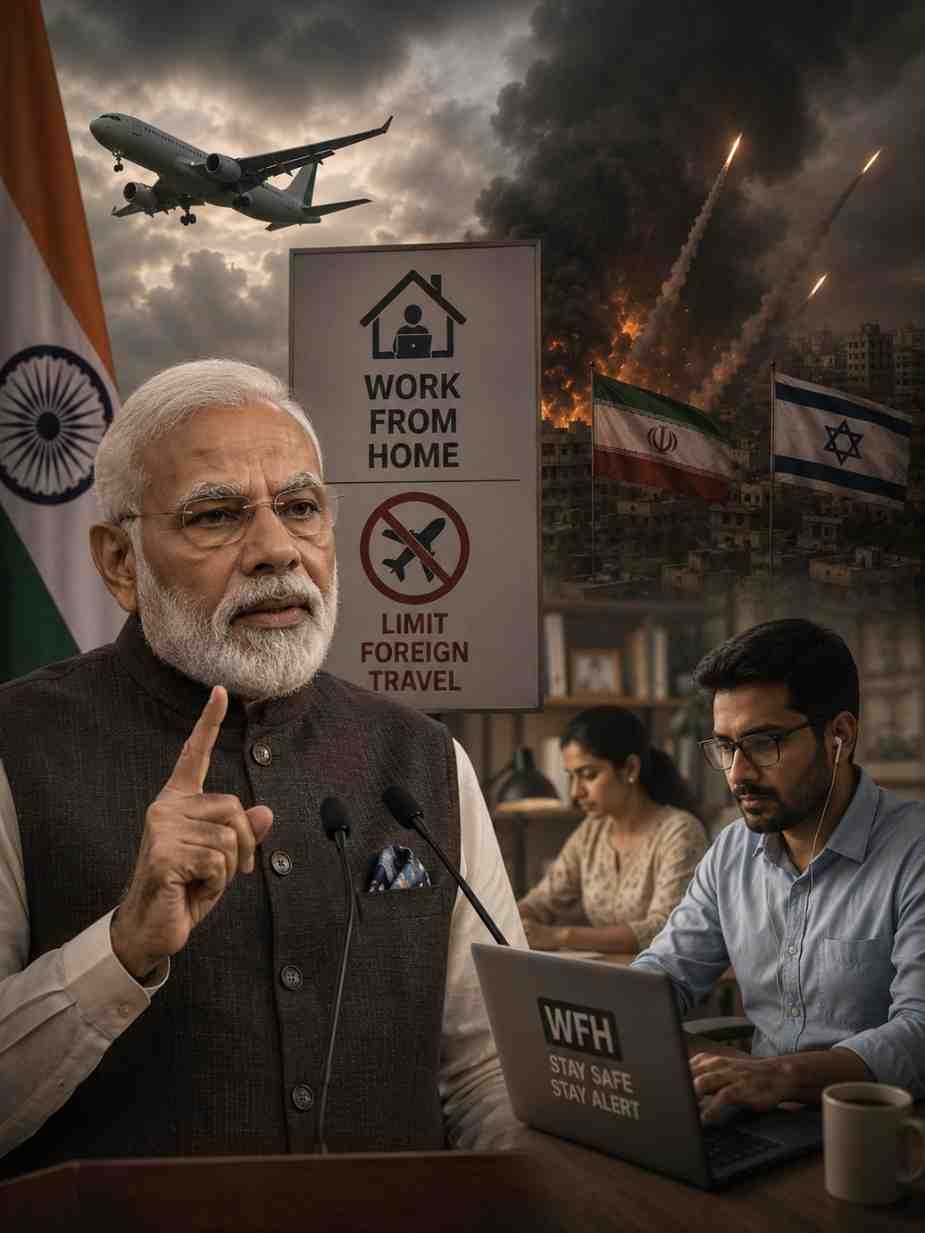
Indian Prime Minister Narendra Modi has urged citizens to adopt work-from-home practices, reduce fuel consumption, and postpone non-essential foreign travel as the ongoing Iran conflict continues to impact global energy markets. The appeal comes amid rising oil prices and growing pressure on India’s foreign exchange reserves. The development matters nationally as it could affect daily life, travel, and the country’s economic stability.
Background and Context
India imports a large portion of its crude oil and natural gas requirements, making the country highly sensitive to global energy disruptions.
The ongoing conflict in the Middle East, especially around the Strait of Hormuz, has led to sharp increases in oil prices and concerns over supply security.
As fuel costs rise, India faces pressure on its currency, trade balance, and foreign exchange reserves.
The government has been exploring ways to reduce energy consumption and manage economic risks linked to the crisis.
Latest Developments
Prime Minister Narendra Modi called on Indians to revive work-from-home arrangements wherever possible in order to reduce unnecessary fuel consumption.
He also advised citizens to postpone non-essential foreign travel, including vacations and destination weddings, as part of a broader effort to conserve foreign exchange.
In addition, Modi encouraged greater use of public transport, carpooling, and electric vehicles to reduce dependence on imported fuel.
Officials said the appeal is part of a wider national strategy aimed at protecting the economy from the impact of global energy instability.
Why This Matters
Modi’s appeal reflects growing concern over how global conflict is affecting India’s economy.
Reduced fuel use and lower foreign exchange spending could help India manage rising import costs and stabilize economic pressure.
For citizens, the recommendations could influence work culture, travel plans, and consumer spending in the months ahead.
The move also highlights how international conflicts can directly impact domestic economic policy.
What Happens Next
Government departments and private companies may review flexible work arrangements in response to the appeal.
Economic agencies will continue monitoring fuel prices, currency movement, and import costs.
Further policy steps may be introduced if energy prices remain elevated.
Conclusion
Prime Minister Narendra Modi’s call for Indians to work from home and limit foreign travel shows how seriously the government is responding to the economic impact of the Iran conflict.
As energy prices remain volatile, India’s next economic and policy decisions will be closely watched.