

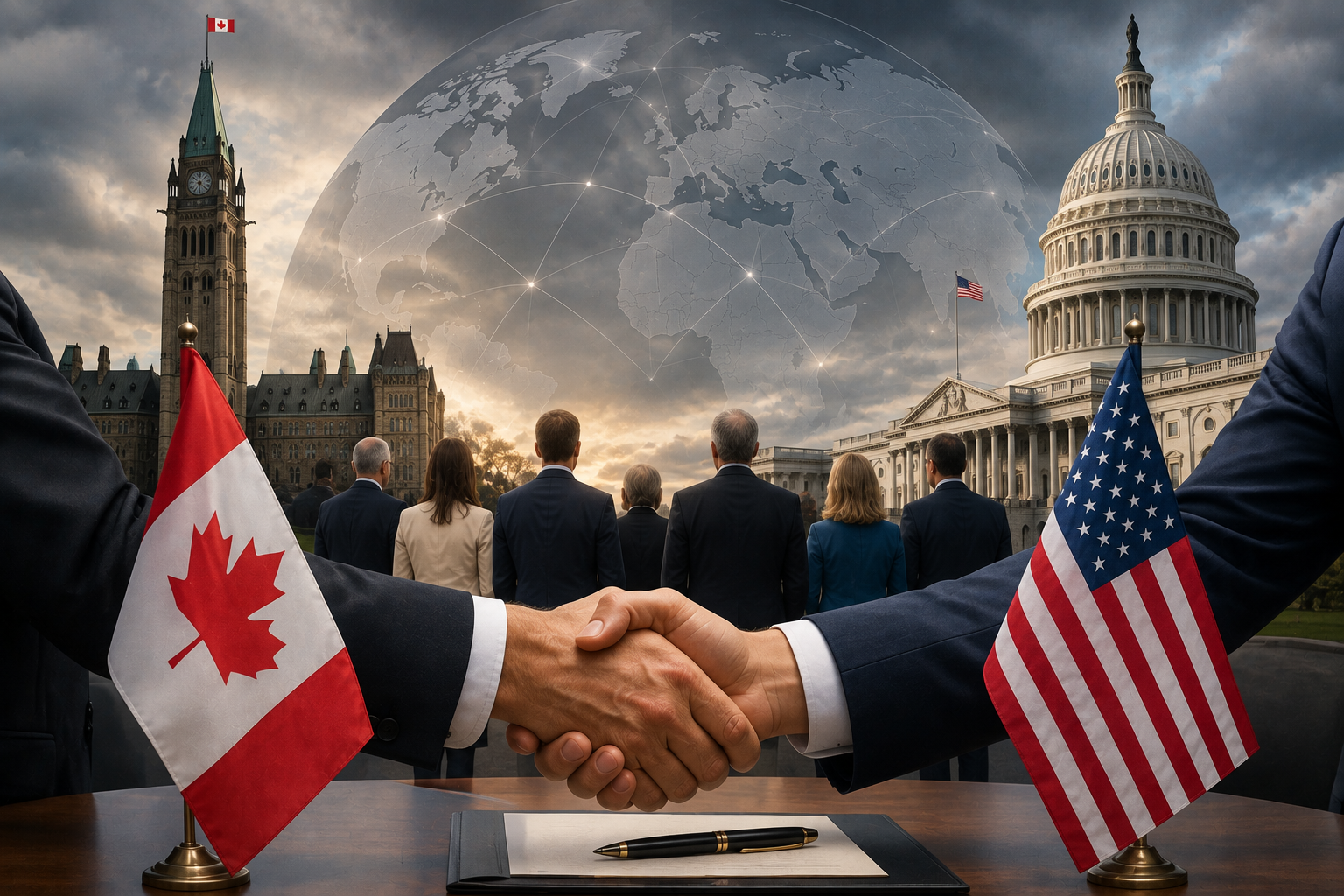
Premiers Express Cautious Optimism as Canadian and American Negotiators Work Toward a Deal Before the Extended Tariff Deadline
Summary
Canada-U.S. Trade Minister Dominic LeBlanc is returning to Washington for another round of negotiations with U.S. Trade Representative Jamieson Greer as both countries work to finalize a trade agreement and prevent another round of punitive American tariffs on Canadian goods. The talks come after the United States agreed to delay threatened 50 per cent tariffs, giving negotiators additional time to reach an agreement.
Several Canadian premiers have expressed optimism about the direction of the negotiations, although some have cautioned that important details remain unresolved. Prime Minister Mark Carney has also been working with provincial leaders as Ottawa seeks a deal that protects Canadian industries and preserves access to the U.S. market.
LeBlanc Heads Back to Washington
LeBlanc is scheduled to meet Greer again Thursday, accompanied by Canada’s Chief Trade Negotiator Janice Charette. The meeting follows talks between the two officials on Wednesday, which they described as making significant progress toward an agreement.
The repeated meetings reflect the urgency surrounding the negotiations. Both governments are trying to settle key issues before the extended deadline for additional U.S. tariffs.
Canadian officials have said their priority is to secure relief from existing sectoral tariffs while preventing the new measures from taking effect.
Trump Delays New Tariffs
U.S. President Donald Trump announced a three-day pause on the 50 per cent tariffs that had been scheduled to hit a range of Canadian products. The decision came after Canadian and American officials reported progress in their negotiations.
The threatened tariffs would affect about $20 billion worth of Canadian exports, adding further pressure on businesses already dealing with tariffs on sectors including automobiles, steel and aluminum.
The delay has provided negotiators with additional time, but officials on both sides acknowledge that important issues still need to be resolved.
Premiers Show Cautious Optimism
Several provincial premiers have welcomed signs of progress in the talks.
Some have expressed confidence that Ottawa could secure a deal that reduces the impact of U.S. tariffs and provides greater certainty for Canadian businesses. Others, particularly Quebec Premier Christine Fréchette, have urged caution and said they need more information about the terms being discussed.
Fréchette has specifically raised concerns about protecting Quebec’s dairy and forestry industries and has resisted immediately changing provincial restrictions on U.S. alcohol imports.
Possible Tariff Reductions Under Discussion
Reports indicate that Washington is considering significant reductions in some existing tariffs as part of a potential agreement.
Proposed terms could reduce U.S. tariffs on Canadian-built automobiles from 25 per cent to 15 per cent, while tariffs on Canadian steel and aluminum could fall from 50 per cent to 25 per cent. The details remain under negotiation and have not been formally finalized.
Canada is also seeking to protect its supply-managed dairy sector while addressing American demands for greater access to Canadian markets.
Provinces Face Pressure Over U.S. Alcohol
One of Washington’s key demands involves Canadian restrictions on American alcohol products.
Carney has encouraged provinces to consider restoring access to U.S. alcohol products, but the federal government does not have the authority to force provinces to change their individual policies. Quebec, in particular, has indicated that it will make its own decision on the matter.
The issue has become part of the wider negotiations because the Trump administration views provincial restrictions as an obstacle to fair trade.
Businesses Await Certainty
Canadian manufacturers, farmers, exporters and other businesses are watching the talks closely. A successful agreement could reduce tariff costs and provide companies with greater certainty when planning production, investment and hiring.
However, another breakdown in negotiations could expose Canadian exporters to substantially higher duties and renewed economic uncertainty.
Conclusion
Canada’s return to high-level trade negotiations in Washington comes at a crucial moment for the country’s economy. Dominic LeBlanc and Jamieson Greer are working to finalize a deal after both sides reported meaningful progress, while Canadian premiers have offered varying degrees of optimism.
The temporary delay in U.S. tariffs gives Ottawa and Washington additional time to resolve their remaining differences. Whether negotiators can turn the recent progress into a final agreement will determine the next stage of Canada-U.S. trade relations and the tariff burden faced by Canadian businesses.