

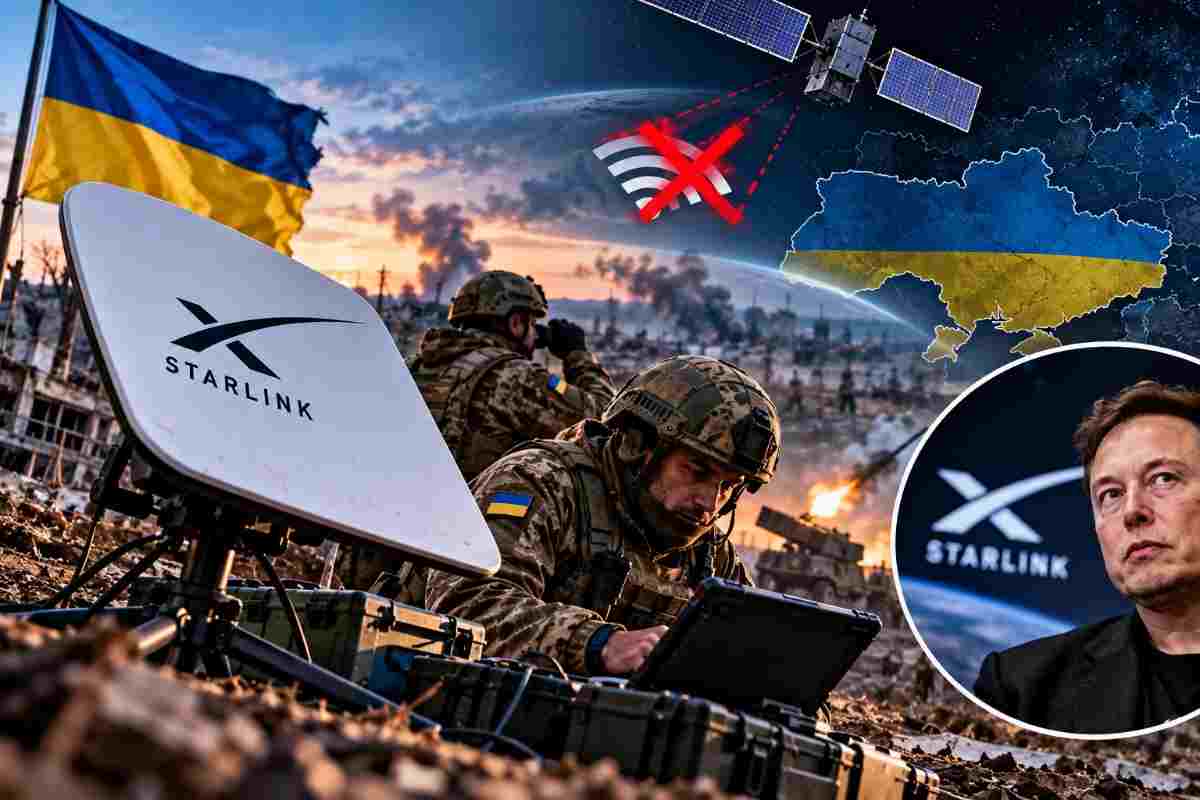
Ukraine says unexpected speed restrictions on SpaceX’s satellite communications system have disrupted military drone missions, raising concerns about Kyiv’s reliance on privately operated technology during the war with Russia.
Ukraine has reported disruptions to its military operations after SpaceX introduced restrictions affecting the use of its Starlink satellite communications system, Ukrainian officials said on Wednesday, October 14, 2026. The changes reportedly affected military-grade terminals used to maintain connectivity with drones operating at high speeds, leading to interruptions in several missions.
Ukrainian presidential adviser Serhiy Beskrestnov said the country’s defence forces had not received advance warning about the restrictions. Military personnel reported connection failures during drone flights, while Ukrainian officials said the disruptions had complicated operations along the front line. SpaceX had not publicly commented on the reported restrictions at the time of publication.
Starlink Restrictions Affect Military Drone Missions
According to Ukrainian officials, the restrictions affect the military-grade Starshield service associated with Starlink communications. The system provides satellite connectivity that can help operators control drones and maintain communications in areas where conventional networks are unavailable or unreliable.
Beskrestnov said the changes had disrupted several military missions because Ukrainian forces were not informed beforehand. A source associated with Ukraine’s 7th Rapid Reaction Corps also confirmed interruptions affecting operations in the southeastern part of the country.
The reported restrictions apply to terminals moving at speeds exceeding approximately 160 kilometres per hour, or 100 miles per hour. Ukrainian military personnel said connections could drop for around 10 to 20 seconds when some drones travelled at speeds slightly above the threshold.
Such interruptions can create operational difficulties when a drone depends on a continuous communications link. Even a temporary loss of connectivity may make it harder for an operator to control a vehicle accurately or complete an assigned mission.
Why Starlink Is Important to Ukraine’s Military
Starlink has played an important role in Ukraine’s communications infrastructure since Russia launched its full-scale invasion in February 2022.
The satellite network has helped military units maintain contact across dispersed positions, coordinate movements and exchange information in areas where terrestrial communications infrastructure has been damaged or destroyed.
Its relatively rapid deployment has also made it useful for units operating in remote locations. Satellite connectivity can provide communications when conventional mobile networks are unavailable, although its performance depends on equipment, operating conditions and the availability of service.
Ukraine has increasingly incorporated unmanned aerial vehicles into its military operations. Drones are used for reconnaissance, battlefield observation, logistics and strikes against military targets.
For certain missions, reliable communications are essential to maintaining control of an aircraft during flight. The reported Starlink restrictions have therefore raised concerns about whether existing systems can continue to support every type of operation under changing technical conditions.
Ukraine Seeks Clarification From SpaceX and International Partners
Ukraine’s Defence Ministry has begun contacting SpaceX, the United States and NATO partners to discuss the restrictions and assess their operational consequences.
Ukrainian officials are also examining alternative communications channels that could help military units maintain connectivity if further disruptions occur.
The discussions reflect a wider challenge for Ukraine: maintaining reliable battlefield communications while depending partly on technology operated by a private company outside the country’s direct control.
Developing alternative systems could reduce the consequences of service interruptions, but replacing an established satellite network requires equipment, funding, technical integration and time.
Ukrainian authorities have not publicly established a complete picture of the restrictions’ effects across every military unit. The reported disruptions have been confirmed by officials and military sources, but the full operational impact remains uncertain.
Restrictions Emerge Amid Strained US-Ukraine Relations
The Starlink development comes during a period of heightened tension between Kyiv and Washington over the direction of the war and the future of American support for Ukraine.
US President Donald Trump has called on Ukraine to stop attacks on Russian oil refineries, linking the issue to wider concerns about energy prices and the conflict’s economic consequences. Washington’s approach to military assistance and intelligence cooperation has also become a significant concern for Ukrainian officials.
The timing of the Starlink restrictions has prompted speculation in Ukraine about whether the decision could be connected to these political tensions. Beskrestnov questioned whether the change was coincidental.
However, no public evidence had established that the restrictions were imposed as a political measure or at the direction of the US government. SpaceX had not publicly explained the decision when the reports emerged. The timing alone does not establish a connection between the technical change and diplomatic pressure.
The distinction is important because a technical restriction, a commercial service decision and a government-directed action would have different implications for Ukraine’s security and its relationship with international partners.
Concerns Over Dependence on Private Satellite Technology
The latest disruption has renewed debate about the risks of relying on commercially operated communications networks during a major international conflict.
Private satellite services can be deployed quickly and provide capabilities that would otherwise be difficult or expensive to establish. However, service providers retain control over their systems and may introduce technical restrictions, operational policies or other changes.
For a country using such services in military operations, an unexpected change can create difficulties if alternative communications systems are not immediately available.
Ukraine’s experience may also influence discussions among other governments about communications resilience, military procurement and the need for backup infrastructure.
Maintaining several independent communications options could help reduce reliance on a single provider. However, alternative systems must be sufficiently secure, reliable and compatible with equipment already used by military personnel.
What Happens Next?
Ukrainian officials are working with international partners and SpaceX to understand the restrictions and identify possible solutions.
The immediate priorities include determining which terminals and operations are affected, restoring reliable communications where possible and assessing backup systems for missions that require uninterrupted connectivity.
The situation also highlights the importance of clear communication between technology providers and organisations that depend on their services in high-risk environments.
Until SpaceX provides a fuller explanation and Ukraine completes its assessment, questions remain about the reasons for the restrictions, their intended scope and whether additional changes could follow.
Conclusion
The reported Starlink restrictions have exposed a potential vulnerability in Ukraine’s military communications network, with officials saying unexpected connectivity interruptions disrupted several drone missions.
The development is significant because satellite communications have become an important part of Ukraine’s ability to coordinate operations across a battlefield where conventional infrastructure is frequently damaged.
Kyiv is now seeking clarification from SpaceX and international partners while examining alternative communications channels. Although the timing has raised questions amid strained US-Ukraine relations, there is no publicly established evidence that the restrictions were politically motivated.
The next steps will depend on the technical explanation for the changes, the extent of the disruptions and Ukraine’s ability to maintain dependable communications if existing services become more limited.