

Opening Summary
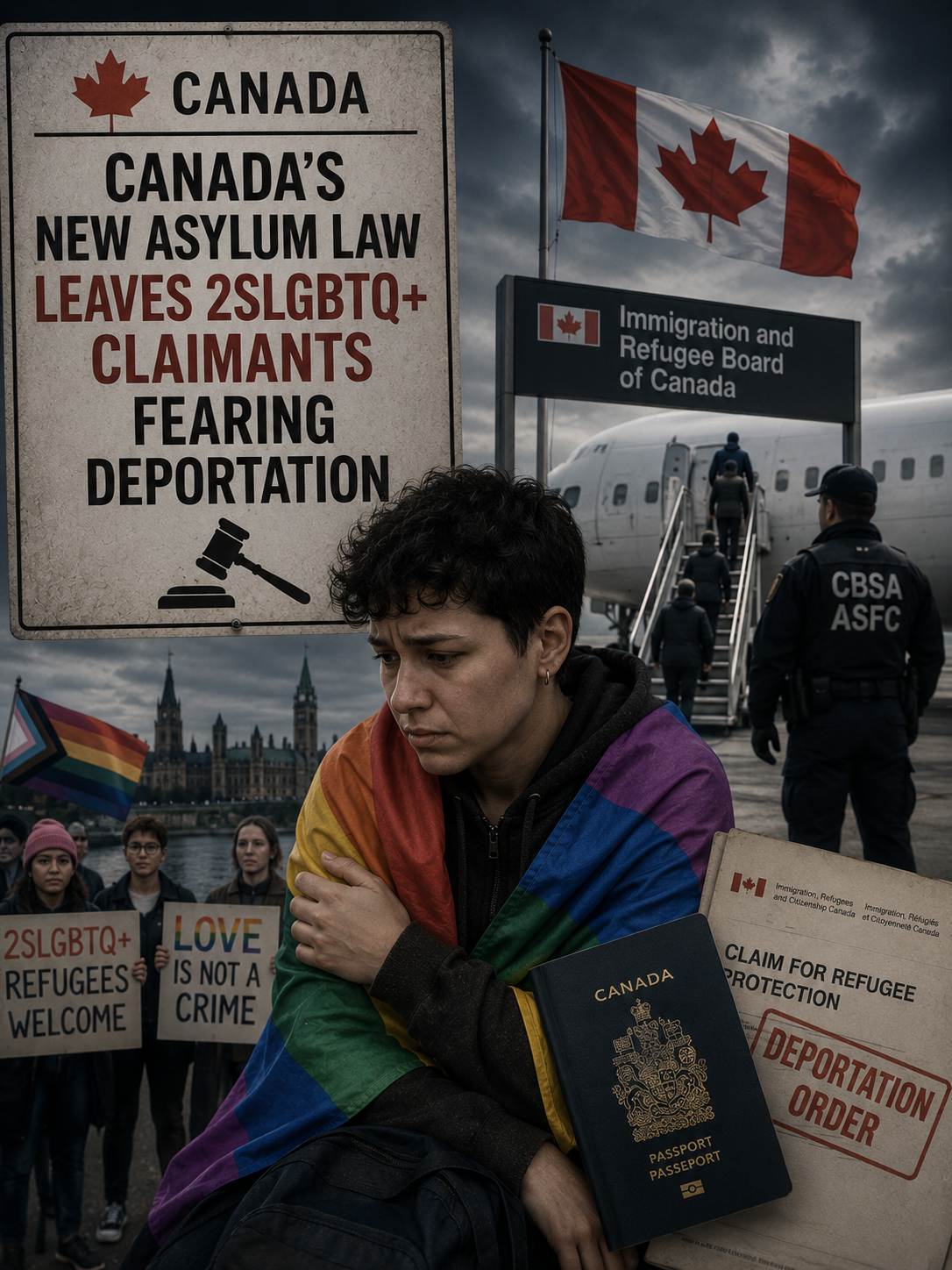
Canada’s new asylum law is raising concerns among 2SLGBTQ+ refugee claimants, with many fearing the changes could increase the risk of deportation. Advocacy groups and legal experts say the policy may create new barriers for vulnerable individuals seeking protection. The development matters nationally as it affects immigration policy, human rights, and refugee protections.
Background and Context
Canada has long been viewed as a destination for refugees fleeing persecution, including individuals facing discrimination or violence due to sexual orientation or gender identity.
Under Canadian asylum laws, claimants must demonstrate a credible fear of persecution in their home countries in order to receive protection.
Recent immigration reforms were introduced to speed up asylum decisions, reduce backlogs, and strengthen border controls.
However, critics argue that faster processing timelines and stricter documentation requirements may disproportionately affect vulnerable groups, including 2SLGBTQ+ individuals who may already face challenges gathering evidence or safely disclosing their identities.
Latest Developments
Advocacy organizations say the new asylum rules are causing anxiety among 2SLGBTQ+ claimants, with some worried they may not have enough time or support to present their cases properly.
Legal experts have warned that stricter deadlines and procedural changes could increase the risk of denied claims and possible deportation.
Some refugee support groups are calling on the federal government to introduce additional safeguards for claimants facing identity-based persecution.
Government officials maintain that the reforms are designed to improve efficiency while continuing to protect those genuinely in need of asylum.
Why This Matters
The issue raises important questions about how immigration systems protect vulnerable individuals while managing growing asylum applications.
For 2SLGBTQ+ claimants, deportation can mean returning to countries where they may face violence, imprisonment, or discrimination.
The debate also touches on Canada’s international reputation for human rights and refugee protection.
Legal and advocacy groups say ensuring fairness and accessibility in asylum processes remains critical.
What Happens Next
Advocacy organizations may challenge parts of the new law or push for amendments and additional protections.
Immigration officials are expected to monitor how the reforms affect different claimant groups.
The federal government may face growing political and public pressure if concerns continue.
Conclusion
Canada’s new asylum law has sparked fear and uncertainty among 2SLGBTQ+ refugee claimants, raising concerns about access to protection and the risk of deportation.
As the policy is implemented, the balance between immigration efficiency and human rights protections will remain under close scrutiny.