

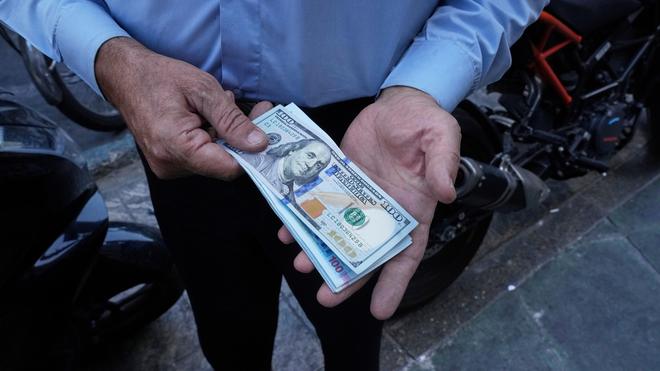
Iran’s economy came under renewed pressure this week as the rial plunged to a new historic low, driven by tightening nuclear-related sanctions and a worsening outlook for foreign currency reserves. Traders in Tehran reported sharp fluctuations across exchange markets, with the rial losing further value against major currencies despite government attempts to stabilize rates.
Analysts say the latest drop reflects growing concern over Iran’s limited access to international banking channels, reduced oil revenues, and mounting uncertainty surrounding stalled nuclear negotiations. Sanctions have increasingly choked off Iran’s ability to repatriate funds from overseas sales, limiting the central bank’s capacity to intervene effectively.
Local businesses report rising costs for imported goods, especially essential commodities and industrial materials. Small traders warn that the volatility is making pricing unpredictable, hurting manufacturers who rely on stable supply chains. Residents in several cities say the cost of daily necessities — from food staples to medicine — has climbed steadily as the currency weakens.
The government has attempted to reassure the public, urging people not to engage in panic buying and warning currency dealers against “market manipulation.” Officials insist they are exploring new financial channels with regional partners to maintain trade, but economic observers note that alternative systems offer only partial relief compared to global banking access.
Economists say the falling currency is also feeding inflationary pressure, worsening an already fragile domestic situation. Iran’s inflation rate remains among the highest in the region, and further depreciation could push millions deeper into economic hardship.
Meanwhile, political tensions have risen as critics accuse the government of failing to manage the crisis. Hardline factions blame foreign interference, while reformists argue that diplomatic isolation is exacting a heavy price on ordinary citizens.
With sanctions unlikely to ease in the near term, the rial’s decline has fueled growing uncertainty about Iran’s economic stability. For now, financial markets appear braced for continued turbulence — and households across the country are preparing for more difficult months ahead.