
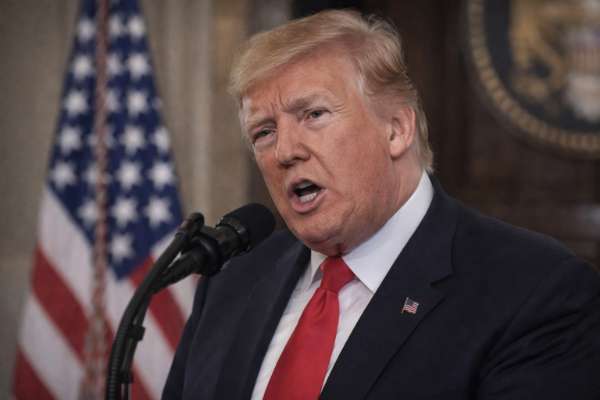
Former U.S. President Donald Trump has issued a stark warning to Iran, saying the United States would intervene if Iranian authorities kill protesters, as reports of unrest and crackdowns continue to emerge from the country. The statement adds fresh tension to already strained U.S.–Iran relations and places international focus once again on Iran’s handling of domestic dissent.
Speaking at a public event, Trump said the world was watching how Tehran responds to protests and cautioned Iranian leaders against using lethal force. “If protesters are killed, there will be consequences,” he said, framing the issue as both a human rights concern and a matter of international responsibility. While Trump did not specify what form U.S. intervention might take, his remarks were interpreted as a warning of diplomatic, economic, or potentially broader action.
Iran has faced periodic waves of protests in recent years, driven by economic hardship, political restrictions, and social grievances. Security forces have often responded with mass arrests and force, drawing condemnation from Western governments and human rights organizations. Tehran maintains that protests are being incited by foreign actors and insists it is acting to preserve national security.
Analysts say Trump’s warning is likely aimed at increasing pressure on Iran’s leadership while also appealing to his domestic political base, which has favored a hard line against Tehran. However, critics argue that vague threats risk escalating tensions without offering a clear diplomatic pathway.
The Biden administration has not commented directly on Trump’s remarks, but U.S. officials have previously urged Iran to respect the right to peaceful protest and warned against violence toward civilians. European governments have echoed those calls, urging restraint and accountability.
For now, Trump’s statement has added another layer of uncertainty to an already volatile situation. Whether it leads to concrete action or remains rhetorical will depend on developments inside Iran and how the international community responds if protests intensify further.