

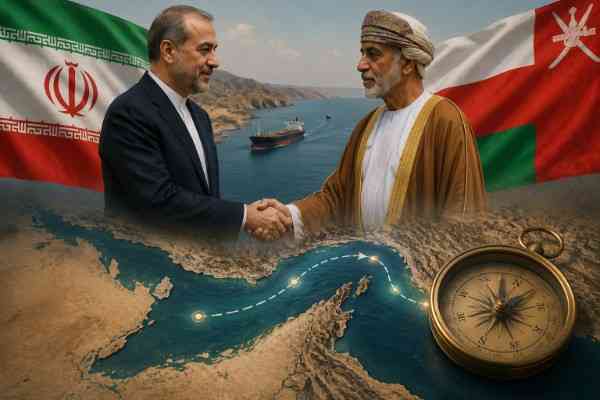
Tehran Says Joint Statement Nears Completion as Both Countries Advance Maritime Navigation Agreement
Summary
Iran and Oman have reached an understanding on the geographic coordinates of a new shipping route through the Strait of Hormuz, according to Iran’s Foreign Ministry. Officials said the agreement represents a significant step toward improving navigation through one of the world’s busiest energy corridors, with a joint statement between the two countries now in its final stages.
Iranian authorities said the agreement could help organize maritime traffic more effectively while enhancing safety and coordination in the strategically important waterway. However, officials cautioned that the arrangement still depends on the successful completion of final procedures and the absence of outside interference.
Route Coordinates Finalized
Iranian Foreign Ministry spokesperson Esmaeil Baghaei announced that negotiators from Iran and Oman had agreed on the geographic coordinates of the proposed navigation route through the Strait of Hormuz after a series of technical and diplomatic discussions.
According to Baghaei, both governments are now preparing a joint announcement that will formally outline the agreement once the remaining procedural steps are completed.
Strait of Hormuz Remains Strategically Vital
The Strait of Hormuz is one of the world’s most important maritime chokepoints, carrying a significant share of global crude oil and liquefied natural gas exports. Any disruption to shipping through the narrow passage can have immediate effects on international energy markets and global trade.
Recent military tensions and concerns over commercial shipping have increased international attention on efforts to improve navigation and reduce security risks in the region.
Oman Continues Its Mediation Role
Oman has played a central diplomatic role in facilitating discussions with Iran on regional security and maritime cooperation. Officials from both countries have described the negotiations as constructive and professional, reflecting Muscat’s long-standing role as a mediator in regional affairs.
The proposed arrangement is expected to improve coordination over vessel movements while supporting safer navigation through the strategically sensitive waterway.
Security Challenges Remain
Despite the progress, Iranian officials stressed that an agreement on shipping routes alone would not guarantee long-term security in the Strait of Hormuz. They noted that broader regional stability will depend on continued diplomatic engagement and efforts to reduce military tensions.
Analysts also caution that the implementation of the agreement will require cooperation from regional and international stakeholders to ensure uninterrupted commercial navigation.
Global Markets Closely Monitoring Developments
Energy markets and international shipping companies are closely watching the negotiations, as any improvement in navigation through the Strait of Hormuz could help stabilize global oil supplies and reduce uncertainty in international trade.
Governments across the region have welcomed continued diplomatic efforts, viewing the latest agreement as a positive step toward lowering tensions in one of the world’s most strategically important waterways.
Conclusion
The agreement between Iran and Oman on the geographic coordinates of a new shipping route through the Strait of Hormuz marks an important diplomatic development amid ongoing regional tensions. While the final joint statement is still being prepared, the understanding reflects growing cooperation between the two neighboring countries to improve maritime navigation and support the safe movement of commercial vessels through one of the world’s busiest energy corridors.