

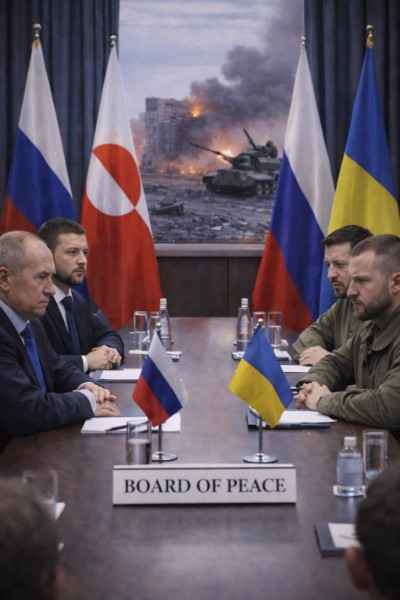
Peace negotiations aimed at ending the Russia–Ukraine war have ended without a breakthrough, even as intense fighting continues along multiple front lines, raising doubts about any near-term diplomatic resolution to the conflict.
Officials involved in the talks said discussions stalled over key disagreements on territorial control, security guarantees, and the sequencing of ceasefire measures. Both sides accused the other of negotiating in bad faith while continuing military operations during the dialogue process.
The breakdown comes amid renewed offensives and counteroffensives, with reports of heavy artillery, missile strikes, and drone attacks across eastern and southern Ukraine. Civilian infrastructure, including energy facilities and residential areas, has continued to be targeted, worsening humanitarian conditions as winter approaches in some regions.
International mediators expressed disappointment over the failure of the talks, warning that the absence of diplomacy could prolong the conflict and deepen instability across Europe. Western allies reiterated their support for Ukraine, while Russia maintained that its military objectives remain unchanged.
Analysts say the collapse of peace efforts reflects deep mistrust between the parties and significant gaps in their positions, particularly on Crimea and occupied territories. Experts also note that domestic political pressures in both countries are limiting flexibility at the negotiating table.
The United Nations and humanitarian agencies warned that continued fighting will further strain aid operations, displace more civilians, and increase the risk of regional spillover. Calls for a renewed ceasefire and fresh diplomatic initiatives have grown, but there is little sign of immediate progress.
As hostilities escalate, the end of the latest peace talks underscores the enduring challenges of resolving the conflict and the uncertain path toward any sustainable peace agreement.