

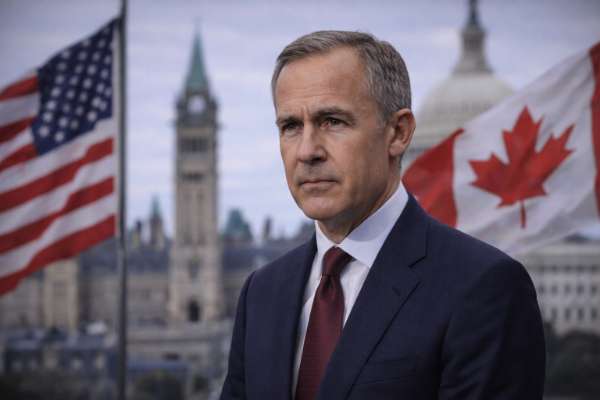
Canadian Prime Minister Mark Carney has said Canada has no intention of pursuing a free trade agreement with China, following U.S. President Donald Trump’s threat to impose sweeping tariffs over Ottawa’s engagement with Beijing.
Speaking after the U.S. warning, Carney stressed that while Canada will continue to trade with China, a comprehensive free trade deal is not on the government’s agenda. He said Canada’s trade policy remains focused on protecting national interests, strengthening ties with trusted partners, and ensuring economic and security considerations are aligned.
The statement comes amid heightened tensions with Washington, after Trump accused Canada of undermining U.S. interests by deepening economic ties with China and warned of potential 100% tariffs on Canadian goods. Ottawa’s clarification appears aimed at easing pressure from its largest trading partner while reaffirming sovereignty over its trade decisions.
Canadian officials noted that China is an important global market, but relations remain complex due to concerns over human rights, national security, and market access. Analysts say Ottawa is walking a tightrope, seeking to diversify trade while avoiding a major rupture with the United States.
Business groups warned that escalating rhetoric and tariff threats could disrupt supply chains, raise costs for consumers, and hurt exporters in sectors such as energy, agriculture, and manufacturing. Some economists said the episode highlights Canada’s vulnerability to geopolitical pressure given its deep dependence on the U.S. market.
The government has reiterated its commitment to the USMCA trade framework and to strengthening partnerships with Europe, Indo-Pacific allies, and emerging markets. Officials said Canada will continue engaging China on specific economic and climate issues, but without moving toward a broad free trade pact.
Carney’s remarks underline Ottawa’s effort to balance economic diversification with alliance management, as global trade becomes increasingly shaped by strategic competition and political pressure.