

Opening Summary
Russian strikes near the northeastern Ukrainian city of Kharkiv have killed at least four people, including children, Ukrainian officials said. The attack targeted civilian areas close to the Russian border and has renewed concerns over the safety of residents in frontline regions. The incident matters as fighting continues to intensify around Kharkiv, one of Ukraine’s largest cities.
Background and Context
Kharkiv, Ukraine’s second-largest city, has been a frequent target since the start of Russia’s full-scale invasion in February 2022. Located less than 40 kilometres from the Russian border, the region has faced repeated missile, drone, and artillery attacks.
While Ukrainian forces pushed Russian troops away from the city in late 2022, Moscow has continued long-range strikes on surrounding towns and villages. These attacks have often hit residential neighbourhoods, energy infrastructure, and public facilities.
In recent months, Russia has stepped up pressure in northeastern Ukraine, with officials in Kyiv warning of a renewed offensive aimed at stretching Ukrainian defences. Kharkiv region, along with Sumy and Donetsk, has been central to that strategy due to its geographic position and transport links.
Ukraine has repeatedly accused Russia of deliberately targeting civilians, a claim Moscow denies. International observers, including the United Nations, have documented widespread damage to civilian infrastructure since the war began.
Latest Developments
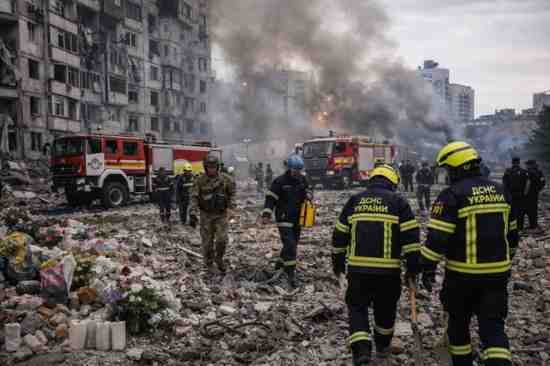
Ukrainian regional authorities said the latest strike hit a settlement near Kharkiv early in the day, damaging homes and causing fires. Four people were confirmed dead, including children, while several others were injured.
Emergency services were deployed to the area to search for survivors and extinguish fires. Images released by local officials showed destroyed houses, shattered windows, and debris scattered across residential streets.
Ukraine’s President Volodymyr Zelenskyy condemned the attack, calling it another example of Russia’s continued assault on civilians. In a statement, he said Ukraine would continue to press allies for stronger air defence support to protect cities near the front lines.
The Ukrainian military said the strike involved guided aerial bombs or missiles, though a full assessment is still under way. Authorities did not immediately say what weapon system was used.
Russian officials have not commented directly on the incident. Moscow has consistently said its forces target military objectives and deny intentionally striking civilians.https://newsbee.ca/2026/02/08/ottawa-toronto-remain-under-cold-warning-as-deep-freeze-grips-ontario/
Why This Matters
The deaths of children in the Kharkiv region highlight the ongoing humanitarian cost of the war, even as global attention shifts between different fronts. Civilian casualties remain a major concern for Ukraine and its international partners.
For Europe and NATO allies, including Canada, continued strikes near Kharkiv underline the urgency of Ukraine’s requests for air defence systems and ammunition. Several Western countries have acknowledged delays in military assistance, which Ukrainian officials say have left some regions more vulnerable.
The situation also affects global security and economic stability. Prolonged fighting in Ukraine continues to disrupt food exports, energy markets, and international trade routes. Any escalation near major urban centres increases the risk of wider instability.
From a legal perspective, attacks on civilian areas could have implications for future war crimes investigations. International bodies have already opened multiple inquiries into alleged violations of international humanitarian law in Ukraine.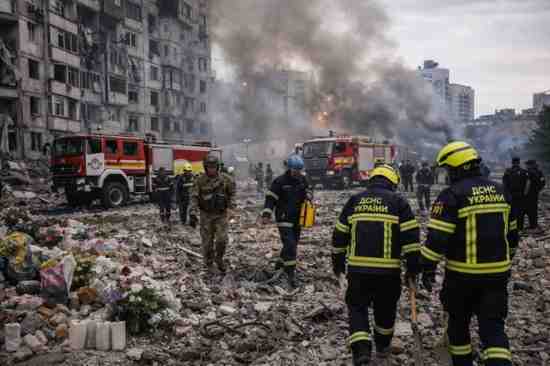
What Happens Next
Ukrainian authorities are expected to provide further details as rescue operations and damage assessments continue. Local officials have urged residents near the border to follow evacuation advisories, though many remain due to limited options or attachment to their homes.
Kyiv is likely to renew diplomatic efforts to secure additional military aid, particularly air defence systems capable of intercepting missiles and guided bombs. Discussions on military support are ongoing among Ukraine’s allies in Europe and North America.
Meanwhile, fighting is expected to continue along multiple fronts as both sides prepare for the coming months. Analysts say northeastern Ukraine will remain under pressure due to its proximity to Russian territory.
International organisations are also expected to monitor the situation closely and may issue updated reports on civilian harm and infrastructure damage in the Kharkiv region.
Conclusion
The deadly Russian strike near Kharkiv, which killed four people including children, underscores the persistent danger facing civilians in Ukraine’s border regions. As the war continues with no immediate end in sight, such incidents reinforce calls for stronger protection of civilians and sustained international engagement.
For Ukraine, the attack is another reminder of the human cost of the conflict. For the global community, it highlights the broader consequences of a war that continues to affect security, stability, and humanitarian conditions far beyond Ukraine’s borders.
Suggested internal link anchor texts:
- Timeline of the Russia–Ukraine war
- Why Kharkiv is strategically important
- How Western military aid supports Ukraine