

Opening Summary
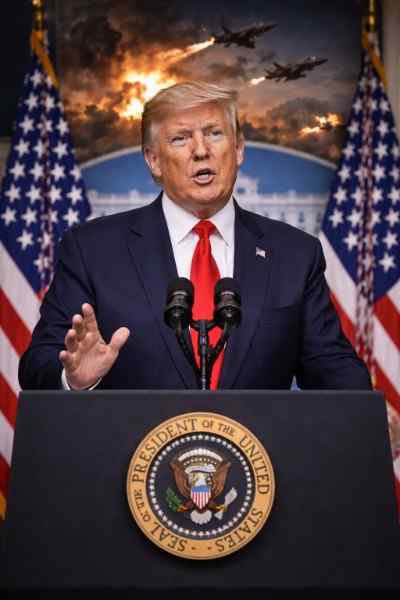
U.S. former President Donald Trump spoke at the White House on Monday, marking his first live address since joint U.S. and Israeli military strikes on Iran began last weekend. The in-person remarks come amid escalating tensions in the Middle East and concerns over a wider regional conflict. The speech matters internationally as global leaders and markets react to evolving U.S. policy and security developments.
Background and Context
The United States and Israel launched coordinated military strikes against Iranian targets earlier this week, marking a significant escalation in tensions between Tehran and Western powers. The strikes followed months of strained relations over Iran’s nuclear programme, regional influence, and breakdowns in indirect diplomatic talks.
Iran responded with retaliatory missile and drone attacks on U.S. and allied military bases across the Middle East, prompting heightened alert levels in several countries. Civilian and political responses have varied widely, with some global leaders calling for restraint while others emphasise defence cooperation with the United States and its partners.
Before Monday’s speech, Trump’s public comments were limited to prerecorded video messages and interviews with individual reporters.
Latest Developments
The address at the White House marked Trump’s first direct public remarks on camera since military operations against Iran began. He reiterated support for the ongoing campaign and framed the strikes as necessary to counter what he described as grave threats to U.S. national security.
Trump said the objective remains to neutralise Iran’s capacity to carry out hostile actions and undermine regional stability. He acknowledged the risks involved and reaffirmed support for troops, noting that sacrifices are possible as operations continue.
The speech came amid intense debate in the United States about the legal basis, scope, and objectives of the military campaign. Republican leaders largely backed the strikes, while some lawmakers, including Democrats, raised concerns about escalation and congressional oversight.
Government briefings have also emphasised tactical and strategic updates from military leaders, clarifying operational priorities and expected risks in the coming days.
Why This Matters
The timing and content of Trump’s White House speech are significant because they help shape domestic and international perception of the U.S. military campaign. Clear communication from the president can influence allied cooperation, public support, and diplomatic engagement.
For Canada and other allies, U.S. actions in the Middle East carry implications for regional security, energy markets, and the safety of citizens abroad. Any escalation could affect international oil prices and trade routes, with knock-on effects for economies and inflation.
Politically, the address highlights divisions within the U.S. government over executive authority, war powers, and the role of Congress in authorising military action. These debates may influence future policy decisions and legislative oversight mechanisms.
What Happens Next
Further military operations and diplomatic efforts are expected in the days ahead. U.S. and allied officials may engage partners to coordinate strategy and share intelligence.
Congressional discussions over war powers and legal mandates could intensify, with potential resolutions or hearings planned to examine the scope and justification of the campaign.
Global diplomatic channels, including the United Nations, are likely to continue efforts to de-escalate tensions and prevent broader conflict.
Public and private briefings will shape international responses and may influence the pace and direction of future negotiations or military actions.
Conclusion
Donald Trump’s first public speech at the White House since the U.S. and Israeli strikes on Iran underscores the gravity of the unfolding situation. By reaffirming U.S. objectives and support for military operations, the address helps define the narrative as tensions remain high.
As the situation evolves, diplomatic, political, and strategic developments will continue to have widespread implications for international security and stability.