

Opening Summary
One crew member from a U.S. fighter jet shot down over Iran has been rescued, according to U.S. media reports, while efforts continue to locate a second crew member. The incident occurred during ongoing military operations in the region. It matters internationally as it marks a rare loss of a U.S. aircraft in hostile territory and signals rising risks in the conflict.
Background and Context
The downing of the U.S. fighter jet comes amid escalating conflict involving Iran, the United States, and Israel. Over recent weeks, military exchanges have intensified, with strikes targeting infrastructure, military bases, and strategic assets across the region.
U.S. aircraft have been heavily involved in operations, including airstrikes and surveillance missions. While the United States has claimed significant control over airspace, the conflict continues to pose risks to pilots and aircraft.
Fighter jets such as the F-15E are typically operated by two crew members, including a pilot and a weapons systems officer. In combat situations, crew members can eject if the aircraft is hit, triggering search and rescue operations.
Combat search and rescue missions are among the most complex military operations, especially when conducted in hostile territory.
Latest Developments
Reports indicate that the U.S. fighter jet was shot down over Iran during active operations. Both crew members were able to eject from the aircraft before it crashed.
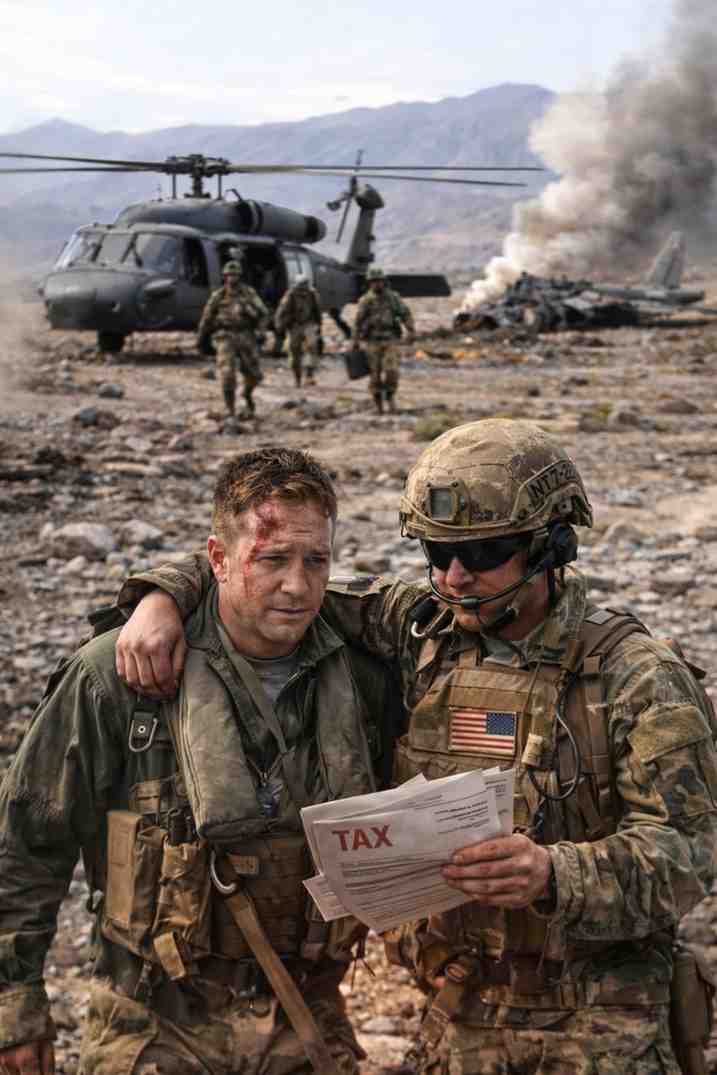
U.S. forces launched a search and rescue mission, successfully locating and rescuing one of the crew members. The condition of the rescued individual has not been officially confirmed.
Efforts are ongoing to locate the second crew member, with military assets deployed in the area to support the operation.
Iranian authorities have also been reported to be searching for the downed crew members, adding urgency and complexity to the situation.
Officials have not yet provided full details about how the aircraft was brought down, though initial reports suggest it may have been hit by Iranian air defence systems.
Why This Matters
The incident highlights the risks faced by military personnel operating in active conflict zones.
The downing of a U.S. fighter jet inside Iran represents a significant escalation and could have broader military and political implications.
Search and rescue missions in hostile territory carry high risk, as forces must operate under the threat of enemy engagement while attempting to recover personnel.
The situation also underscores the uncertainty surrounding control of airspace in the region, despite claims of military dominance.
For the international community, the incident raises concerns about further escalation and the potential for direct confrontations.
What Happens Next
Search operations are expected to continue until the second crew member is located or further information becomes available.
U.S. military officials may release additional details about the incident, including the cause of the crash and the status of the rescue mission.
The event could also influence military strategy and operational planning in the region, particularly regarding air missions over Iranian territory.
Diplomatic tensions may increase depending on how the situation develops.
Conclusion
The rescue of one U.S. crew member after a fighter jet was shot down over Iran marks a significant moment in the ongoing conflict. With a second crew member still missing, attention remains focused on the search efforts and the risks involved.
As the situation unfolds, the incident underscores the growing intensity of the conflict and the challenges faced by military forces operating in contested environments.