

Opening Summary
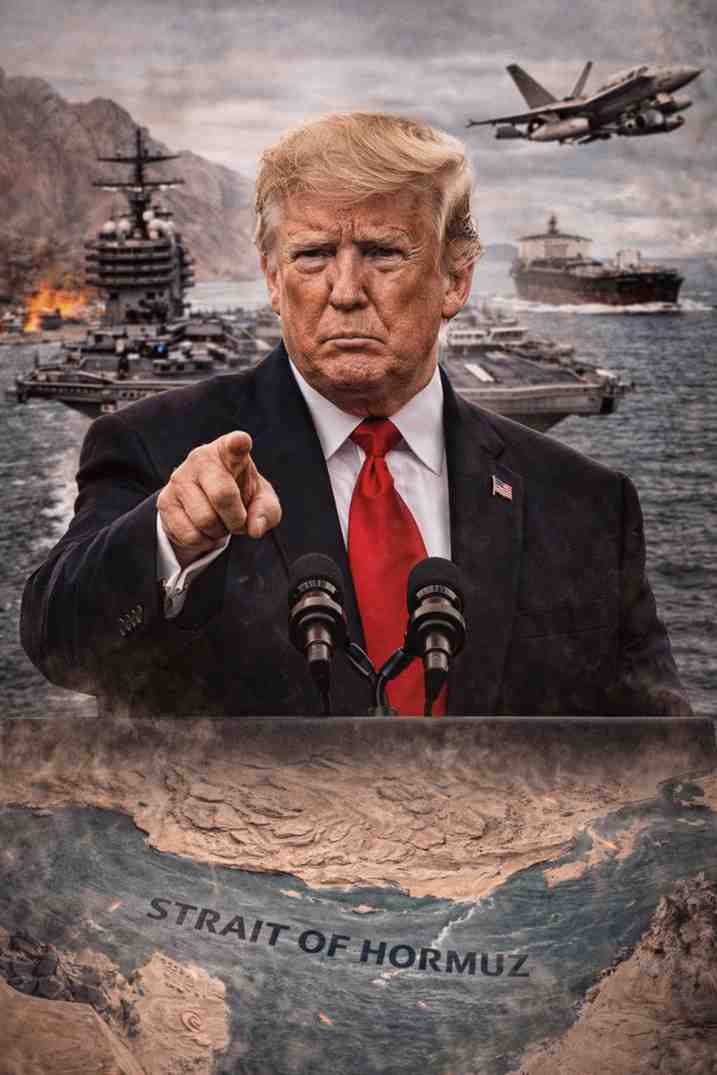
U.S. President Donald Trump said the United States could take control of the Strait of Hormuz “with a little more time” as tensions continue in the ongoing war with Iran. The remarks were made amid disruptions to global oil shipments through the critical waterway. The statement matters internationally because the Strait of Hormuz is essential to global energy supply and economic stability.
Background and Context
The Strait of Hormuz is one of the most strategically important shipping routes in the world, with roughly one-fifth of global oil passing through it under normal conditions.
The ongoing conflict between Iran, the United States, and Israel has led to severe disruptions in the region. Iran has taken steps to restrict or control access to the strait, affecting tanker traffic and raising global energy prices.
The United States and its allies have been exploring options to secure the waterway, including naval operations and diplomatic efforts. However, disagreements among allies about direct military involvement have complicated the response.
The situation has also triggered broader geopolitical concerns, with countries dependent on Middle Eastern oil closely monitoring developments.
Latest Developments
President Donald Trump said the United States could “easily” reopen and take control of the Strait of Hormuz if given more time.
In public statements, Trump suggested that U.S. military capabilities could be used to secure the waterway and restore shipping flows. He also indicated that control of the strait could have economic benefits, referencing access to oil passing through the region.
The comments come as the conflict continues to disrupt maritime traffic and global markets. Tanker movement through the strait has been significantly reduced due to security risks and military activity.
At the same time, U.S. officials have acknowledged that operations to fully secure the strait would require time and carry potential risks.
Why This Matters
The Strait of Hormuz is critical to global energy markets. Any disruption can lead to increased oil prices and economic instability worldwide.
Trump’s statement reflects a more assertive U.S. stance on securing the waterway, potentially signaling readiness for expanded military operations.
However, taking control of the strait would be a complex undertaking involving significant military resources and potential escalation with Iran.
For countries like Canada and others dependent on stable energy supplies, continued disruption in the strait can lead to higher fuel costs and broader economic effects.
What Happens Next
The United States and its allies are expected to continue evaluating military and diplomatic options to address the situation in the Strait of Hormuz.
Further military operations may be considered if shipping disruptions persist, though such actions could increase tensions in the region.
Diplomatic efforts may also continue as governments seek to reduce conflict and restore safe passage through the waterway.
Global markets and energy sectors will closely monitor developments as the situation evolves.
Conclusion
President Donald Trump’s claim that the United States could take control of the Strait of Hormuz with more time highlights the strategic importance of the waterway amid ongoing conflict.
As tensions remain high, the balance between military action and diplomatic solutions will play a key role in determining the future of one of the world’s most critical energy corridors.