

Opening Summary
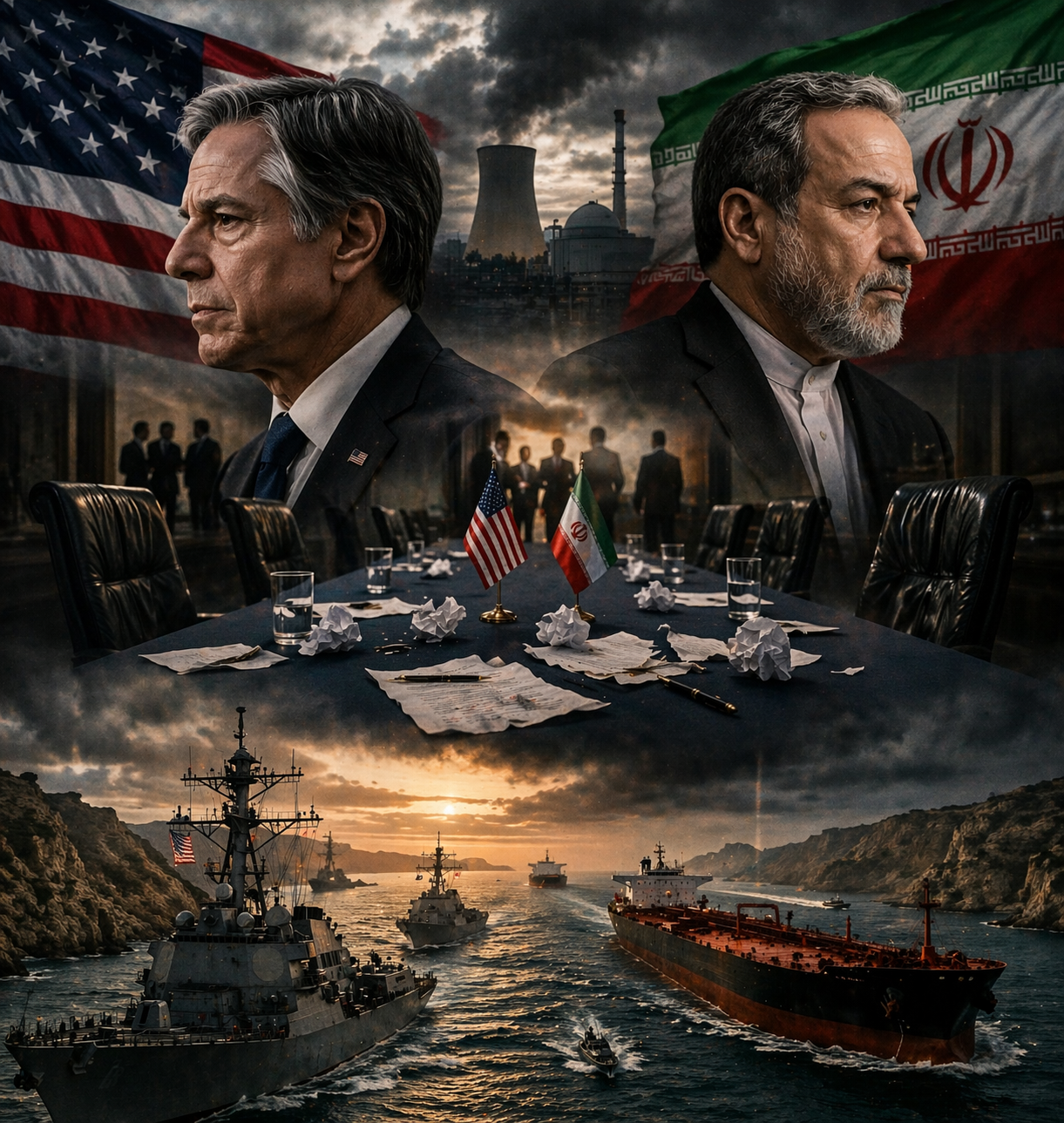
Peace talks between the United States and Iran have failed to produce an agreement after high-level negotiations, with Washington presenting what it described as a “final offer.” The breakdown comes amid an ongoing conflict and a fragile ceasefire in the region. The development matters globally as it raises concerns about renewed escalation and continued instability in energy markets.
Background and Context
The talks were part of ongoing diplomatic efforts to end the conflict involving Iran, the United States, and Israel. A temporary ceasefire had recently been put in place to allow negotiations and reduce hostilities.
Key issues in the talks included Iran’s nuclear program, control and access to the Strait of Hormuz, missile capabilities, and broader regional security concerns.
The Strait of Hormuz remains a central point of tension, as it is one of the world’s most important oil transit routes. Disruptions in the area have already affected global energy prices and supply chains.
Despite mediation efforts by regional actors, both sides have remained far apart on core demands.
Latest Developments
Negotiations held in Islamabad lasted nearly 21 hours but ended without any agreement between the two sides.
U.S. officials said they presented a “final and best offer” to Iran, urging Tehran to accept key conditions, including limits on nuclear development and ensuring open shipping routes.
Iran, however, rejected the proposal, accusing the United States of making excessive and unrealistic demands.
Both sides blamed each other for the failure, with U.S. officials saying Iran refused to meet essential conditions, while Iranian representatives said Washington’s terms were unacceptable.
The collapse of talks has also raised concerns about the future of the temporary ceasefire, which now appears increasingly fragile.
Why This Matters
The failure of peace talks significantly reduces the chances of an immediate resolution to the conflict.
Without an agreement, the risk of renewed military escalation increases, particularly in key areas such as the Strait of Hormuz.
The situation also has major global implications. Continued instability in the Middle East can disrupt oil supplies, increase fuel prices, and impact economies worldwide.
For countries like Canada and others dependent on stable energy markets, prolonged tensions could lead to higher costs and economic uncertainty.
What Happens Next
Diplomatic efforts are expected to continue through intermediaries, even though direct talks have stalled.
The United States may increase pressure on Iran, both diplomatically and militarily, following the rejection of its final offer.
Iran is likely to maintain its current position unless there are significant changes in the proposed terms.
Global leaders and organizations may intensify efforts to revive negotiations and prevent further escalation.
Conclusion
The collapse of Iran–U.S. peace talks after Washington issued its “final offer” marks a major setback in efforts to end the conflict.
With both sides holding firm positions, the situation remains uncertain, and the coming days will be critical in determining whether tensions escalate further or diplomatic efforts can be revived.