

Opening Summary
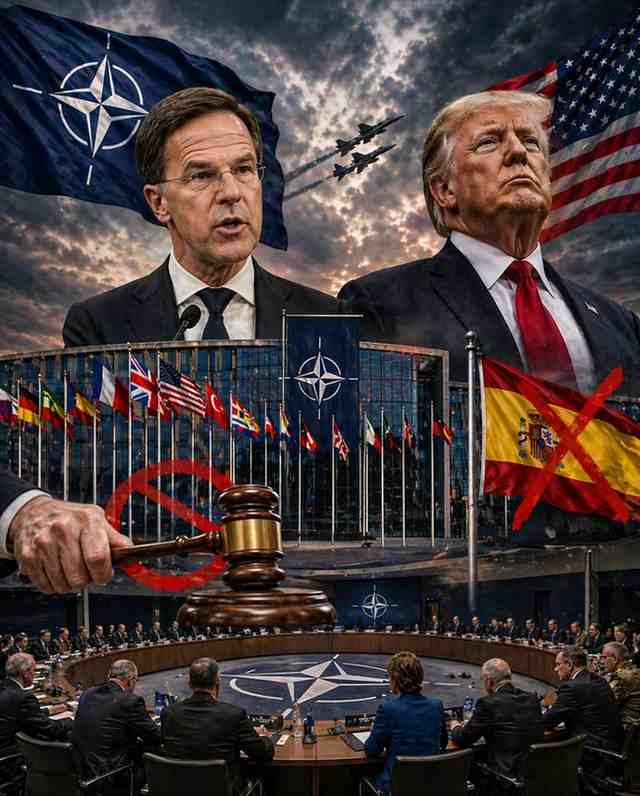
The NATO has said there is “no provision” in its rules to expel member states, following reports that the United States could seek to suspend Spain from the alliance. The clarification comes amid rising tensions within the bloc. The development matters internationally as it raises questions about unity and governance within NATO.
Background and Context
NATO is a military alliance made up of member countries from North America and Europe, founded on the principle of collective defence.
Decisions within NATO are typically made by consensus, and the alliance’s founding treaty does not include a formal mechanism for expelling members.
While disputes between members are not uncommon, they are usually managed through diplomatic channels rather than formal disciplinary actions.
Reports suggesting potential suspension of a member state are rare and can raise concerns about cohesion within the alliance.
Spain has been a NATO member since 1982 and plays a role in various alliance operations and missions.
Latest Developments
NATO officials stated that there is no formal provision to expel or suspend a member country under the alliance’s existing framework.
The statement came after reports that the United States might consider action against Spain over unspecified disagreements.
Officials emphasized that NATO operates through cooperation and dialogue, and internal disputes are handled through diplomatic engagement.
No formal proposal to suspend Spain has been confirmed, and discussions remain at an early or speculative stage.
Why This Matters
The issue highlights the importance of unity within NATO, especially during a period of global security challenges.
Any suggestion of suspending a member could create uncertainty and weaken confidence in the alliance.
The clarification from NATO reassures members that the alliance’s structure is designed to maintain cohesion rather than enforce punitive measures.
For global security, stability within NATO is critical, as the alliance plays a central role in defence cooperation and strategic planning.
What Happens Next
Member states are likely to continue discussions through diplomatic channels to address any disagreements.
NATO leadership may work to reinforce unity and avoid public disputes that could impact the alliance’s image.
The situation will be closely monitored for any further developments or official statements from member countries.
Conclusion
NATO’s statement that there is “no provision” to expel members underscores the alliance’s commitment to maintaining unity despite internal disagreements.
As reports about potential tensions circulate, the focus will remain on dialogue and cooperation to preserve stability within the organization.