

Opening Summary
Canadian Prime Minister Mark Carney says his government will wait for a parliamentary committee report before making a final decision on expanding Medical Assistance in Dying (MAID) to include mental illness as a sole underlying condition. The issue has sparked national debate among lawmakers, medical professionals, and advocacy groups. The decision matters across Canada as it could shape the future of healthcare and end-of-life legislation.
Background and Context
Medical Assistance in Dying was legalized in Canada in 2016 and has since expanded to include more eligibility categories under federal law.
The planned expansion to include individuals suffering solely from mental illness has been one of the most debated healthcare and ethical issues in recent years.
Supporters argue that mental illness can cause unbearable suffering and patients should have equal rights under the law. Critics, however, have raised concerns about diagnosis complexity, recovery possibilities, and protections for vulnerable individuals.
Parliamentary committees and healthcare experts have been reviewing whether the healthcare system is prepared for such an expansion.
Latest Developments
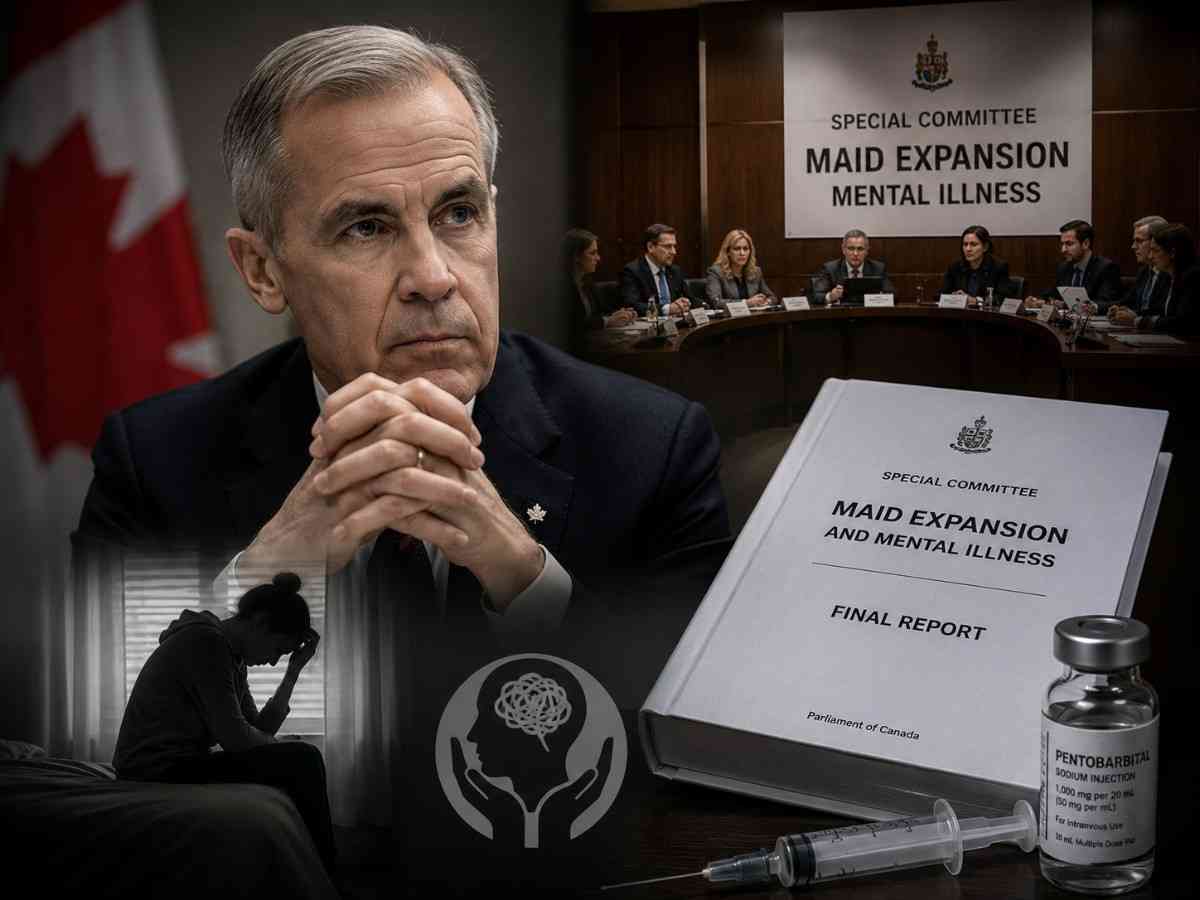
Prime Minister Mark Carney confirmed that the government will not make an immediate decision and will instead wait for the final recommendations of a parliamentary committee studying the issue.
Carney said the matter requires careful review and that the government wants to ensure all medical, legal, and ethical concerns are fully addressed before moving forward.
Committee members are currently hearing from psychiatrists, legal experts, disability advocates, and families affected by mental illness.
The report is expected to play a key role in determining whether the expansion moves ahead, is delayed further, or is revised.
Why This Matters
The decision could significantly impact Canada’s healthcare and legal system.
Expanding MAID to mental illness would place Canada among a small number of countries with such legislation.
The issue also raises broader questions about mental health treatment, patient rights, and safeguards for vulnerable people.
For healthcare professionals, the decision could affect medical practice, training, and ethical responsibilities.
What Happens Next
The parliamentary committee is expected to complete its review and submit recommendations to the government.
After reviewing the report, the federal government will decide whether to proceed with expansion, delay implementation, or amend existing legislation.
The debate is likely to continue among lawmakers, medical experts, and the public.
Conclusion
Prime Minister Mark Carney’s decision to wait for expert recommendations before ruling on MAID expansion reflects the sensitivity and complexity of the issue.
As Canada awaits the committee’s findings, the final decision could have lasting implications for healthcare policy, patient rights, and mental health treatment nationwide.