

Tehran and Muscat Advance Discussions on Maritime Traffic Management Amid Regional Tensions
Summary
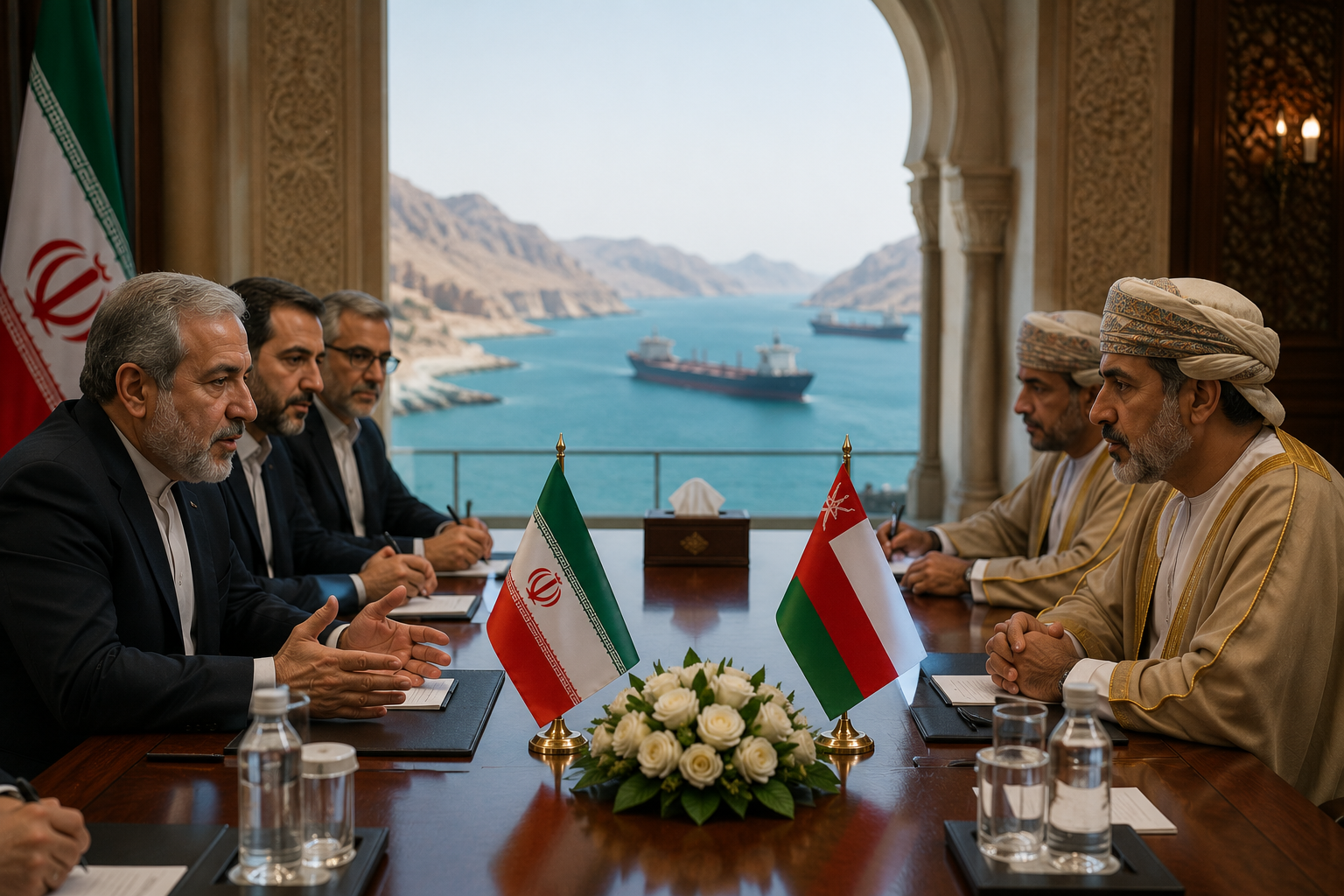
Iran has announced that it has made progress in negotiations with Oman over the management of shipping traffic through the Strait of Hormuz, one of the world’s most strategically important waterways. Iranian officials described the recent discussions as “fruitful,” saying both sides had moved closer to a framework for improving maritime navigation and safety, although no final agreement has yet been reached. The talks come as tensions in the Gulf remain high following recent military confrontations and disruptions to commercial shipping.
Constructive Talks Between Iran and Oman
Iran’s Foreign Ministry said senior officials from Iran and Oman held political and technical discussions focused on managing vessel movements through the Strait of Hormuz. According to Tehran, the negotiations explored ways to improve coordination between the two neighboring countries, which both share coastlines along the strategic waterway.
Officials described the discussions as positive and confirmed that additional rounds of talks would continue in the coming days to resolve outstanding issues and finalize operational arrangements.
Strait of Hormuz Remains Strategically Vital
The Strait of Hormuz is one of the world’s busiest maritime routes, carrying a significant share of global crude oil and liquefied natural gas exports. Any disruption to shipping through the narrow passage can quickly affect international energy markets and global trade.
Recent military tensions involving Iran, the United States, and regional allies have raised concerns about the safety of commercial vessels transiting the Gulf. Shipping companies have increased security measures while insurers continue to monitor the evolving situation.
Oman Continues Mediation Role
Oman has long served as a neutral mediator in regional disputes and has played an active role in facilitating dialogue between Iran and Western countries. During the latest negotiations, Omani officials reportedly presented proposals aimed at improving navigation procedures, maritime coordination, and search-and-rescue cooperation within the Strait.
Diplomatic sources say Muscat hopes the discussions will reduce tensions, restore confidence among international shipping companies, and lower the risk of further incidents in the Gulf.
No Immediate Changes to Shipping Rules
Despite reporting progress, Iranian officials emphasized that existing navigation arrangements remain unchanged for now. Authorities said further technical consultations are required before any new procedures are introduced.
Commercial vessels continue to operate under current regulations while regional governments closely monitor the security situation. Analysts believe any formal agreement could help stabilize shipping operations and reduce uncertainty in global energy markets.
Conclusion
Iran’s announcement of progress in talks with Oman marks a potentially positive step toward improving maritime management in the Strait of Hormuz during a period of heightened regional tensions. While no final agreement has been reached, continued negotiations reflect a shared interest in maintaining safe navigation through one of the world’s most important energy corridors. As diplomatic efforts continue, the outcome of the talks could play a key role in supporting regional stability and protecting global trade.