

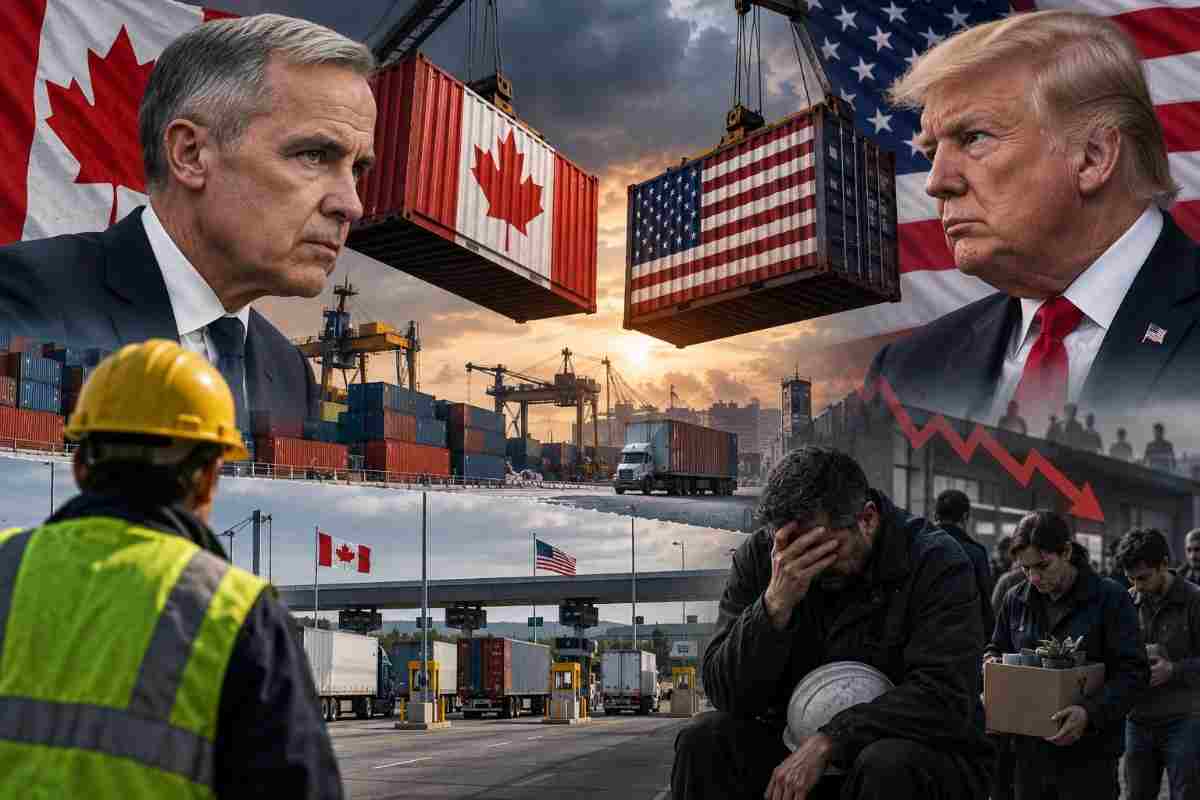
Ottawa Imposes Duties of Up to 50% on Billions of Dollars in American Imports as Trade Tensions With Washington Escalate
Summary
Canada’s latest retaliatory tariffs on U.S. goods officially took effect on September 8, 2026, marking another major escalation in the trade dispute between the two neighbouring countries.
The new measures impose tariffs of 15%, 25% and 50% on selected U.S.-origin products, covering about C$27.6 billion in imports. The tariffs target hundreds of product categories, including steel, dairy products, appliances, agricultural equipment, pulp and paper and electronics.
Canada Matches U.S. Tariffs
Ottawa introduced the new counter-tariffs after Washington imposed a 50% tariff on C$27.6 billion worth of Canadian goods.
Canada’s government said its response was designed to match the U.S. measures on a dollar-for-dollar basis. The new duties came into force at 12:01 a.m. on September 8.
The move follows the breakdown of Canada-U.S. trade negotiations and signals that neither side has yet found a way to resolve the dispute.
Hundreds of U.S. Products Affected
The Canadian measures cover a wide range of American products.
Industries affected include steel, dairy, household appliances, agricultural machinery, pulp and paper, electronics and other manufactured goods. Depending on the product, importers face tariffs ranging from 15% to 50%.
The tariffs apply specifically to qualifying U.S.-origin goods under Canada’s country-of-origin rules.
Businesses Brace for Higher Costs
The new tariffs are expected to increase costs for Canadian companies that rely on affected American imports.
Businesses may have to absorb some of the additional costs, switch to Canadian or other international suppliers, or pass higher prices on to consumers.
The impact will vary significantly by industry, depending on how easily companies can find alternative sources.
Trade Talks Remain Stalled
The latest tariffs come after trade negotiations between Ottawa and Washington broke down.
The two countries have been engaged in an extended dispute over tariffs, market access and broader trade policies. The continuing standoff has created uncertainty for manufacturers, farmers, retailers and companies operating across the Canada-U.S. border.
There are currently no signs of an immediate breakthrough, although Canadian officials have continued to emphasize the importance of dialogue.
Risk of Wider Economic Impact
Canada and the United States have deeply integrated economies, with major supply chains crossing the border multiple times during the production of goods.
That means tariffs imposed by either country can have consequences beyond the businesses directly targeted. Higher costs can spread through manufacturing networks and eventually affect investment, employment and consumer prices.
Analysts are particularly watching industries such as manufacturing, agriculture and automotive production.
Ottawa Defends Its Response
Canadian officials have argued that the counter-tariffs are necessary to defend Canadian economic interests and respond to U.S. trade measures.
Prime Minister Mark Carney has also emphasized the need for Canada to strengthen its economy and reduce excessive dependence on the U.S. market while continuing to pursue negotiations.
The government has been encouraging Canadian businesses to explore new international markets as the trade dispute continues.
Washington Could Respond Further
The latest Canadian tariffs also create the possibility of another response from Washington.
U.S. President Donald Trump has repeatedly criticized Canada’s trade policies and has threatened additional tariffs during the dispute. Any new U.S. measures could trigger another round of Canadian retaliation.
Such an escalation would put additional pressure on businesses on both sides of the border.
Conclusion
Canada’s new retaliatory tariffs mark a significant new stage in the country’s trade confrontation with the United States.
With duties of 15%, 25% and 50% now applying to billions of dollars of American goods, Canadian businesses and consumers are likely to feel the effects as the dispute continues.
The two countries remain economically dependent on each other, making a prolonged tariff war costly for both sides. Whether Ottawa and Washington can return to negotiations and prevent further escalation will be closely watched in the weeks ahead.