

Opening Summary
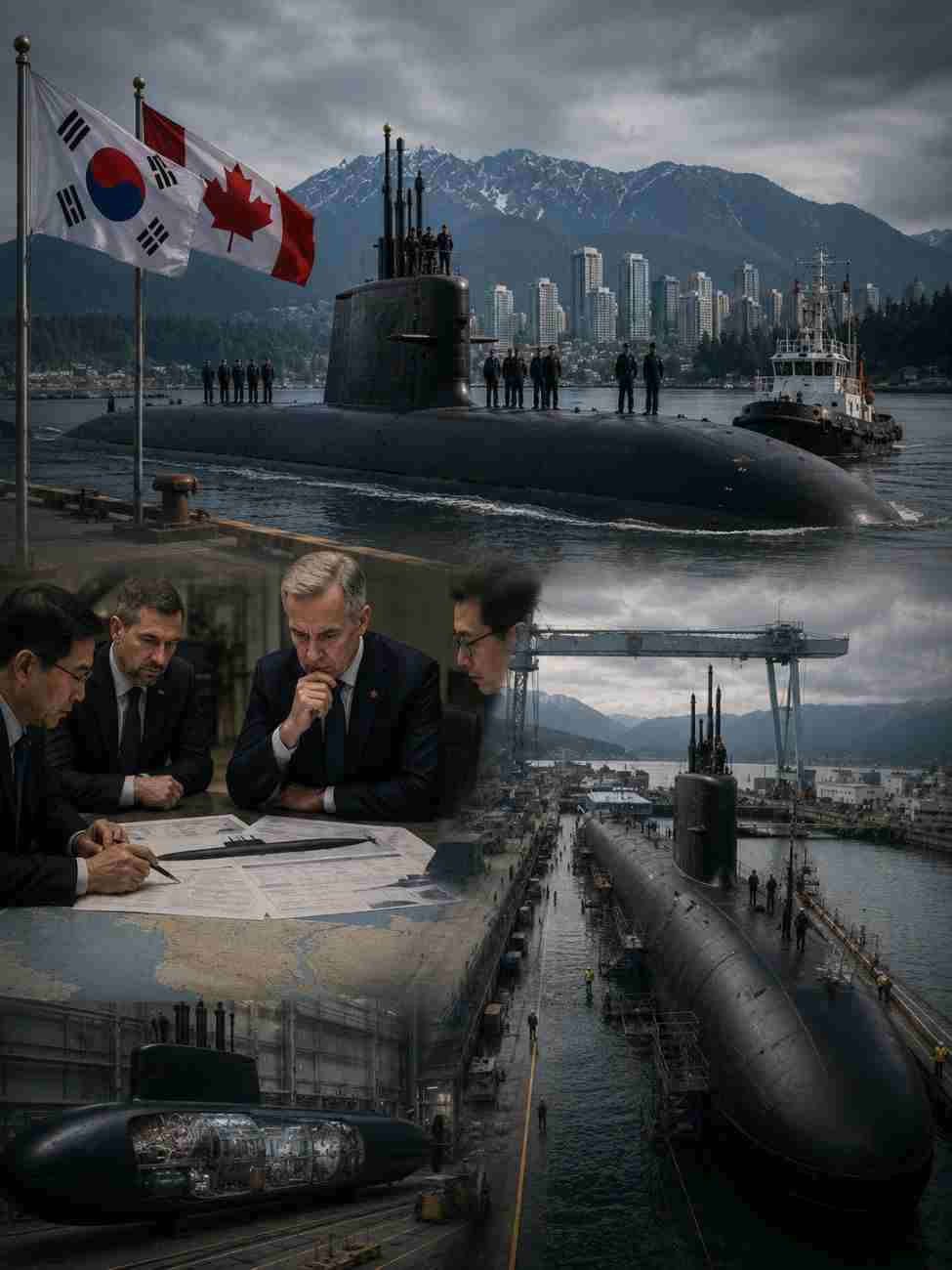
A South Korean submarine has arrived in British Columbia as Canada moves closer to making a major procurement decision on its future submarine fleet. The visit comes amid growing discussions about modernizing Canada’s naval capabilities and strengthening Indo-Pacific defence partnerships. The development matters nationally as it could shape Canada’s military strategy and defence spending for decades.
Background and Context
Canada has been exploring options to replace or modernize its aging submarine fleet as part of broader efforts to strengthen national defence and Arctic security.
Several countries and defence manufacturers have been competing to position their submarine technology as a possible option for Canada.
South Korea has emerged as a serious contender in global naval exports due to advances in submarine technology and growing defence cooperation with Western allies.
Canada’s increased focus on the Indo-Pacific region has also led to closer military and diplomatic engagement with Asian partners.
Latest Developments
A South Korean submarine arrived in British Columbia during a period of heightened attention on Canada’s future submarine procurement plans.
The visit is being viewed as both a diplomatic and strategic demonstration of South Korea’s naval technology and defence partnership potential.
Canadian defence officials are currently evaluating long-term submarine replacement options as part of broader military modernization efforts.
The arrival also comes amid increased focus on Arctic sovereignty, Indo-Pacific security, and strengthening naval readiness.
Why This Matters
Canada’s submarine procurement decision could become one of the country’s largest and most significant defence investments in years.
Modern submarines would strengthen Canada’s surveillance, defence, and maritime capabilities, particularly in the Arctic and Pacific regions.
The decision may also influence Canada’s strategic partnerships and defence cooperation in the Indo-Pacific.
For taxpayers and policymakers, the issue involves major financial, security, and geopolitical considerations.
What Happens Next
Canadian officials are expected to continue evaluating submarine proposals and defence requirements before making a final procurement decision.
Additional international demonstrations, defence discussions, or partnership announcements may follow.
The federal government could provide further details on timelines, costs, and strategic priorities in the coming months.
Conclusion
The arrival of a South Korean submarine in British Columbia highlights the growing international competition surrounding Canada’s future naval modernization plans.
As Ottawa moves closer to a procurement decision, the outcome could significantly shape Canada’s military capabilities and strategic direction for years to come.