

Opening Summary
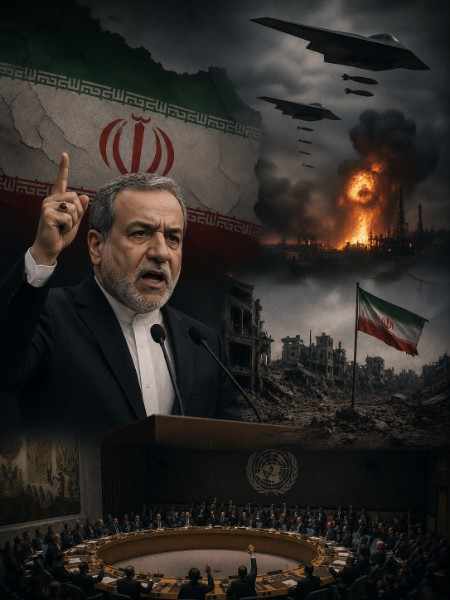
Iran has strongly condemned recent U.S. military strikes, calling them a “gross violation” of the fragile ceasefire currently in place. The accusations come amid renewed tensions around the Strait of Hormuz and ongoing diplomatic negotiations. The development matters globally as fears grow that the ceasefire could collapse and trigger another escalation in the region.
Background and Context
The ceasefire between Iran and the United States was introduced after weeks of military conflict that disrupted shipping routes, raised oil prices, and increased instability across the Middle East.
A major focus of negotiations has been restoring safe passage through the Strait of Hormuz, one of the world’s most important oil transit routes.
Despite ongoing diplomatic talks, both sides have repeatedly accused each other of violating ceasefire terms through military operations, maritime actions, and regional deployments.
The United States has argued that recent military actions were defensive measures aimed at protecting shipping lanes and regional security.
Latest Developments
Iran’s Foreign Ministry accused the United States of carrying out strikes in southern Iran and near maritime zones despite the ceasefire agreement.
Iranian officials described the attacks as a “gross violation” and warned that continued military pressure could undermine diplomatic efforts completely.
The U.S. military said the strikes targeted missile launch sites and boats allegedly involved in laying naval mines near the Strait of Hormuz.
Iran also claimed that its forces responded by increasing air defence operations and confronting foreign military activity in the region.
Why This Matters
The latest confrontation highlights how unstable the current ceasefire remains.
Any further escalation could threaten global oil supplies, increase fuel prices, and disrupt international shipping.
The accusations also place additional pressure on ongoing negotiations aimed at reaching a broader peace agreement.
For countries dependent on Gulf energy supplies, continued instability in the Strait of Hormuz remains a major concern.
What Happens Next
Diplomatic mediators are expected to continue urgent talks in an attempt to preserve the ceasefire.
The United States and Iran may exchange further warnings or conditions while negotiations continue.
Global markets and governments will closely monitor whether the situation stabilizes or moves toward renewed conflict.
Conclusion
Iran’s accusation that the United States committed a “gross violation” of the ceasefire marks another dangerous moment in the ongoing crisis.
With tensions rising again around the Strait of Hormuz, the future of both the ceasefire and broader peace negotiations remains uncertain.