

New Health Report Says Smoke From Wildfires Is Increasing Respiratory Illnesses and Medication Use Across British Columbia
Summary
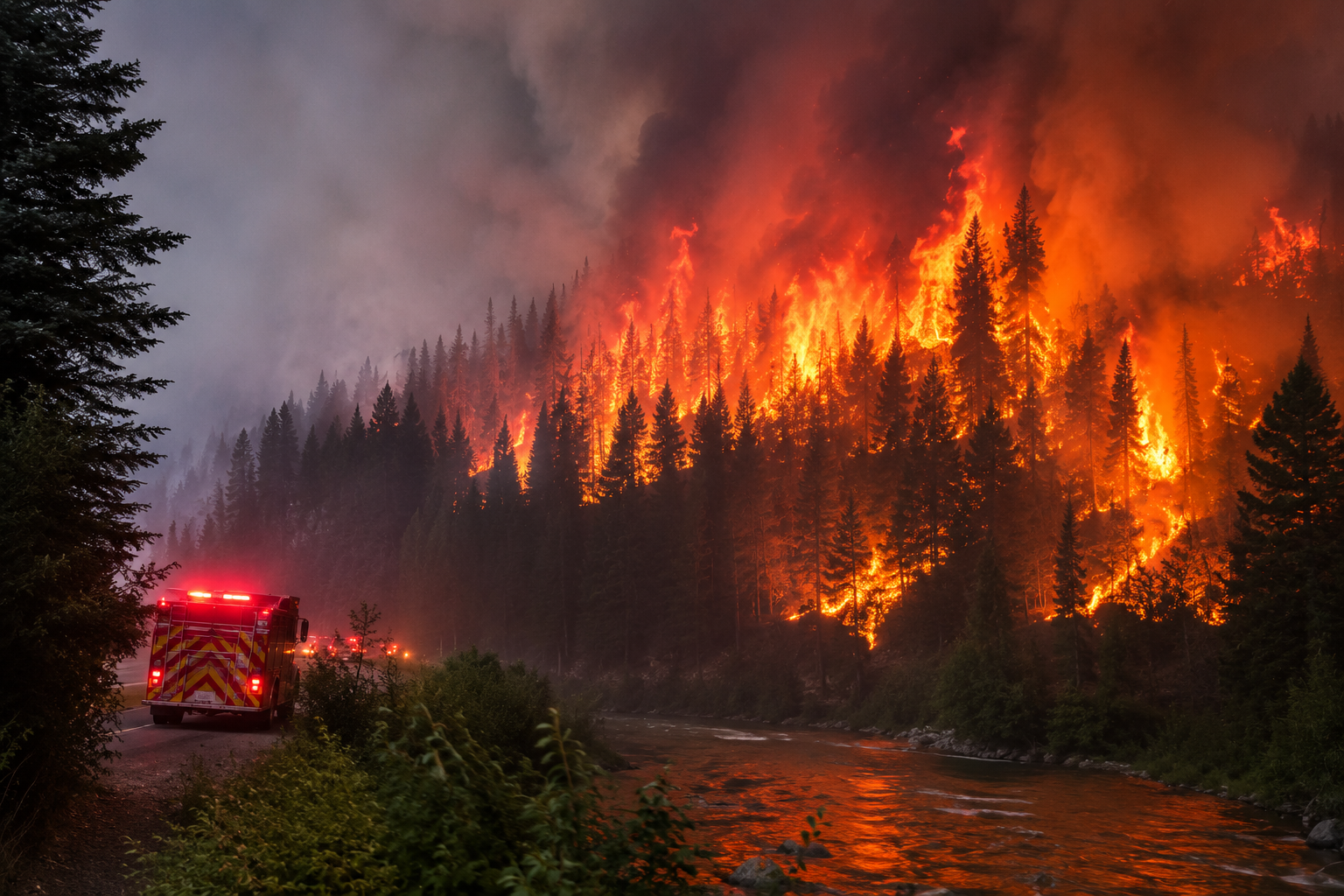
A new report has found that air quality across British Columbia is deteriorating as increasingly severe wildfire seasons expose residents to higher levels of harmful smoke. Health experts warn that prolonged exposure to wildfire smoke is contributing to more emergency room visits, hospitalizations, and greater use of medications for respiratory and cardiovascular conditions.
Doctors say the growing frequency and intensity of wildfires are turning poor air quality into a recurring public health challenge, particularly for children, older adults, pregnant women, and people living with asthma, chronic lung disease, or heart conditions.
Wildfire Smoke Continues to Impact Public Health
The findings are outlined in the 2026 State of the Air Report released by the BC Lung Foundation. According to the report, wildfire smoke, extreme heat, and indoor air pollution are becoming increasingly significant threats to the health of British Columbians as climate conditions continue to change.
Researchers noted that wildfire smoke contains fine particulate matter (PM2.5) capable of penetrating deep into the lungs and bloodstream, increasing the risk of respiratory and cardiovascular illnesses even after short periods of exposure.
Hospital Visits and Medication Use on the Rise
Health professionals involved in the report say worsening air quality is leading to more emergency department visits and hospital admissions for asthma, chronic obstructive pulmonary disease (COPD), and other breathing-related illnesses.
Doctors also reported increased use of rescue inhalers and other respiratory medications during periods of heavy wildfire smoke, highlighting the growing burden on both patients and the healthcare system.
Vulnerable Groups Face Greater Health Risks
Medical experts caution that wildfire smoke poses the greatest risk to vulnerable populations, including young children, seniors, pregnant women, and individuals with pre-existing heart or lung conditions.
Even healthy individuals may experience symptoms such as coughing, sore throat, eye irritation, headaches, and reduced lung function when exposed to smoky conditions for extended periods. Experts advise limiting outdoor activities, using air filtration where possible, and closely monitoring local air quality advisories during wildfire events.
Report Calls for Long-Term Public Health Measures
The report urges governments and health authorities to strengthen public health preparedness as wildfire seasons become longer and more intense. Recommendations include expanding access to clean-air shelters, improving public awareness, and investing in strategies that reduce smoke exposure for vulnerable communities.
Researchers emphasized that protecting public health will require coordinated action as climate-related air quality challenges become more common across the province.
Conclusion
The latest report highlights the growing health consequences of worsening air quality in British Columbia as wildfire smoke becomes an increasingly frequent part of summer life. With hospital visits and medication use rising alongside smoke exposure, health experts are calling for stronger public health measures and greater awareness to help Canadians protect themselves from the long-term effects of wildfire-related air pollution.